
Migraines increase the risk of asthma, and asthma is also associated with an elevated risk of migraine, according to new research.
Migraines increase the risk of asthma, and asthma is also associated with an elevated risk of migraine, according to new research.

Dopamine receptor D3 (DRD3) signaling regulates the dynamic of the acquisition of pro-inflammatory and anti-inflammatory features by astrocytes and microglia, favoring microglial activation and promoting neuroinflammation—the pathogenic process leading to neurodegeneration in many disorders, including Parkinson disease, according to a recent study.

In PwC Health Research Institute’s report, “Top health industry issues of 2020: Will digital start to show an ROI?” researchers highlighted the forces that will most powerfully affect the health industry in 2020, with a chief focus on the concern emerging from revisions to overseas tax provisions.

Hereditary transthyretin amyloid cardiomyopathy, which is caused by a genetic variant significantly associated with heart failure in individuals of African descent, is underdiagnosed, according to a new study published in JAMA.
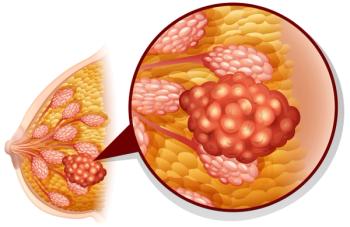
There was a 37% increase in childhood cancer survival between 1975 and 2010. With more children receiving chemotherapy and radiation to treat their diseases, leading to more survivors, awareness has grown of the belated effects of those treatments once patients reach adulthood.

The HHS’ Office of the Inspector General (OIG) released a report that says Medicare Advantage (MA) plans received an estimated $6.7 billion in 2017 after adding diagnoses to patients' files that were not supported by their medical records; more Americans are dying at home rather than in hospitals or nursing homes; the FDA warned Alkermes, maker of Vivitrol, a long-acting antiaddiction medication, that its printed advertisement does not include the risk of an increased chance of a “potentially fatal” opioid overdose as the effects wear off.

A second study, slated for next year, will continue these infants on antiretroviral treatment with 2 experimental monoclonal antibodies, hoping the medications produce viral suppression—and testing the effects of temporarily stopping them—so that they don’t have to eventually initiate the standard triplet therapy that most older patients typically take. For adults, most treatments for HIV come from the cancer field, and are inflammatory, and are not safe enough to apply in children. An ongoing debate is when is it appropriate to begin these therapies in children.

CMS Administrator Seema Verma and HHS Secretary Alex Azar told to work out their differences; the debate continues on whether health insurance coverage affects mortality rates; Facebook is accused of misleading the public about the benefits of pre-exposure prophylaxis (PrEP).

A recent study published in The New England Journal of Medicine says that women with dense breast tissue who undergo supplemental magnetic resonance imaging (MRI) tests have lower rates of interval cancers than those who receive only mammography tests, although they also had higher rates of false positive tests.

Two migraine prevention agents, cinnarizine and sodium valproate, were shown to be safe and effective in reducing incidence and severity of migraine within children and adolescents, according to study findings. Safety findings must be weighed alongside warnings from European regulators about the risks of valproate for girls and adolescent women who could bear children in the future.

The painless procedure is still in its experimental stages; however, it is inexpensive and safe, and the equipment is portable.
Sanofi is ending research efforts in diabetes and cardiovascular diseases; the White House endorsed an emerging bipartisan agreement on legislation aimed at curbing rising healthcare costs by targeting surprise medical billing; the Supreme Court will hear oral arguments in a case involving whether the federal government owes insurers $12 billion in a dispute about risk corridor payments.

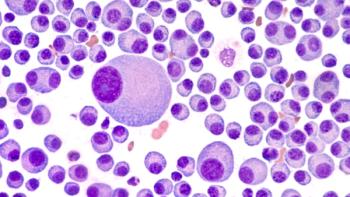
Although survival rates for multiple myeloma have improved as treatment options have increased, the disease remains incurable, and many patients stop current agents such as lenalidomide or bortezomib due to toxicity. Results of CANDOR involving a triple therapy were presented Tuesday at the 61st American Society of Hematology Annual Meeting and Exposition in Orlando, Florida.

A new report outlines US physician employment growth from 2018 to 2019, while another study looking at the shortage of doctors in rural areas says the lack of students coming from rural settings will exacerbate the shortage.
Seema Verma, the CMS administrator and one of the last original high-level appointments by President Donald Trump still with the administration, faces her first call for resignation amid reports she sought taxpayer reimbursement for stolen uninsured jewelry during a work trip.

A proposed ban on surprise medical bills has growing bipartisan support; Republicans are set to propose a drug pricing bill to compete with Democrats; vaping-related illnesses are on the decline.

The epigenetic diet is often recommended for patient with migraine; however, the diet does not necessarily affect the epigenetic profile, suggesting the need for more research investigating the combined effect of folate and valproic acid in migraine in order to determine dietary recommendations.

A recent commentary discusses the need to uncover diagnostic and prognostic biomarkers for HIV-associated neurocognitive disorder (HAND).

There are significant sex differences in links between psoriasis and metabolic disorders, according to a study published this week.

Treating venous thromboembolism (VTE) in patients can be tricky due to greater risks of major bleeding episodes and recurrent VTE.

Alexithymia—the inability of recognizing and verbalizing emotions and distinguishing them from bodily sensations—may be identifiable early on in patients with progressive supranuclear palsy with predominant parkinsonism (PSP-P) and PSP with Richardson’s syndrome (PSP-RS).

A recent study explored the role of peak oxygen pulse (O2P) in patients with chronic obstructive pulmonary disease (COPD).

Patients with mantle cell lymphoma (MCL) face a substantial economic burden and susceptibility to adverse events (AEs) in the real world, according to an abstract presented at the 61st American Society of Hematology Annual Meeting and Exposition.

Results of the study indicated that irregular schedules, increased night shifts, sleep disturbances, and work hours were related to a higher burnout risk in police officers.

Patients waited about 2 months longer than necessary for a cancer diagnosis in the United Kingdom, according to a study published this week.
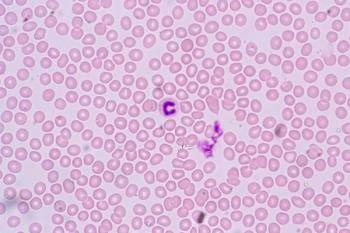
The findings show the importance of preventing bone disease in multiple myeloma (MM), the authors said.

Here are 5 things to know about genetic testing in cancer care.

A novel device that unblocks and removes secretions from the respiratory tracts of children was developed by researchers in Israel and the United States, and may prove beneficial among patients with respiratory diseases such as chronic obstructive pulmonary disease (COPD).

Coverage of our peer-reviewed research and news reporting in the healthcare and mainstream press.