
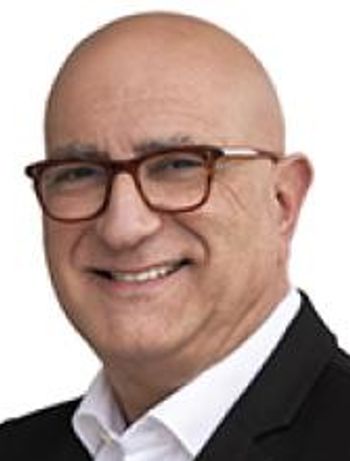
Coverage from the Irvine, California, meeting of the Institute for Value-Based Medicine, chaired by Joseph Alvarnas, MD, vice president for government affairs at City of Hope and chief clinical advisor, AccessHope.
Coverage from the Irvine, California, meeting of the Institute for Value-Based Medicine, chaired by Joseph Alvarnas, MD, vice president for government affairs at City of Hope and chief clinical advisor, AccessHope.
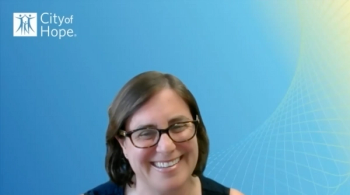
HIV antiretroviral therapy has changed and improved dramatically since it first became available, said Jana K. Dickter, MD, associate clinical professor, Division of Infectious Diseases, City of Hope.
Leaders from City of Hope National Medical Center discussed how the cancer research and treatment center addressed challenges with attracting and retaining oncology pharmacists through a restructuring during the ACCC 39th National Oncology Conference.

Leana Cabrera Chien, MSN, RN, GCNS-BC, GNP-BC, is a geriatric nurse practitioner at City of Hope, working in its Aging Wellness Clinic.
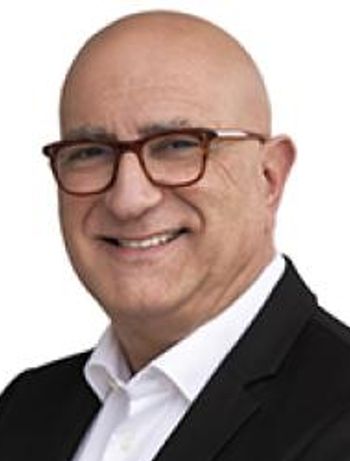
City of Hope has announced that a patient living with HIV, who received a stem cell transplant from an unrelated donor to treat acute myelogenous leukemia, has been in remission from both diseases since 2019.
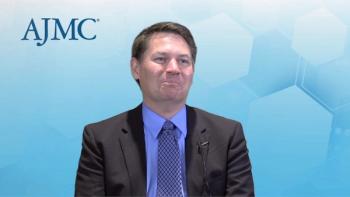
Joel W. Neal, MD, PhD, associate professor, Division of Oncology, Stanford Cancer Institute, is lead investigator on the COSMIC-021 trial, which is investigating cabozantinib plus atezolizumab vs cabozantinib alone in patients with advanced non–small cell lung cancer (NSCLC) as a possible second-line treatment beyond chemotherapy.
Results presented at the American Society of Clinical Oncology Annual Meeting showed a 21.4-month advantage for autologous stem cell transplant (ASCT) over a common triplet therapy in progression-free survival (PFS) but no advantage in overall survival (OS).
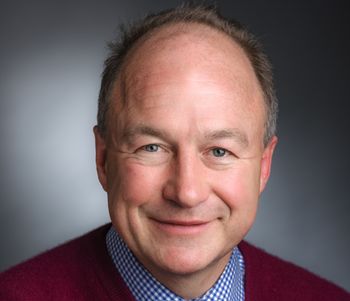
Yuman Fong, MD, received the 2022 Flance-Karl Award from the American Surgical Association (ASA), and Leslie Bernstein, PhD, received the Margaret L. Kripke Legend Award for Promotion of Women in Cancer Medicine and Cancer Science.
From the editor-in-chief of Evidence-Based Oncology.
The fight to improve cancer care includes aspects of both equity and quality. Over the past decade, health insurance coverage has been expanded to millions of previously uninsured Americans, but there is evidence that not every patient has the same access or the same quality of care.
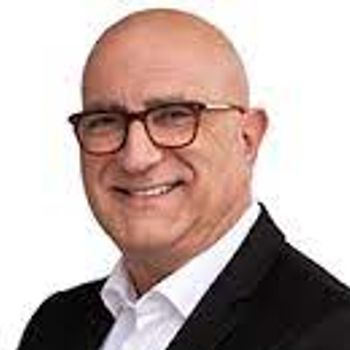
Joseph Alvarnas, MD, vice president of government affairs at City of Hope and chief clinical adviser of AccessHope in Duarte, California, spoke March 4 at the closing session of the Association for Community Cancer Centers (ACCC) Annual Meeting & Cancer Business Summit in Washington, DC.
Many oncologists oppose white bagging because they prefer to be able to adjust doses during a visit based on lab reports taken that day.

A session on industry reconfiguration covered differed business models for oncology, including payer acquisition of networks and collaboration with academic centers and primary care.
The president’s aim is a 50% reduction in age-adjusted cancer deaths by 2047. This goal seems audacious, but it is likely achievable.
AccessHope is a program that allows patients and community oncologists to tap into the expertise of City of Hope, often through electronic sharing of records so the patient does not have to travel.
In preclinical studies, HDAC inhibitors have been shown to have immunomodulatory effects— including enhancing antigen presentation, recruiting T cells into tumors, and promoting T-cell function—when combined with PD-1 inhibitors.
Physicians said it is in payers’ interest to use artificial intelligence to address social determinants of health, to cover tests, and to gather data. Doing so could let them stratify who needs certain screenings and diagnostic procedures and who doesn’t, which could lead to less consumption of health care.
The discussion, "Remote Patient Monitoring: Case Studies From the Front Lines,” explored real-world experiences with technology that has taken on greater heft as the COVID-19 pandemic continues to affect health care delivery.
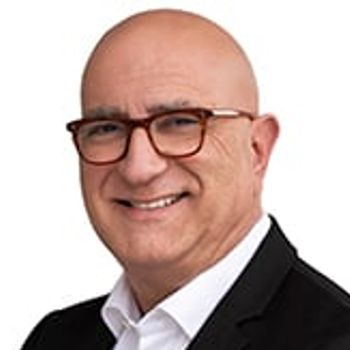
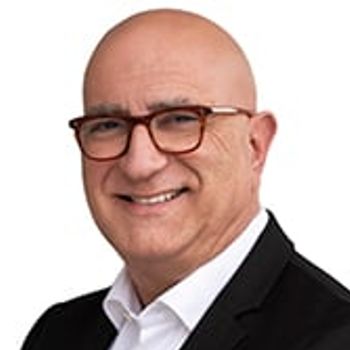
Joseph Alvarnas, MD, a co-chair of Patient-Centered Oncology Care® (PCOC), discussed the unique nature of PCOC and what it offers for providers, payers, policy leaders, and technology experts who take part. Alvarnas is vice president, Government Affairs; senior medical director, employer strategy, and clinical professor, Department of Hematology and Hematopoietic Cell Transplantation, City of Hope.
L. Elizabeth Budde, MD, PhD, oncologist and associate professor at City of Hope, discusses the use of mosunetuzumab in patients with relapsed/refractory follicular lymphoma (R/R FL) who have received 2 or more prior lines of therapy and addresses potential cost-related implications of the drug compared with CAR T-cell therapy.

Pfizer predicts that a fourth dose of a COVID-19 vaccine may be needed to quell the Omicron variant; CMS officials share figures on enrollment for health coverage under the Affordable Care Act (ACA); City of Hope announces acquisition of Cancer Treatment Centers of America.

Tingting Tan, MD, PhD, a medical oncologist and lung cancer specialist at City of Hope, is an expert in molecular signaling pathways in tumor development and the mechanisms of chemotherapy resistance. She discussed how the treatment landscape in small cell lung cancer has shifted in the past 5 years, offering much more hope for patients.
Physician and health policy advocates praised the emphasis on streamlining models and ending silos, but practices that invested in the Oncology Care Model (OCM) await key details.
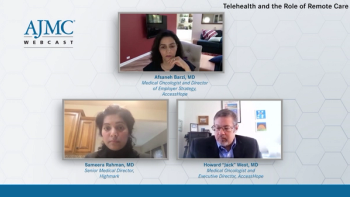
In part 7 of the Oncology Value Coalition webinar, experts from City of Hope and Highmark discussed telehealth and the role of remote care.
In part 6 of the Oncology Value Coalition webinar, experts from City of Hope and Highmark discussed examples of game-changing therapy in cancer care.
In part 5 of the Oncology Value Coalition webinar, experts from City of Hope and Highmark discussed why AccessHope offers an option to payers and oncologists.
In part 4 of the Oncology Value Coalition webinar, experts from City of Hope and Highmark discussed how the therapeutic pipeline has changed.