
Rose Gerber, MS, explains how listening, personal experience, and small steps can transform patients into powerful advocates for their own care.
Rose Gerber, MS, explains how listening, personal experience, and small steps can transform patients into powerful advocates for their own care.
Lekan Ajayi, PharmD, explains how remote therapy monitoring keeps patients with cancer on track with their care and reduces emergency visits.
New research incorporating Flatiron Health and SEER data, confirms community oncology care matches or beats other settings, says Diana Verrilli, MS, Navista.
Community oncology delivers top-tier cancer care close to home, said Nicolas Ferreyros, COA, championing research, advocacy, and innovation to prove it.
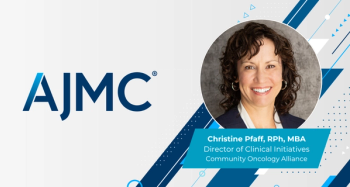
COA’s Christine Pfaff, RPh, MBA, highlights clinical and operational innovation, AI adoption, and practice-sharing as keys to advancing community oncology care.
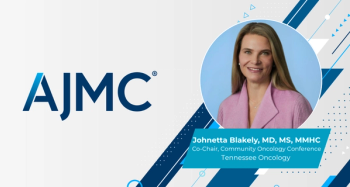
COA's annual conference hits Orlando April 28, focusing on AI, targeted therapy innovation, and state-level oncology advocacy, explains cochair Johnetta Blakely, MD, MS, MMHC.
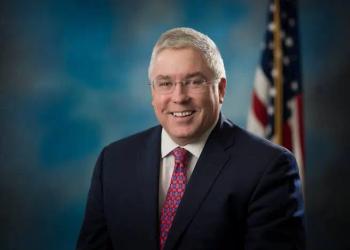
The law stems from the case of a beneficiary of the state workers health plan, repeatedly denied an alternative cancer treatment, only to be approved after he was too ill to be a candidate.

Experts examine MFN pricing, the Great Healthcare Plan, ACA subsidies, PBM reform, and CMS talks in 2026.

Multiple provisions of interest to patients with cancer and their physicians were included in Congress' fiscal year 2026 package, including future funding for multicancer early detection testing and a package of reforms for pharmacy benefit managers.
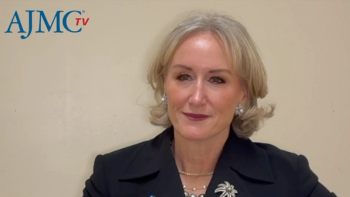
Alongside physician collaboration, patient advocacy is essential to ensure clinical trials and public policy reflect patient-centered outcomes.
Patient–physician collaboration ensures trials reflect outcomes that matter to patients, according to Debra Patt, MD, PhD, MBA, MPH.
The 2025 Community Oncology Conference, hosted by COA, reflected a commitment to patient-centered care, access, and innovation in community oncology.
The San Antonio Breast Cancer Symposium fosters collaboration among experts, enhancing research and treatment strategies for breast cancer's complex landscape.

Oncology leaders warn that declining reimbursements and policy gaps threaten patient access and drive inequities in cancer care.
Debra Patt, MD, PhD, MBA, MPH, spoke at SABCS about the importance of patient-investigator collaboration to enhance the clinical trial process.

A study finds that community oncology practices limit financial toxicity for patients with cancer, offering significant cost savings compared with hospital outpatient settings.

Remote patient monitoring enhances cancer care by improving outcomes and reducing emergency visits, despite challenges in reimbursement and technology access.
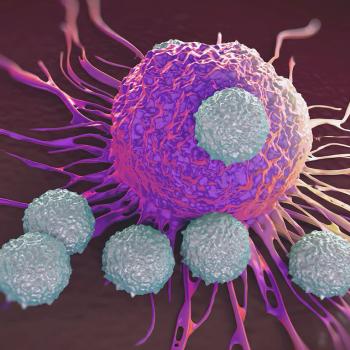
The FDA's removal of REMS for CAR T-cell therapies enhances access for community oncology, paving the way for innovative treatments and improved patient outcomes.
Panelists at the Community Oncology Alliance Payer Exchange Summit discuss the urgent need for innovative reimbursement models in cancer care to match advancements in biomedical technology and drug discovery.
Proposed changes to the Physician Fee Schedule aim to support community oncology, but the Inflation Reduction Act threatens financial stability for practices.

Christine Pfaff, MBA, RPh, joins COA as director of clinical initiatives, enhancing support for community oncology practices and pharmacy operations amid health care challenges.
CMS proposes the 2026 Physician Fee Schedule (PFS), addressing payment disparities in oncology, but the community oncology community warns of financial threats from the Inflation Reduction Act. Updates reflect late Tuesday release of the proposed 2026 schedule for the Hospital Outpatient Prospective Payment System.
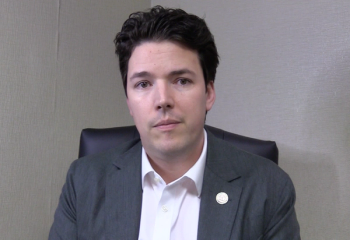
Nicolas Ferreyros, managing director, Community Oncology Alliance, discusses key components of health equity and social determinants of health that need to be addressed in cancer care.
Ted Okon, MBA, of the Community Oncology Alliance discusses how community oncology faces a revenue crisis due to the Inflation Reduction Act's impact on Medicare reimbursement, risking patient access to vital cancer treatments.

Community oncology faces significant challenges from the Inflation Reduction Act's (IRA) drug pricing changes, risking financial stability and patient access to care.
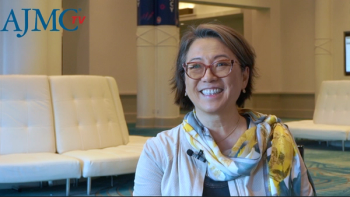
While artificial intelligence (AI) is transforming community oncology, Nini Wu, MD, of Navista, emphasizes that success depends on patient access and infrastructure.

The 2025 Community Oncology Conference empowered attendees with insights on advocacy, innovation, and practical strategies for enhancing community cancer care.
An executive order signed on Tuesday, March 15, necessitated a change in plans for this panel discussion from the 2025 Community Oncology Conference, with the assembled experts, moderated by Ted Okon, MBA, executive director of the Community Oncology Alliance, speaking to how the order would reverberate across the community oncology space.

Experts at the Community Oncology Conference discuss innovative patient navigation programs, emphasizing technology's role and the importance of human connection in cancer care.

Experts emphasize the need for enhanced clinical trial infrastructure in community oncology to ensure equitable access to innovative therapies for all patients.