




Asian and Hispanic/Latino veterans experience insomnia at some of the highest rates, but these patient groups are also among the least likely to seek treatment for the common sleep disorder.

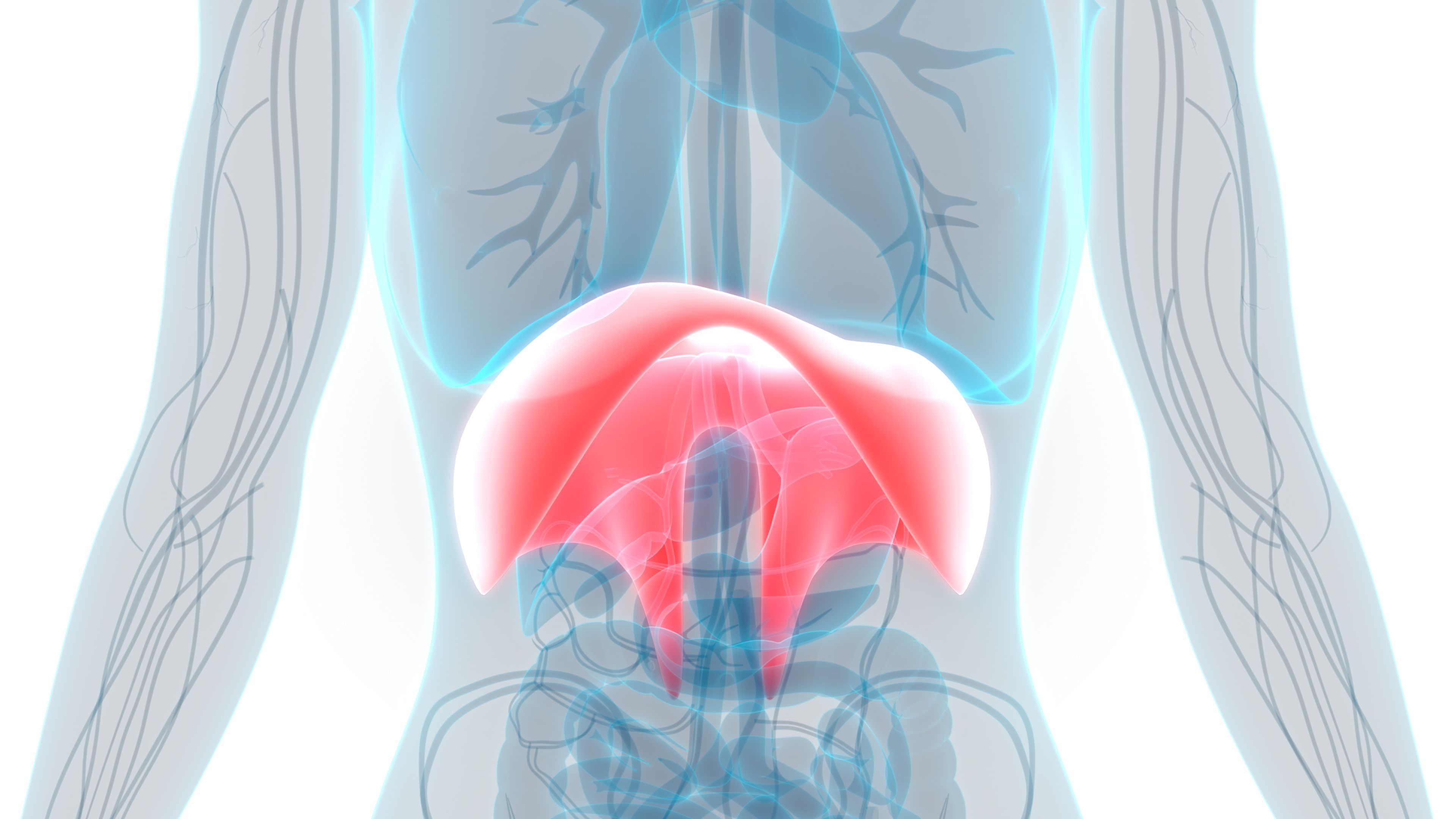
Diaphragm Ultrasound Imaging Showcases Promise for Respiratory Assessments in SMA
Asian and Hispanic/Latino veterans experience insomnia at some of the highest rates, but these patient groups are also among the least likely to seek treatment for the common sleep disorder.

Vast claims databases can yield valuable information about the unmet medical needs of patients with chronic obstructive pulmonary disease (COPD) and severe asthma, and those insights point to areas that can be improved by engaging and educating clinicians.

Clinical studies have transformed how breast cancer is prevented, identified, and treated. Successful clinical trials improve patient outcomes, so trial administrators must ensure participants receive appropriate support at trial enrollment.

Despite improvements, hospitals struggle to meet prepandemic standards in door-to-balloon time.

Lower-sodium oxybate (LXB) and sodium oxybate (SXB) were proven equally effective for cataplexy and excessive daytime sleepiness (EDS), despite LXB having 92% less sodium.

Qualitative interviews were conducted and a web-based quantitative survey was administered to have a clearer understanding of the economic impact of social determinants of health on patients living with generalized myasthenia gravis (gMG).

Amid the impacts of climate change, industrial emissions, and environmental disasters, pulmonologists and other clinicians will need to deliver actionable advice on how to reduce the risks to lung health posed by air pollution, according to panelists at the CHEST Annual Meeting 2023.

A retrospective, population-based study reveals a possible association between COVID-19 infection and autoimmune and autoinflammatory outcomes.

A minimally invasive procedure could revolutionize breast surgery; Black women experience the worst birthing outcomes; Kaiser Permanente health workers' concerns over labor disputes persist.

In the overall population of more than 1.3 million US adults, 37% of patients reported being diagnosed with T1D after 30 years, with men and racial or ethnic minorities diagnosed later compared with women and non-Hispanic White adults.

A co-expression network analysis pinpoints different gene expressions that can potentially predict rheumatoid arthritis (RA) outcomes during pregnancy.
Updated findings from a phase 1/2 trial of stem-cell derived islet cell therapy for type 1 diabetes (T1D) showed improved glycemic control and a reduction in insulin dependence.

Christine Pfaff, RPh, senior regional director of operations at American Oncology Network, discusses the role of immunotherapy and precision medicine in oncology, as well as considerations for patient safety and financial toxicity when prescribing oncology drugs.

The interrelated concepts of burnout, secondary traumatic stress, moral distress, compassion fatigue, and compassion satisfaction have been identified as having a profound impact on the quality of life of health care providers.
Researchers found that patients with relapsed/refractory (R/R) diffuse large B-cell lymphoma (DLBCL) may benefit from bridging radiation therapy (RT) ahead of receiving chimeric antigen receptor (CAR) T-cell therapy.
Among Latino men who have sex with men (MSM), access to and use of pre-exposure prophylaxis (PrEP) remain at suboptimal levels, despite this population of individuals having disproportionately high rates of diagnosed HIV in the United States.

In a cross-sectional study, insulin growth factor binding protein 2 (IFGBP-2) showed promise as a prognosis biomarker for renal disease in pediatric lupus nephritis (LN).

The October issue of Health Affairs examines the multifaceted aspects of structural racism in health care, exploring historical roots, policy implications, public biases, innovative solutions, and institutional challenges, urging action to confront and dismantle disparities.

Recent evidence suggests that neoadjuvant immunotherapy offers a unique opportunity to explore disease mechanisms and identify new biomarkers of immune checkpoint blockade response and resistance, according to the researchers.
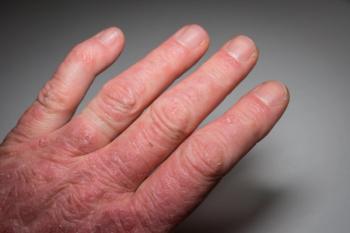
A study from UCSD highlights how advances in imaging modalities and utilization could aid in the early detection of psoriatic arthritis.

Drug maker payments to ophthalmologists were associated with the choice of higher-cost therapies for age-related macular degeneration (AMD) that could increase Medicare costs, but biosimilars could help.

Findings from the phase 2 ALYCANTE trial support axicabtagene ciloleucel as a second-line treatment for patients with relapsed/refractory (R/R) large B-cell lymphoma who are ineligible to undergo a transplant.

The dual primary end points of overall survival and progression-free survival were encouraging when patients with hormone receptor–positive (HR+), HER2-negative (HER2–) breast cancer were treated with datopotamab deruxtecan.

Family history is probably the biggest risk factor that patients need to know about, said Rebecca Brooks, MD, UC Davis Health.

Guidelines aim to help the identification of ILD in patients with rheumatic disease and aid in improving the management of patients.