





Providers
Latest News
Advertisement
Latest Videos

Shorts

0:43
Stopping the Exodus of Women Physicians: Bhavana Bhatnagar, DO
a month ago
by
Bhavana (Tina) Bhatnagar, DO(+1 more)

0:37
Oral Pill Removes Barrier to Cholesterol-Lowering Therapy: Ann Marie Navar, MD, PhD
10 months ago
by
Laura Joszt, MA(+1 more)

0:42
Even Providers Are Overwhelmed by Drug Coverage Complexity: Matthew Biszewski, PharmD
a year ago
by
Laura Joszt, MA(+1 more)
1:21
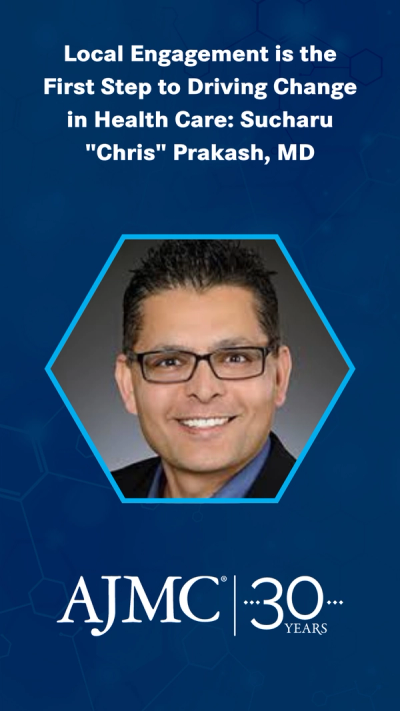
Local Engagement is the First Step to Driving Change in Health Care: Sucharu "Chris" Prakash, MD
a year ago
by
Brooke McCormick(+1 more)
Podcasts

Advertisement
More News

The action comes after an advisory panel recommended against approval, saying evidence from the did not support a “clinically meaningful benefit."
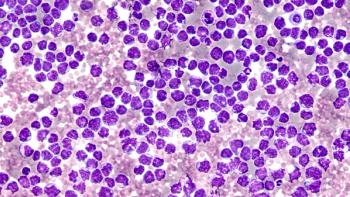
China survey reveals what R/R mantle cell lymphoma patients and doctors value after BTK failure—overall survival tops trade-offs despite CRS risk.

Nearly 1 in 3 women aged 21 to 29 and 1 in 7 aged 30 to 65 had never been screened for cervical cancer by 2023.

There are significant, and uneven, knowledge gaps among physicians treating patients with mantle cell lymphoma and chronic lymphocytic leukemia across countries and settings, a survey finds.

Orbital rhabdomyosarcoma survival held steady despite less-intensive chemo and radiation, according to 25-year data.

AI-driven platform boosts screening capacity 41%, cuts manual review by 75% across Ochsner's 47 hospitals and 370 clinics.

Clinicians at a Chicago Population Health Roundtable say atopic dermatitis biologic therapy is delayed by several key obstacles.

Roundtable reveals vitiligo care gaps: Opzelura leads, insurers still call it cosmetic, and pricey oral JAKs near approval—what’s next?

A national survey finds retina specialists tolerate higher GA treatment risks in exchange for greater lesion growth rate reduction.

DLBCL expert Lunning weighs radiation consolidation after R-CHOP and spotlights Epkinly and SKYGLO bispecific trials, plus access and infection risks.

Clinicians spotlight issues that stall pediatric atopic dermatitis escalation and biologic therapy access, despite worsening disease burden.

After CAR T-cell therapy relapse in mantle cell lymphoma, an antibody drug conjugate regimen adapted from DLBCL shows durable remission.

Matched real-world MCL data shows acalabrutinib and zanubrutinib lower atrial fibrillation vs ibrutinib, with fewer bleeding events.

How tebentafusp, a BiTE bispecific T-cell engager, changes metastatic uveal melanoma care—HLA testing, dosing, safety and access tips for clinics.

Oral zasocitinib delivered skin clearance once limited to injectable biologics in phase 3 psoriasis trials, including hard-to-treat sites.

Shahzad Mian, MD, explains dry eye disease symptoms, key risk factors, and practical management strategies like drops and warm compresses.

Navista names Jeff Hunnicutt COO, bringing in a well-known oncology leader with experience in technology and innovation at the practice level.

Clinicians say workflow changes, not education alone, are closing screening and treatment gaps in cardio-kidney-metabolic (CKM) care.

Women with PMOS had more than 4 times the adjusted ASCVD risk of matched peers, and traditional risk factors explained only about a third of the gap.

AI-guided breast screening is advancing faster than coverage policy, guidelines, and imaging capacity—raising questions about who qualifies and who pays.

GLP-1 use in adolescents and young adults with obesity rose to 96.1% as bariatric surgery fell by two-thirds, new JAMA Pediatrics data show.
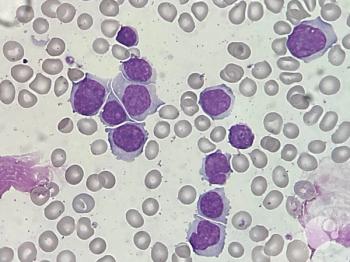
Case series suggests glofitamab bridges relapsed mantle cell lymphoma to CAR T, with strong responses and mostly low-grade CRS.

New data suggest epcoritamab plus R2 may win insurer coverage, delivering major QALY gains at approximately $68,000 and delaying costly progression.

US drug shortages rose to 227 in Q2 2026, led by a severe ifosfamide shortage.

This study examines how key players in managed care drive postacute home health referrals, identifying tensions, limited patient involvement, and barriers to care coordination.
Advertisement
Advertisement
Trending on AJMC
1
Delayed Dupilumab Raises Asthma Costs 32%: Nicola Hanania, MD
2
Regorafenib Prescribing in Advanced GIST Deviates From Guidelines
3
Which Antibiotics Raise C. Diff Risk Most? Jason Pogue, PharmD
4
A Patient-Centered Reconstruction of 340B in Oncology: Transparency, Equity, and Site-of-Care Accountability
5