






Providers
Latest News
Advertisement
Latest Videos








Podcasts

Advertisement
More News

A new meta-analysis links menopausal hormone therapy to higher breast cancer risk with estrogen-progestin therapy, while estrogen-only therapy may lower risk.

Icotrokinra is the first and only interleukin-23–targeted oral peptide approved for plaque psoriasis.

Reproductive health conditions raise child desire but lower pregnancy intentions, spotlighting infertility gaps in women’s health and urging proactive counseling and coverage reform.

GPT-4o reliably scored alopecia areata severity from scalp images, showing strong concordance with experienced dermatology providers without prior AI training.

This commentary examines pressures driving cardiology consolidation, the risks of private equity, and strategies to sustain independent practice while ensuring patient-centered, cost-effective cardiovascular care.

The results are the latest from the multiarm EPCORE-NHL-2 trial, which has studied the bispecific antibody epcoritamab in multiple uses and combinations.

Fred D. Lublin, MD, discusses evolving concepts in MS, including earlier high-efficacy therapy, unrecognized progression, and emerging outcome measures.

Risk-bearing provider organizations rely on physicians to achieve cost savings. The literature on physician-mediated interventions to reduce costs is scant and provides little guidance on effective strategies.

This study of 26,805 cardiologists shows that industry payments (averaging $3958) are linked to increased Medicare costs, with each $10,000 in payment associated with $14.1 higher beneficiary spending.

While clinicians prioritize rapid regrowth, patients with alopecia areata prioritize safety and shared decision-making.

For Patients With mCRPC, Results With Pluvicto in Real-World Settings Keep Pace With Clinical Trials
Real-world evidence shows Pluvicto matches pivotal trial benefits in PSMA-positive mCRPC, with longer PFS after an androgen receptor pathway inhibitor.
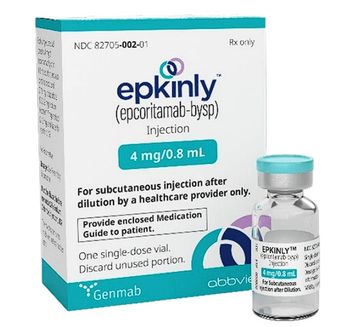
Genmab’s epcoritamab (Epkinly) streamlines bispecific antibody workflows for DLBCL and follicular lymphoma, cutting chair time, waste, and costs.

Artificial intelligence is emerging as a powerful tool for improving the diagnosis, phenotyping, and treatment of inflammatory skin diseases such as alopecia.

Machine learning–based risk prediction models, particularly gradient boosting, can accurately identify early clinical indicators of CKD.

Elevance Health's Shane Hochradel explains how the company tracks provider satisfaction and uses AI to cut administrative burden.

MASLD and type 2 diabetes are closely interconnected conditions driven by shared metabolic dysfunction that together increase the risk of liver disease progression, cardiovascular complications, and mortality.

Study links moderate to severe alopecia areata to higher atopic dermatitis risk, urging routine screening and smarter treatment choices.

Two analyses revealed significant delays and systemic barriers in the MS diagnostic journey alongside substantial clinical and economic burden in primary progressive MS.

Kavita Nair, PhD, discusses how clinicians select MS therapies, the role of cost and access, and why policy changes could threaten patient outcomes.

A global analysis found that although alopecia areata rates in young adults have modestly declined since 1990, the disease continues to disproportionately affect women and people in their early 30s.

Higher baseline monocyte counts, along with preserved basophils and low C-reactive protein, independently predict complete remission on anti-IgE therapy for CSU.

Many physicians are reluctant to test for Lp(a), in part because they are unclear how to manage patients with elevated levels.

Data suggest the benefits of zanubrutinib versus acalabrutinib in R/R chronic lymphocytic leukemia were even more pronounced in high-risk cases.

Patients with heart failure tended to have lower treatment intensity at hospital admission, but their cardiac load improved as blood pressure treatment intensified.

Experts at a roundtable in Boston, Massachusetts, on November 19, 2025, discussed multidisciplinary strategies for obesity care, including systemic and operational barriers and scalable solutions to promote patient ownership.
Advertisement
Advertisement
Trending on AJMC
1
MFN Drug Agreements Could Raise Prices Worldwide
2
FDA Clears First Alzheimer Blood Test for Adults as Young as 40
3
Newer Agents, New Advantages: Brexpiprazole, Cariprazine, and Lumateperone in MDD
4
Dosing, Tolerability, and Formulary Impact: Aripiprazole and Quetiapine XR in MDD
5