






Providers
Latest News
Advertisement
Latest Videos







Advertisement
More News

Kavita Nair, PhD, discusses integrating neurology and pharmacy services to improve MS care coordination and reduce treatment delays.
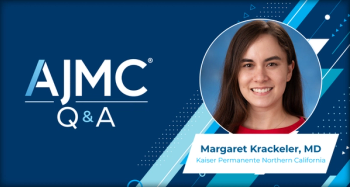
Margaret Krackeler, MD, of Kaiser Permanente Northern California, shares lessons on implementing evidence-based formulary changes for patients with CLL.

This article highlights challenges in prior authorization and offers practical, experience-based strategies to streamline workflows, reduce delays, and improve patient access to necessary treatments.

A review updates MASH diagnosis and prognosis guidelines, highlighting noninvasive scores, imaging, and emerging therapies, plus lifestyle strategies to improve outcomes.

Experts at ISC 2026 highlighted growing evidence that GLP-1 receptor agonists may reduce stroke risk and support brain health through anti-inflammatory, vascular, and neuroprotective mechanisms.

Yearly dental visits were associated with fewer secondary strokes, and hyperthyroidism was flagged as a key CVST risk factor in women.

Clearer definitions, tailored programs and policies, and telestroke care could help close rural stroke care disparities.

CHOICE2 found intraarterial alteplase after thrombectomy raised the odds of excellent outcomes following large-vessel occlusion ischemic stroke.

The future of treating glaucoma relies on ophthalmologists and optometrists personalizing therapy to their patient, says Manjool Shah, MD.
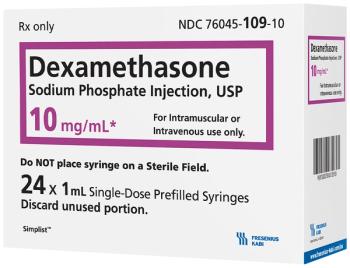
Dexamethasone pretreatment significantly reduces GI complications in DLBCL patients undergoing R-CHOP, maintaining efficacy and improving safety.

Central centrifugal cicatricial alopecia (CCCA) faces significant diagnostic delays, highlighting the need for increased awareness and education among providers.

Operators demonstrated specialty-specific differences in electronic health record efficiency, timeliness, and after-hours use, highlighting how workflow and training shape documentation behaviors across medical disciplines.

The FDA believes that data on MRD and complete response can expedite new drug delivery compared with long-term survival indicators.

Patients with severe alopecia areata showed significantly elevated systemic inflammatory markers compared with mild disease and healthy controls.

The ACCESS Model signals a shift toward outcome-aligned payments and a necessary reframing of what “value” actually means.

Although the vast majority of physicians using an artificial intelligence (AI) scribe perceived a reduction in documentation time, those with the most actual time savings had higher relative baseline levels of documentation time.


New treatments, care gaps, and cardiac monitoring were major focuses in cardiovascular news this year.

The most-viewed content focused on the “One Big Beautiful Bill,” the Most Favored Nation drug policy, and other changes under the Trump administration.

A reimbursable, team-based remote blood pressure monitoring program significantly improved hypertension control in patients with multiple chronic conditions.

The benefit of trabectedin plus olaparib to all-comers with soft tissue sarcoma was marginal, but the response was more pronounced in certain subgroups.

FDA Approves Aficamten for Obstructive Hypertrophic Cardiomyopathy
Published: | Updated:
The cardiac myosin inhibitor is expected to be available in the US in the second half of January 2026.

Genetics played a major role in predicting worsening LVEF, progressing to a dilated cardiomyopathy phenotype, and a combined end point of both.

Advertisement
Advertisement
Trending on AJMC
1
MFN Drug Agreements Could Raise Prices Worldwide
2
FDA Clears First Alzheimer Blood Test for Adults as Young as 40
3
Newer Agents, New Advantages: Brexpiprazole, Cariprazine, and Lumateperone in MDD
4
Dosing, Tolerability, and Formulary Impact: Aripiprazole and Quetiapine XR in MDD
5