




Providers
Latest News


Wilfong Joins Navista as Chief Medical Officer: “We Really Want to Partner With Practices”
By Mary Caffrey
Advertisement
Latest Videos







Podcasts




Advertisement
More News

New strategies and therapies are being developed to try and decrease the risk of bone disease and cardiovascular complications among people with severe kidney disease.

Family caregivers absorb enormous burden after a breast cancer diagnosis, so routine caregiver support is vital.
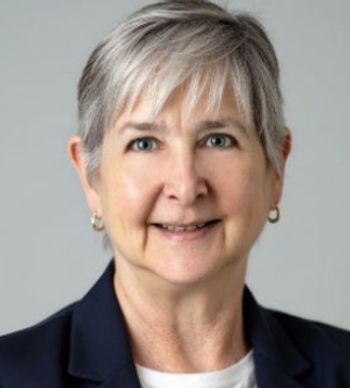
A phase 1 clinical trial specialist, Nancy L. Lewis, MD, MBS, FACP, most recently spent more than a decade at Novartis and was previously a faculty member at Fox Chase Cancer Center and Thomas Jefferson University Hospital.

Steven Kheloussi, PharmD, explores how smarter clinical tools, multidisciplinary teams, and better care coordination can improve outcomes for people with MS.

MASH can have a significant impact on patients’ quality of life, particularly if they have comorbidities or advanced fibrosis.

Mammography use fell significantly among younger, uninsured, and non-Hispanic White and Asian women from 2002-2022, with the 2009 USPSTF guideline change a likely driver.

Attempts to refine non–small cell lung cancer treatment selection have been limited by a lack of biomarkers, but recent research is expanding the potential landscape.

The law stems from the case of a beneficiary of the state workers health plan, repeatedly denied an alternative cancer treatment, only to be approved after he was too ill to be a candidate.

Chronic skin diseases are increasingly being understood as systemic conditions driven by the interconnected brain-gut-skin axis.

Novo Nordisk launches a Wegovy subscription program to reduce costs, expand access, and improve long-term adherence.

A machine learning model using routine clinical data more accurately predicted 5-year heart failure risk in patients with CKD than traditional tools.

Education and personal factors influence willingness more than physician recommendation alone, a new study found.

Combining traditional dermatopathology with PCR-based molecular testing improves diagnostic accuracy in differentiating eczema from psoriasis, particularly in ambiguous cases.

Fewer than half of phase 3 chronic spontaneous urticaria (CSU) trials reported baseline disease duration, a review found.

Topical immunotherapy remains an effective, affordable option for alopecia areata, with long-term control seen in multimodal treatment approaches.

Emerging diabetes therapies are transforming MASLD treatment by addressing both metabolic dysfunction and liver disease, with new approvals and a growing pipeline signaling a shift in care.

Patients with CSU with isolated angioedema tended to have more severe attacks and an inferior response to high-dose antihistamines.

A program in Detroit identified hundreds of patients with chronic kidney disease.

Scalp tape strip samples had high concordance with lesion biopsies in patients with alopecia areata.

The LPI/GPR55 axis is a key driver of MAFLD/MASH progression by promoting liver fat accumulation, inflammation, and fibrosis.

Nerandomilast may represent a meaningful addition to the treatment arsenal, offering patients and clinicians a new option for pulmonary fibrosis.

Bireociclib plus fulvestrant significantly improved progression-free survival and response rates in advanced HR-positive breast cancer, with manageable safety and consistent benefits across high-risk subgroups.

The authors assess use of the novel assistant physician (AP) pathway and examine Missouri regulatory changes. They find limited supply impacts of APs and discuss implications.

Even with significant organizational investment in cross-system coordination, primary care providers report a range of challenges in coordinating care with specialists in other health systems.

The standards under this rule will save providers time on paperwork, letting them focus more on patients, says CMS Administrator Mehmet Oz, MD, MBA.
Advertisement
Advertisement
Trending on AJMC
1
MFN Drug Agreements Could Raise Prices Worldwide
2
FDA Clears First Alzheimer Blood Test for Adults as Young as 40
3
Newer Agents, New Advantages: Brexpiprazole, Cariprazine, and Lumateperone in MDD
4
Dosing, Tolerability, and Formulary Impact: Aripiprazole and Quetiapine XR in MDD
5