




Center on Health Equity & Access
Latest News
Advertisement
Expert Insights
Hear what thought leaders have to share about the Center on Health Equity & Access.
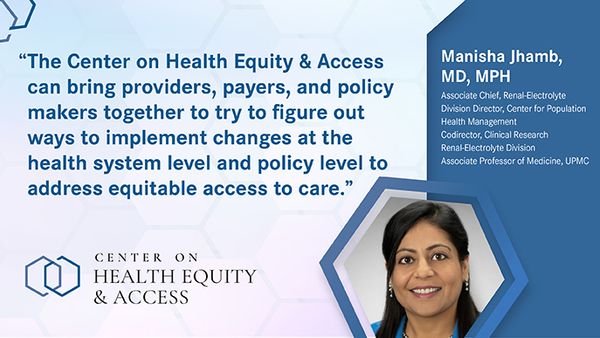
Expert Insights
Hear what thought leaders have to share about the Center on Health Equity & Access.
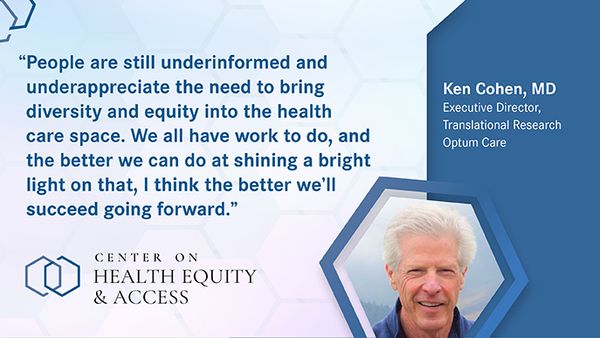
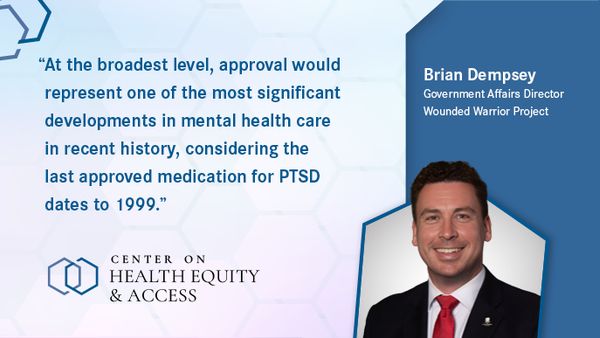
FDA Denies MDMA-Assisted Therapy Despite Promising Trial Results
Leaders respond to the complete response letter issued by the FDA, seeking answers and calling for more progress to aid the veteran community and others experiencing PTSD. Learn more with the full article from AJMC®!
Latest Videos






Advertisement
More News

Prior authorization remains a major health care barrier, causing delays and frustrations for insured adults seeking necessary treatments.

Explore critical health equity issues as barriers to care access and health disparities that impact treatment for allergic rhinitis and childhood vaccinations.

AAP’s 2026 immunization schedule continues protection against 18 diseases as the CDC reduces its recommendations to 11.

Experts Warn That CDC Childhood Immunization Schedule Revisions Could Reduce Uptake, Erode Public Trust
Published: | Updated:
Experts raise concerns that CDC childhood immunization changes could reduce vaccine uptake and weaken trust in public health guidance.

Minnesota physicians warn ICE activity in hospitals and clinics is deterring care, undermining patient safety, and worsening health outcomes.
CMS’s 2027 proposed MA payment rate increase of .09% falls short of expectations, potentially increasing premiums and reducing benefits for seniors.

Patients with allergic rhinitis face prolonged symptoms and inadequate treatment, highlighting a need for better awareness and access to allergen immunotherapy.
Research reveals that socioeconomic status significantly impacts survival rates in young adults with metastatic colorectal cancer, emphasizing the need for health equity initiatives.

Health outcomes and inpatient costs improved for veterans when the federal government invested in preventing homelessness.

A multistakeholder study explores how law enforcement presence in EDs affects survivors of violence and outlines trauma-informed, patient-centered policy solutions.

Socioeconomic and demographic factors influenced amputation and recurrence rates in upper extremity soft tissue sarcoma.

There is a shift happening in mental health care, with real-world data and holistic evaluations improving patient outcomes and reducing disparities.

Few adults with diabetes in Mexico achieve combined CVD risk factor control, highlighting gaps in blood pressure, cholesterol, and glycemic management.

A new study finds law enforcement presence in emergency departments may disrupt care. Lead author Prashasti Bhatnagar discusses policy and training solutions.

The new Horizon1000 partnership aims to deploy AI tools across 1000 clinics to boost care, support health workers, and address aid cuts in African health systems by 2028.

As the FY26 budget is being negotiated, Jennifer Snow, MPA, of NAMI, emphasizes that funds must be directed to programs as Congress intends.
NAMI's National Director of Government Relations and Policy, Jennifer Snow, MPA, explains how advocates rallied in support of mental health care.

This meta-analysis, which found no statistically significant OS differences by sex, age, or race with ICIs, highlights the need for more diverse, representative NSCLC trials.

Young adults with metastatic CRC (mCRC) and low socioeconomic status (SES) face higher 3-year mortality, whereas race was not independently linked with survival.

New York City nurses continue their strike over staffing, safety, and benefits through negotiations on day 5 of the city’s largest nursing strike.
In this week’s health equity news, ICHRAs may offer flexible health coverage options amid ACA subsidy uncertainties, and advocates rally for mental health funding stability.

With ACA subsidies in limbo, ICHRAs may reshape how Americans access coverage. Here are 5 FAQs explaining what they are, who benefits, and key trade-offs.

Alongside physician collaboration, patient advocacy is essential to ensure clinical trials and public policy reflect patient-centered outcomes.

The Trump administration says it will restore vital SAMHSA funding after swift advocacy from mental health supporters.

Black adolescents from lower-income households who engage in volunteer activities experience reduced odds of developing diabetes in adulthood.
Advertisement
Advertisement
Trending on AJMC
1
Delayed Dupilumab Raises Asthma Costs 32%: Nicola Hanania, MD
2
Regorafenib Prescribing in Advanced GIST Deviates From Guidelines
3
Secondary T-Cell Cancers After CAR T: Rare, Real, and Worth Watching
4
FDA Expands Finerenone Approval to CKD Associated With Type 1 Diabetes
5