






Center on Health Equity & Access
Latest News
Advertisement
Expert Insights
Hear what thought leaders have to share about the Center on Health Equity & Access.
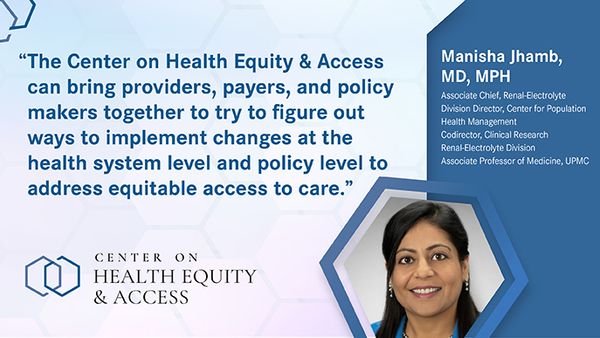
Expert Insights
Hear what thought leaders have to share about the Center on Health Equity & Access.
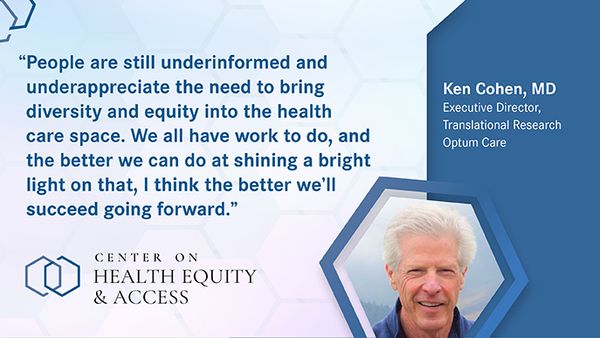
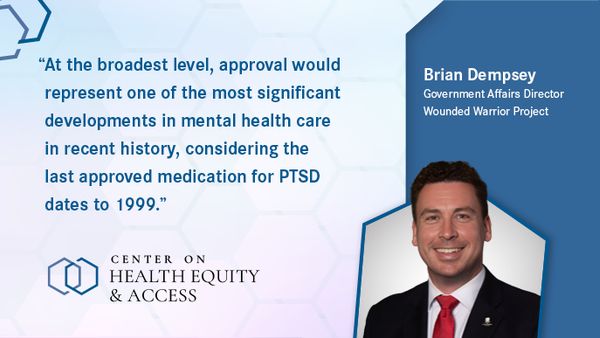
FDA Denies MDMA-Assisted Therapy Despite Promising Trial Results
Leaders respond to the complete response letter issued by the FDA, seeking answers and calling for more progress to aid the veteran community and others experiencing PTSD. Learn more with the full article from AJMC®!
Latest Videos








Advertisement
More News

Explore the evolving landscape of drug pricing, reproductive rights, and health policy in 2025, featuring insights on SC pembrolizumab and RFK Jr's hearings.
The most-viewed content focused on the “One Big Beautiful Bill,” the Most Favored Nation drug policy, and other changes under the Trump administration.
ASH 2025 highlighted innovative cancer treatments, including in vivo CAR T therapy and options that enhance quality of life while reducing burdens.

Patients with generalized myasthenia gravis face significant barriers to diagnosis, creating the need for improved patient–health care interactions.
From oncology to cardiology, Institute for Value-Based Medicine® conversations highlighted the ways value-based care is reshaping access, equity, and outcomes.

Our top 5 heart failure content of 2025 include FDA approvals, GDMT optimization, risk markers like LBBB and SDOH, and value-based care models improving outcomes in heart failure.

Angela Liu, PhD, MPH, speaks about her study that examined mental health care use by Medicare beneficiaries before and after switching from MA to TM.

Heart failure deaths increasingly occur at home or in hospice, but racial, sex, and regional disparities persist in end-of-life care.

Martha Gulati, MD, explains how bias and underrepresentation in research lead to misdiagnosis of HFpEF in women and delays in care.

Trump secures new pricing deals with 9 drugmakers, advancing his effort to align US drug costs with Europe and expand direct-to-consumer purchasing.

Limiting health-related social needs screening to lower-income areas would reduce screening burdens; however, this study found a 2-stage screening approach based on geography to be suboptimal.
Reflect on the challenges in health equity, care access, and policy shifts impacting health insurance and clinical research in 2025.

A new study finds patients with unmet social needs like housing or transportation face higher ED and inpatient use and that resolving these needs may reduce utilization.

With ACA subsidies expiring, experts warn coverage losses could worsen access to behavioral health care and emergency department strains.

The past year has seen multiple changes in the HIV space that have long-term effects when it comes to ending the epidemic.

The FDA approved trastuzumab deruxtecan plus pertuzumab for first-line HER2-positive metastatic breast cancer after DESTINY-Breast09 showed major PFS gains.

AHA 2025 highlights included new guidelines and targeted approaches advancing heart failure and cardiovascular care.

Blinatumomab enhances survival in pediatric B-cell ALL, yet homecare challenges hinder its outpatient delivery.

Pediatric atopic dermatitis advances, ruxolitinib safety, IgE insights, and more at the Society for Pediatric Dermatology (SPD) 2025 meeting.
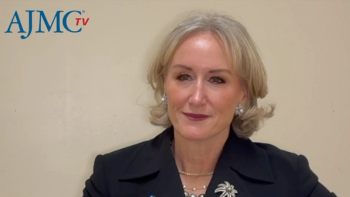
Debra Patt, MD, PhD, MBA, MPH, spoke at SABCS about the importance of patient-investigator collaboration to enhance the clinical trial process.

Financial and social barriers hinder access to specialized care and impact treatment outcomes for adolescents and young adults with leukemia.

Early fertility counseling is necessary for young patients before treatment limits options, said Yara Abdou, MD, of the University of North Carolina at Chapel Hill.

Cervical cancer screening adherence drops below 10%, highlighting confusion over evolving guidelines and significant disparities in HPV awareness.

Many US patients with diabetes cannot afford their medical care. The authors review the impact of interventions that reduced and/or eliminated diabetes-related costs.

Research at the San Antonio Breast Cancer Conference highlights T-DXd's superior efficacy and safety in HER2+ metastatic breast cancer, especially among diverse populations.
Advertisement
Advertisement
Trending on AJMC
1
Delayed Dupilumab Raises Asthma Costs 32%: Nicola Hanania, MD
2
Regorafenib Prescribing in Advanced GIST Deviates From Guidelines
3
Secondary T-Cell Cancers After CAR T: Rare, Real, and Worth Watching
4
FDA Expands Finerenone Approval to CKD Associated With Type 1 Diabetes
5