






Center on Health Equity & Access
Latest News
Advertisement
Expert Insights
Hear what thought leaders have to share about the Center on Health Equity & Access.
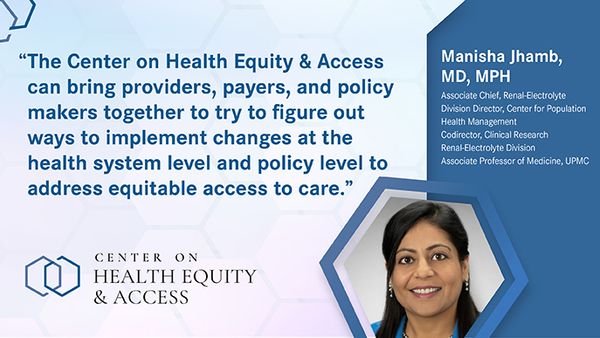
Expert Insights
Hear what thought leaders have to share about the Center on Health Equity & Access.
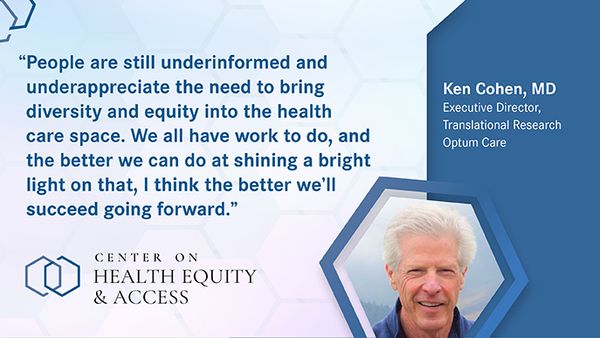
FDA Denies MDMA-Assisted Therapy Despite Promising Trial Results
Leaders respond to the complete response letter issued by the FDA, seeking answers and calling for more progress to aid the veteran community and others experiencing PTSD. Learn more with the full article from AJMC®!
Latest Videos









Advertisement
More News

ED law enforcement interactions affect survivors of violence and immigrant patients, emphasizing training and advocacy.

This week's news roundup covers updates in health policy, technology, and access to pharmaceuticals.

Patients undergoing lung or colon cancer surgery at rural hospitals that later closed had better outcomes after transfer to high-performing oncology centers.
Patient–physician collaboration ensures trials reflect outcomes that matter to patients, according to Debra Patt, MD, PhD, MBA, MPH.

Last week, OpenAI launched AI tools for health care organizations, including ChatGPT for Healthcare, designed to improve care and streamline administrative tasks.

Risk-based vaccination strategies and clinical pathway integration could improve coverage and strengthen future influenza preparedness, according to Marco del Riccio, MD.

Nursing home capacity has declined since the COVID-19 pandemic, causing greater strain on postacute care, especially in rural areas.

A recent study reveals that medical debt significantly increases the risk of housing instability, highlighting urgent implications for health policy and financial security.

This analysis of more than 250,000 adults at least 50 years old with chronic conditions showed lower portal use among older, non–English-speaking, and Black patients, underscoring digital health equity gaps.

Social determinants of health influence heart failure and arrhythmia risk in HCM, highlighting the need for more holistic, equitable risk stratification.

W. Kimryn Rathmell, MD, PhD, FASCO, champions the dyad model to enhance oncology care accessibility, bridging gaps between rural patients and clinical trials.

The complex disparities in pancreatic cancer survival trends across demographics and regions highlight urgent needs for targeted interventions.

Although influenza vaccine uptake remains low, improving access, recommendations, and trust may help close coverage gaps.

Johnson & Johnson partners with the Trump Administration to lower drug prices and utilize TrumpRx.com, joining a growing list of pharmaceutical companies.

Asian women with breast cancer receiving chemotherapy had the highest persistent chemotherapy-induced alopecia (PCIA) incidence and alopecia-related distress vs their White, Black, and Hispanic or Latino peers.

This week, we look at 5 key health care changes the Trump Administration made in 2025, changes to the immunization schedule, and new research on telehealth accessibility.

President Donald J. Trump's health care overhaul during the first year of his second term reshapes Medicaid, vaccine policies, and drug pricing.

Tobacco use significantly impacts gastric and esophageal cancer outcomes, highlighting the need for targeted public health strategies and smoking cessation efforts.
Flu vaccination in older adults may prevent hospitalizations and cardiovascular events, saving lives and reducing health care costs, according to Marco del Riccio, MD.

Lower income and higher social deprivation were associated with increased heart failure and arrhythmia risk in patients with hypertrophic cardiomyopathy.

Genetic and metabolic differences may increase aggressive early breast cancer risk in Latin American women with obesity, notes William Audeh, MD, MS.

Smart pill bottles may boost adherence to oral breast cancer therapies through daily reminders and tracking, though cost and technology barriers remain, says Steven Manobianco, MD.

Food insecurity is associated with a lower rate of annual visits but a higher share of telehealth visits for primary and preventive care.
Findings from SABCS genetic differences between Latin American and non-Hispanic White women with breast cancer and h

Telemedicine use in rural areas was associated with a higher likelihood of utilizing preventive services.
Advertisement
Advertisement
Trending on AJMC
1
Delayed Dupilumab Raises Asthma Costs 32%: Nicola Hanania, MD
2
Regorafenib Prescribing in Advanced GIST Deviates From Guidelines
3
Secondary T-Cell Cancers After CAR T: Rare, Real, and Worth Watching
4
FDA Expands Finerenone Approval to CKD Associated With Type 1 Diabetes
5