





Center on Health Equity & Access
Latest News
Advertisement
Expert Insights
Hear what thought leaders have to share about the Center on Health Equity & Access.
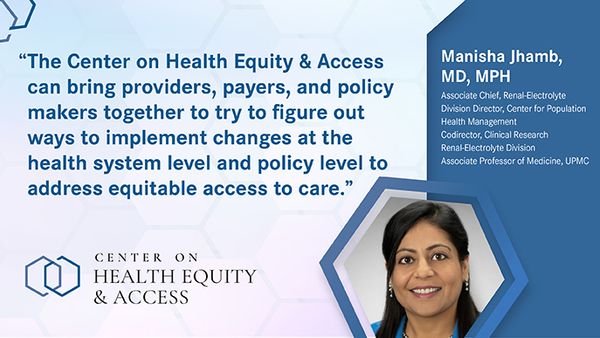
Expert Insights
Hear what thought leaders have to share about the Center on Health Equity & Access.
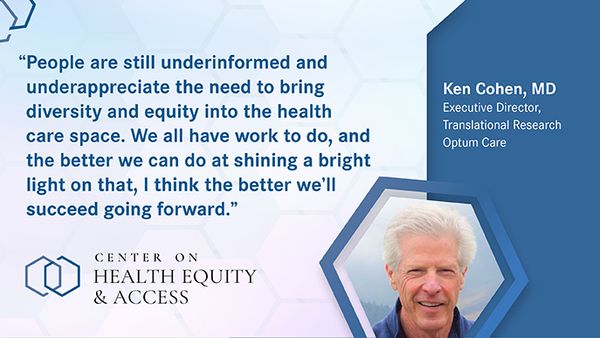
FDA Denies MDMA-Assisted Therapy Despite Promising Trial Results
Leaders respond to the complete response letter issued by the FDA, seeking answers and calling for more progress to aid the veteran community and others experiencing PTSD. Learn more with the full article from AJMC®!
Latest Videos







Advertisement
More News

WHO's latest report shows alarming trends in antimicrobial resistance, highlighting urgent global challenges and the need to improve surveillance and treatment.

Lindsey Valenzuela, PharmD, explains how cost, coverage gaps, and tech literacy hinder women’s access to early arrhythmia detection tools.
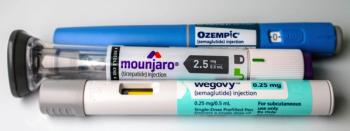
Experts at the Skin of Color Update highlighted the potential benefits of GLP-1 RAs in managing obesity, as well as psoriasis and hidradenitis suppurativa symptom management.

Eliot F. Battle, MD, a dermatologist, reflects on how he chooses the right treatments for patients with skin of color.

Vivek Subbiah, MD, says artificial intelligence (AI) should assist clinicians in precision oncology, not replace human decision-making.

Surgeons are more likely to perform opportunistic salpingectomy when their peers have done so, underscoring the impact of physician networks in ovarian cancer prevention.
Lindsey Valenzuela, PharmD, explains how atypical symptoms, research gaps, and care inequities delay arrhythmia detection in women.

The positive aspects of the executive order focused on homeless individuals, have been overshadowed by aspects not viewed as positively.

Artificial intelligence, automation, and expanded pharmacist roles help reduce administrative burdens, improve workflow, and support providers in delivering cancer care, according to Scott Soefje, PharmD, MBA, BCOP.
UPMC's innovative pilot program combines medically tailored meals and nutrition education to tackle chronic disease and improve community health outcomes.

Research reveals that Medicaid accountable care organization (ACO) designs significantly impact maternal health outcomes, highlighting the importance of structural partnerships in care delivery.
Artificial intelligence (AI) is expanding clinical trial access and enabling drug repurposing, according to Vivek Subbiah, MD.
Laxmi Patel of Savista discusses how the Budget Reconciliation Act could widen Medicaid coverage gaps and strain hospitals across states.

A CCS report found that pharmacists lack time for diabetes education as workloads rise, worsening disparities and threatening adherence.

Rilzabrutinib (Wayrilz; Sanofi) may improve immune thrombocytopenia (ITP) outcomes, enable early intervention, and enhance patient quality of life.

Prior authorizations for health plans will soon implement AI to streamline the process and potentially improve patient outcomes.

Public health must address emotional and structural inequities, emphasizes Perry N. Halkitis, PhD, MS, MPH, dean of the Rutgers School of Public Health.

Today, Amgen announced the launch of AmgenNow, a direct-to-patient program offering evolocumab (Repatha) at nearly 60% below the current US list price.

A study finds rural and nonrural patients have similar follow-up times after positive stool-based DNA tests, supporting broader colorectal cancer screening access.

The European Respiratory Society (ERS) Congress fosters collaboration among global experts, advancing respiratory health and promoting equality in medicine.

Research highlights disparities in anti-obesity medication use and metabolic and bariatric surgery.

Stronger partnerships between primary care and oncology improve patient outcomes by ensuring coordinated care and addressing financial and systemic barriers, says Mark Fendrick, MD.

Among Medicare Advantage enrollees, the mortality of Hispanic enrollees in Puerto Rico was significantly higher than that of Hispanic enrollees in the US during 2010-2022.

Louisiana and Mississippi had the highest rates of maternal and child mortality in the country, respectively.

Programs such as Meds to Bed can work in tandem with retail pharmacies to offer accessible medications for patients.
Advertisement
Advertisement
Trending on AJMC
1
Delayed Dupilumab Raises Asthma Costs 32%: Nicola Hanania, MD
2
Regorafenib Prescribing in Advanced GIST Deviates From Guidelines
3
FDA Expands Finerenone Approval to CKD Associated With Type 1 Diabetes
4
Secondary T-Cell Cancers After CAR T: Rare, Real, and Worth Watching
5