





Clinical
Latest News

Advertisement
Latest Videos






CME Content


Advertisement
More News
Pulling data from a US electronic health record–based database, researchers found low rates of complete remission and poor overall survival among 382 patients who had myelodysplastic syndromes (MDS) receiving first-line azacytidine (AZA).

Experts discuss how they determine whether a patient with metastatic breast cancer is a candidate for treatment with elacestrant based on FDA approved indication, NCCN guidelines, and the results of ESR1 mutation and resistance marker testing. Participants also discuss how they determine treatment failure or resistance.
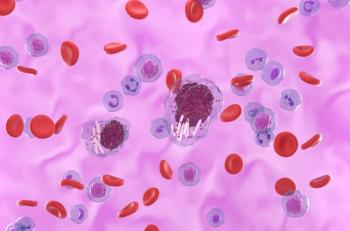
Investigators say attempts to overcome mutational resistance to Bruton’s tyrosine kinase (BTK) inhibitors have had mixed results among patients who have chronic lymphocytic leukemia (CLL).

Researchers found TET2 clonal hematopoiesis of indeterminate potential (CHIP) to be an independent risk factor associated with incident heart failure with preserved ejection fraction (HFpEF).

The expanded indication makes dupilumab the only approved treatment for eosinophilic esophagitis (EoE) in this age group.

Dupilumab shows long-term efficacy across yearly seasons in patients with type 2 inflammatory asthma.

What We’re Reading: ACA Sign-Up Surge; Hospitals Fight Climate Change; Secondary Cancers, CAR T Link
A record 21.3 million people signed up for health insurance this year using the Affordable Care Act (ACA) marketplaces; nearly 80% of health care providers think it is important for their hospital to minimize its environmental impact; the FDA noted a potential link between CAR-T products and the development of T-cell cancer.

A predictive model utilizing serum metabolic profiles was able to distinguish ovarian cancer from control samples with 93% accuracy, according to a new study.

Richard Adler, MD, FACS, provides perspective on AAO 2023 data suggesting dual mechanism treatment targeting aqueous deficiency and meibomian gland dysfunction may improve dry eye symptoms more significantly and faster than singular therapies, benefiting patient compliance and disease management.
Richard Adler, MD, FACS, provides insights on data presented at AA0 2023, from a study comparing results of the ARMOR procedure versus treatment with cyclosporine ophthalmic emulsion 0.05% in patients with dry eye disease.
Richard Adler, MD, FACS, discusses corneal fluorescein staining data presented at AAO 2023 from the pooled analysis of 2 phase 3 studies.
Richard Adler, MD, FACS, leads a discussion on real-world signs, symptoms and patient reactions associated with the treatment for DED.
Deborah Stephens, DO, shares unmet needs in the current treatment landscape of CLL and SLL.
A panel of experts explore current treatment strategies in CLL and SLL management.
Clinical manifestations and impact on patient quality of life amid diagnosis and management of CLL and SLL are discussed.
Richard Adler, MD, FACS, discusses the Switch trial which compared OTX-101 (cyclosporine ophthalmic solution 0.09%) vs cyclosporine ophthalmic emulsion 0.05% (Restasis) in patients with dry eye disease (DED).
The panel provides closing thoughts on the future of the CSCC and BCC treatment landscape.
Exploring recent trials and updates in nonmelanoma skin cancer treatment.

New methods of classifying patients could pave the way for more personalized treatment approaches, a new report states.

An analysis of the DELIVER trial also revealed an association between dapagliflozin treatment and reduced risk of cardiovascular death among individuals with heart failure with improved ejection fraction (HFimpEF).
Sarepta Therapeutics has started screening participants for a Phase 3 clinical trial to test its gene therapy candidate SRP-9003 in children with limb-girdle muscular dystrophy type 2E; wastewater testing points to a new COVID-19 infection wave fueled by the JN.1 variant; most patients on anti-obesity medications kept at least some weight off up to a year after they stopped taking them.

Global warming, wildfires, precipitation, floods, and storms impact patients with atopic dermatitis (AD).

A new report compared the blood immune repertoires of patients with chronic lymphocytic leukemia (CLL) who received chemoimmunotherapy and those who received ibrutinib.

The researchers explained that their findings expanded upon evidence of the harmful respiratory effects of night shifts while also providing valuable evidence for the development of COPD prevention strategies.
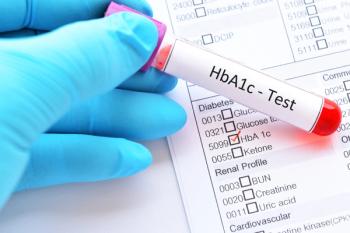
Compared with a hemoglobin A1c (HbA1c) level of 5.5%, adolescents with overweight or obesity were 72 times more likely to have diabetes if their HbA1c was 6.3% to 6.4%.
Advertisement
Advertisement
Trending on AJMC
1
As Cencora Closes With OneOncology, Patton Says Terms Show “Trust”
2
TrumpRx Launch Brings Savings—and Uncertainty
3
Exploring Identity, Appearance Experiences Among Patients With Alopecia
4
Benefits, Tradeoffs of Medically Integrated Dispensing in Oncology Care: Katherine Tobon, PharmD, BCOP
5