






Clinical
Latest News
Advertisement
Latest Videos




Advertisement
More News
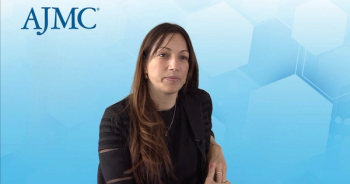
Elli Papaemmanuil, PhD, assistant professor in computational oncology, Memorial Sloan Kettering Cancer Center, discussed current knowledge on the molecular profile of myelodysplastic syndromes (MDS) and potential use of precision medicine.

Viral Shah, MD, an endocrinologist and scientist, discusses the growing field of research into the connections between type 1 diabetes (T1D) and osteoporosis.

Outcomes for patients with ankylosing spondylitis (AS) and psoriatic arthritis (PsA) may depend on gender, time to diagnosis, and body mass index (BMI), according to subanalyses of the AQUILA study of patients taking secukinumab.

Patients from this diverse cohort experienced improvements in atopic dermatitis (AD) clinical scores after a year or more of treatment with dupilumab.

In patients with BRAF-mutated non–small-cell lung cancer (NSCLC), further research is needed to identify more treatment options that address the scope of subsets in this population.

Despite current guidelines recommending combination therapy, there are certain patients with pulmonary arterial hypertension (PAH) who remain on monotherapy for specific reasons.

Research presented at the 2022 American Society of Clinical Oncology Annual Meeting shows White patients with myelodysplastic syndrome (MDS) have worse overall survival outcomes than African American patients, contrary to previous findings in other cancer types.

The researchers of this new study wrote that although SMA carrier screening is recommended for all couples, current testing methods primarily focus on copy number loss of SMN1, which can result in false-negative test results due to intragenic mutations and silent carriers falling under the radar.

The tool relies on factors including creatinine, anti–double-stranded DNA antibody, and gender, among others.

Creating and validating effective risk assessment models could help facilitate appropriate prophylaxis for hemophilia, but more research is needed to confirm the prognostic value of various clinical risk factors and biomarkers.
Drs Richter and Kaufman conclude by discussing future promising developments in RRMM therapy.
Professional experts offer suggestions on how payers can be further educated on RRMM treatment.
Drs Joshua Richter and Jonathan L. Kaufman consider where IMiDs fall in the RRMM treatment landscape in comparison with emerging treatment options, such as bispecific antibodies and CAR T-cell therapy.
Two medical oncologists break down the role molecular testing has when treating NSCLC, from guidelines to common methods to barriers.
Alexander Spira, MD, PhD, FACP provides an overview of molecular testing in NSCLC.

Dr Paul Noble comments on the role lung transplants play in ILD treatment.
Daniel Culver, DO, concludes the clinical trial discussion by elaborating on Dr Highland’s assessments of the data that support the use of nintedanib, pirfenidone, and tocilizumab when treating IPF, PF-ILD, and SSc-ILD.

Research found fecal microbiota transplantation (FMT) to be an optimal cost-effective treatment strategy for first and subsequent recurrent Clostridioides difficile infection (CDI), challenging current guidelines.
Dr Brixner highlights the important factors a payer must look at when determining PDT coverage, and Dr Podesta comments from the provider perspective.
Medical professionals discuss PDT management, from patient satisfaction and clinical outcomes to cost.

A recent review explored current palliative care practices for patients with hematologic cancers compared with solid tumor cancers.

Early results of a multicenter phase 2 trial exploring the efficacy of daratumumab, pomalidomide, dexamethasone, and ixazomib treatment suggest the regimen is safe and effective in relapsed or refractory multiple myeloma (MM).

Just 5% of patients in a cholangiocarcinoma cohort were categorized as microsatellite instability high (MSI-high), but those patients tended to have “excellent” responses to therapy.

An interim analysis of the KEYNOTE-716 trial of adjuvant pembrolizumab supports its use in the adjuvant setting for patients with resected melanoma.

Among a real-world cohort of patients, switching between infliximab biosimilars was effective and well tolerated, although retention was higher among those who had initially started on the originator product.
Advertisement
Advertisement
Trending on AJMC
1
TrumpRx Launch Brings Savings—and Uncertainty
2
As Cencora Closes With OneOncology, Patton Says Terms Show “Trust”
3
Benefits, Tradeoffs of Medically Integrated Dispensing in Oncology Care: Katherine Tobon, PharmD, BCOP
4
PBM Reforms Signed Into Law, Reshaping Medicare Part D Drug Pricing Transparency
5