





Clinical
Latest News
Advertisement
Latest Videos



Advertisement
More News

The findings from this single-center cross-sectional study, say the researchers, suggest that IL-6 signaling may be a promising target for the treatment of patients with glutamic acid decarboxylase (GADA)–induced autoimmune epilepsy.

Using data from the PROVE-HF study, investigators conducted a subanalysis of outcomes among patients receiving sacubitril/valsartan who did and did not have ischemic heart disease.

A new case series highlights characteristics and challenges of this subgroup of patients with myasthenia gravis (MG).

Retinopathy of prematurity (ROP) that occurs in preterm babies can progress fast, which requires quick decisions early about treatment, explained Darius M. Moshfeghi, MD, chief, Retina Division, and professor at the Horngren Family Vitreoretinal Center, Byers Eye Institute, Department of Ophthalmology, Stanford University School of Medicine.
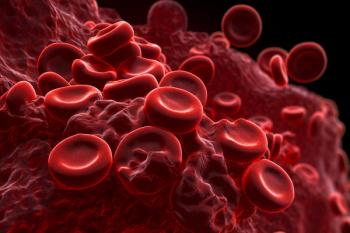
A review of cases involving Jehovah’s Witnesses found many modalities can be successfully deployed to treat thrombotic thrombocytopenic purpura (TTP).

More information is needed to better understand variations in how the drug affects individual patients.

Immunotherapies are an important breakthrough in cancer treatment, but little is known about which practices adopt the therapy or the pace at which they do so.

The current study, which showed that cannabidiol (CBD) blocked signals carried by the molecule lysophosphatidylinositol in neurons, offers new insights into these mechanisms.

Researchers collected physical function measures and blood samples from 24 patients enrolled in a 16-week trial of at-home aerobic and/or resistance exercise.
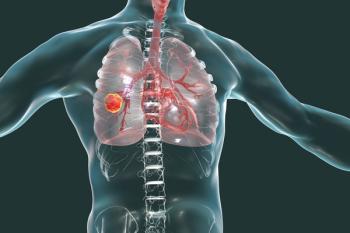
A post-hoc analysis of the EMPOWER-Lung 1 and 3 studies demonstrates long-term survival and responses for patients with locally advanced non–small-cell lung cancer (NSCLC) treated with cemiplimab.

Physicians may be able to better identify patients with chronic cough using the combination of 2 coughing tests.
The GATHER1 and GATHER2 studies are highlighted.
Medical experts recap the DERBY and OAKS studies.
Hypercholesterolemia impact on cardiovascular outcomes is explored by a key opinion leader.

Because biologics are used to treat both conditions, researchers hypothesized they may be helpful to prevent psoriatic arthritis (PsA).

James F. Howard, Jr, MD, professor of neurology at the University of North Carolina at Chapel Hill, explains the antibody subtypes associated with this rare neuromuscular disease.

Chimeric antigen receptor (CAR) T-cell therapies have shown efficacy and safety for relapsed or refractory diffuse large B-cell lymphoma (DLBCL), but barriers to referral may obstruct patient access to them.

A secondary analysis of the phase 3 TOURMALINE-MM4 trial found that ixazomib as postinduction maintenance therapy for multiple myeloma produced a progression-free survival (PFS) benefit vs a placebo across age and frailty subgroups.

Perfluorohexyloctane (NOV03) was able to reduce the signs and symptoms of dry eye disease (DED) when compared with hypotonic saline control and was well tolerated.
The SPOTLIGHT study results presented at the 2023 ASCO GI Cancers Symposium are explored by Dr Marshall.

Each trial extension has added new and more data and a better understanding of how ruxolitinib cream treats vitiligo in the long term, explained John Harris, MD, PhD, FAAD, director of the Vitiligo Clinic and Research Center at UMass Chan Medical School.

A multidisciplinary approach and symptom management are both vital components of home care to provide continuity of care after cardiac surgery because they decrease symptoms and readmissions to the hospital and increase self-efficacy.

The findings suggest recombinant ADAMTS-13 may be a useful adjunct therapy to plasma exchange among patients who have thrombotic thrombocytopenic purpura (iTTP).

Many gene therapies promise life-changing effects, but without long-term data it remains to be seen how long the benefits last.

A new report from AHIP indicates that biosimilars have the potential to garner savings of $180 billion over 5 years, but there needs to be a review of the approval process for interchangeability to encourage more approvals.
Advertisement
Advertisement
Trending on AJMC
1
Medicare Drug Price Negotiations Yield Uneven Out-of-Pocket Savings
2
Rusfertide Keeps Working Where Hydroxyurea Fades: Andrew Kuykendall, MD
3
CMS Rule Ends Medicaid, CHIP Funding for Pediatric Gender Care
4
Lymphoma Outcomes Hinge on Oncology, Not Viral Load In People With HIV
5