





Clinical
Latest News
Advertisement
Latest Videos








Advertisement
More News

Among a cohort of 88 patients with acute myeloid leukemia who received hypomethylating agents with venetoclax prior to allogeneic hematopoietic cell transplant, 85% had achieved morphologic complete response at 100 days.

Among a group of patients with lung cancer who were not suitable for anticancer treatment, the researchers found that 40% underwent additional investigations after their initial CT scan before eventually receiving best supportive care.

Not only did a majority of each group say they hadn’t heard of biosimilars, but those who had heard of them had negative perceptions.

Within 4 weeks of starting treatment, patients experienced improvements in their condition, indicating an anti-inflammatory effect of the treatment.

Kevin Stephens, Sr. MD, JD examines key drivers of healthcare utilization for women of childbearing years.
Steven McCarus, MD FACOG highlights the shift away from surgical treatment toward medical therapy in UF and endometriosis.

Drs Martin Rosenzweig and Samuel Nordberg share perspectives for integrated policymaking in behavioral health, as well as payer and provider collaboration for TRD.
Carrie Jardine leads a discussion on varying prior authorization policies for alternative therapies for TRD along with implications to patients.

A new commentary suggests new pathways might lead to a major shift in the treatment of pulmonary arterial hypertension (PAH).

This systematic review and meta-analysis used a literature search to gather data from long-term randomized controlled trials on the effectiveness of closed-loop insulin systems (CLS) among nonpregnant patients with type 1 diabetes (T1D).

In this new subanalysis of data from the Atherosclerosis Risk in the Communities study, investigators assessed the risk of incident heart failure (HF) or death by race and sex, as influenced by N-terminal pro–B-type natriuretic peptide (NT-proBNP) concentration, prompted by growing interest in its use as a predictive biomarker for HF.

The increased use of technology in the classrooms has forced ophthalmologists, optometrists, and educators to consider the perfect balance in children’s development.

Acute myeloid leukemia is a complicated heterogenous hematological cancer with a poor prognosis, but novel targets may lead to improved treatment and outcomes going forward.

Previous studies have shown ruxolitinib effective in symptom relief and hematocrit control for hydroxyurea-resistant polycythemia vera, but its role in disease progression is not yet clear.

Our panel concludes with their plans to incorporate RWE into MM management in the future.
Dr Baljević discusses unmet needs that are typically seen in the management of MM.
Dr Brinton highlights the importance of adjunct therapies in LDL management.

Dr Riddock explains how the ASCVD treatment landscape lends itself to initiation of therapy beyond statins in the inpatient setting.

A simple score can identify the patients at risk of severe infection within 4 months of initiating treatment, highlighting candidates to be treated with prophylactic antibiotics.

A multitrait model of corneal parameters was effective in identifying new keratoconus risk loci, resulting in enhanced polygenic risk score models.

The findings suggest that the tool can be used to not only assess cognitive impairment in Huntington disease (HD) but also to detect brain atrophy patterns associated with cognitive status in these patients.

Aldo-keto reductase 1C3 (AKR1C3) has been identified as a potential biomarker and target in several cancers, and a recent study found it to be a potential biomarker in T acute lymphoblastic leukemia/lymphoma (T-ALL).

Chronic kidney disease is a common complication in multiple myeloma, and a recent study found it is safe to treat this patient population with autologous stem cell transplantation.

Researchers outlined 3 mechanisms in which PM2.5 induces asthma, all of which they say are tied to oxidative stress balance.
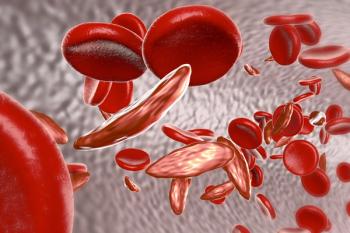
A review of 41 articles indicated that leveraging zinc supplementation in patients with sickle cell disease (SCD) is a safe and potentially effective approach for these patients.
Advertisement
Advertisement
Trending on AJMC
1
TrumpRx Launch Brings Savings—and Uncertainty
2
As Cencora Closes With OneOncology, Patton Says Terms Show “Trust”
3
Benefits, Tradeoffs of Medically Integrated Dispensing in Oncology Care: Katherine Tobon, PharmD, BCOP
4
Asundexian Reduces Risk of Stroke Recurrence in Phase 3 OCEANIC-STROKE Trial
5