
Clinical
Latest News

Advertisement
Latest Videos


Advertisement
More News
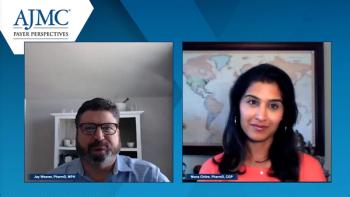
Drs Weaver and Chitre discuss aligning key considerations for payers and goals of therapy for patients in the treatment of MDD.
Drs Weaver and Chitre share strategies to support MDD treatment adherence across their patient populations.
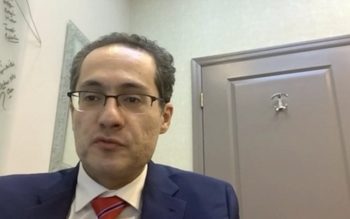
M. Hossein Kazemi, MD, medical oncologist and hematologist, Astera Cancer Care, discusses the benefits of de-escalating treatment for patients with multiple myeloma.

Two abstracts reviewed venetoclax, the first FDA-approved BCL-2 inhibitor in acute myeloid leukemia (AML) and a novel BCL-2 inhibitor to treat chronic lymphocytic leukemia/small lymphocytic lymphoma (CLL/SLL).

This year’s most-read articles on chronic obstructive pulmonary disease (COPD) includes researchon early interventions and possible health policy solutions.
Nasal polyp development, treatment, and recurrence were topics up for discussion in this year’s most popular nasal polyps–related content.
This year’s most-popular content on psoriasis include research regarding disparities and socioeconomic factors that impact psoriasis treatment and an interview on shared decision making.

The relationship between aging and molecular profiles in myelodysplastic syndromes (MDS) is not well understood, but the findings suggest that different genetic alterations have distinct prognostic implications in different age groups.

The biomarker potential of Charcot-Leyden crystals in nasal tissue was investigated over 2 years in 110 patients with diagnosed chronic rhinosinusitis with nasal polyps (CRSwNP).
In 2022, the most-read articles published in Evidence-Based Oncology™ included the latest updates in cancer treatments, the promises and challenges of technology, and a look at the shifting landscape of care delivery.
M. Hossein Kazemi, MD, medical oncologist and hematologist, Astera Cancer Care, discusses emerging tools to use to identify patients with multiple myeloma for de-escalating treatment.
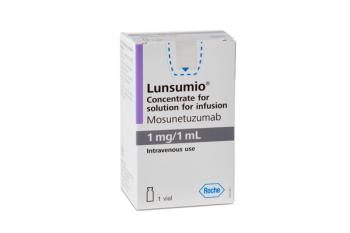
The approval makes mosunetuzumab the first in its class approved to treat follicular lymphoma and comes shortly after data from a phase 2 trial was presented at the annual meeting of the American Society of Hematology.
Bruce Sherman, MD, FCCP, FACOEM, underlines the impact of health inequities for patients diagnosed with psoriasis.
Maria Lopes, MD, MS, provides an overview of the PASI scoring system.
Amy McMichael, MD, discusses the impact of psoriasis on a patient’s quality of life.
Ryan Haumschild, PharmD, MS, MBA, leads a panel discussion highlighting the current prevalence of psoriasis.
Dr Brinton provides insights regarding prognosis for patients with HoFH.
Eliot Brinton, MD, opens a discussion surrounding the treatment landscape for patients with homozygous familial hypercholesterolemia (HoFH).

The 2022 European Hematology Association (EHA22) Congress convened June 9-12, 2022, in Vienna, Austria, and presented cutting-edge findings in hematology, including the potential of artificial intelligence, new treatment combinations in myelofibrosis, and more.
David Lieberman, MD, PhD, reviews the potential role and the goals of gene therapy in the treatment of Rett syndrome.

In their closing thoughts, experts emphasize their optimism regarding the direction of LN treatment strategies and resources.
Drs Wells and Larranaga discuss unmet needs in the treatment landscape for patients with lupus nephritis.

Adult patients with moderate-to-severe atopic dermatitis (AD) in the phase 3 BREEZE-AD7 study showed sustained improvement of AD signs and symptoms after 68 weeks with combination treatment of bariticitinib and topical corticosteroids.
Drs Larranaga and Wells describe challenges impacting access to care for patients with LN.

A pair of abstracts presented during this year’s 64th American Society of Hematology Annual Meeting and Exposition explored barriers to treatment for sickle cell disease (SCD).
Advertisement
Advertisement
Trending on AJMC
1
Medicare Drug Price Negotiations Yield Uneven Out-of-Pocket Savings
2
Rusfertide Keeps Working Where Hydroxyurea Fades: Andrew Kuykendall, MD
3
CMS Rule Ends Medicaid, CHIP Funding for Pediatric Gender Care
4
Lymphoma Outcomes Hinge on Oncology, Not Viral Load In People With HIV
5