




Clinical
Latest News

Advertisement
Latest Videos





Advertisement
More News

Editor’s Note: After this issue of Evidence-Based Oncology™ went to press, Bristol Myers Squibb Foundation announced the $100 million, 5-year initiative will now be called the Robert A. Winn Diversity in Clinical Trials Award Program. The program will also receive a $14 million donation from Gilead Sciences, Inc., over the next 4 years.

Researchers presented results for ZB131, a monoclonal antibody that would target cancer-specific plectin (CSP); experiments with mice showed this may be present in more than 80% of the most common types of cholangiocarcinoma.

The researchers found that the prognostic values for both overall and progression-free survival remained even after adjusting for the International Prognostic Index, a widely used prognostic model of outcomes for the disease.

Camille Hertzka, vice president, head of oncology, US Medical, AstraZeneca, clarifies testing for the HRR mutation in metastatic castrate-resistant prostate cancer (mCRPC) and the predictive importance of radiographic progression-free survival (rPFS) for overall survival in this setting.

Based on the analysis of electronic health records from 480 clinics, we found that better care quality and continuity are associated with better-than-expected wound healing performance.

Clinical, Economic Benefits of Pegfilgrastim Biosimilars as Prophylactic Against Febrile Neutropenia
In patients with intermediate- to high-risk, use of pegfilgrastim biosimilars could optimize management of FN risk.

Dr Beveridge explains potential barriers a physician can encounter when implementing RWE into MM therapy.
The panel elaborate on how they’ve incorporated RWE into their decision-making processes for their patients with MM.

Across 3 disease states, dupilumab has been shown to create rapid, clinically meaningful responses that were sustained, which could improve adherence and the patient-provider relationship.
In this study, the authors developed a method for use in primary care to identify a group of patients with complex care needs using Aggregated Diagnosis Groups.

Kristin Highland, MD, discusses the common risk factors associated with ILD.
Paul Noble, MD, and Daniel Culver, DO, explain the definition of interstitial lung disease (ILD), as well as certain conditions that fall within that distinction.
The authors studied the impact of a pharmacist intervention on blood pressure control compared with usual care.

While teprotumumab, a new FDA-approved therapy for thyroid eye disease (TED), has its adverse events, the other options to treat TED can have severe consequences, said Shoaib Ugradar, MD, UCLA Stein Eye Center Santa Monica.

With further research, allogeneic CAR T-cell therapy may help overcome the cost and production time barriers currently associated with autologous CAR T-cell therapy.

Circulating B cell–activating factor was shown to be a potential biomarker in identifying blood eosinophil counts and risk of postoperative nasal polyp recurrence among patients with chronic rhinosinusitis with nasal polyps (CRSwNP).

Therapy resistance remains a challenge with immune checkpoint inhibitors, and a new study proposes targeting ligand-dependent corepressor (LCOR) in addition to known immune targets to improve outcomes.

Genetically predicted insomnia is a risk factor for allergic disease and asthma, according to a recent Mendelian randomization study.
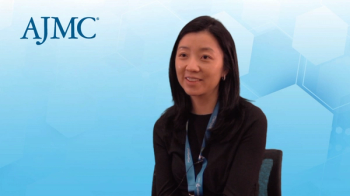
Bernice Kwong, MD, clinical professor of dermatology, Stanford University, talks about how later diagnosis and treatment for graft-versus-host disease (GVHD) affects disease progression and overall patient outcomes.

More than a quarter of patients experience disruptions and delays in treatment for chronic heart failure (CHF) after the initial prescription for sacubitril/valsartan was abandoned/rejected.

Researchers identified 5 distinct clusters for disease exacerbation that went beyond disease labels for both asthma and chronic obstructive pulmonary disease (COPD).
Ian Riddock, MD, describes residual cardiovascular risk, both with and without the use of statin therapies.
An expert advises how to optimize the care continuum for patients with ASCVD.
Dr Ian Riddock explains the patient journey post-myocardial infarction (MI), from hospital to outpatient care.
Ian Riddock, MD, discusses the burden of atherosclerotic cardiovascular disease (ASCVD) and multi-societal guideline recommendations for lipid management.
Advertisement
Advertisement
Trending on AJMC
1
TrumpRx Launch Brings Savings—and Uncertainty
2
As Cencora Closes With OneOncology, Patton Says Terms Show “Trust”
3
Benefits, Tradeoffs of Medically Integrated Dispensing in Oncology Care: Katherine Tobon, PharmD, BCOP
4
Asundexian Reduces Risk of Stroke Recurrence in Phase 3 OCEANIC-STROKE Trial
5