



Clinical
Latest News

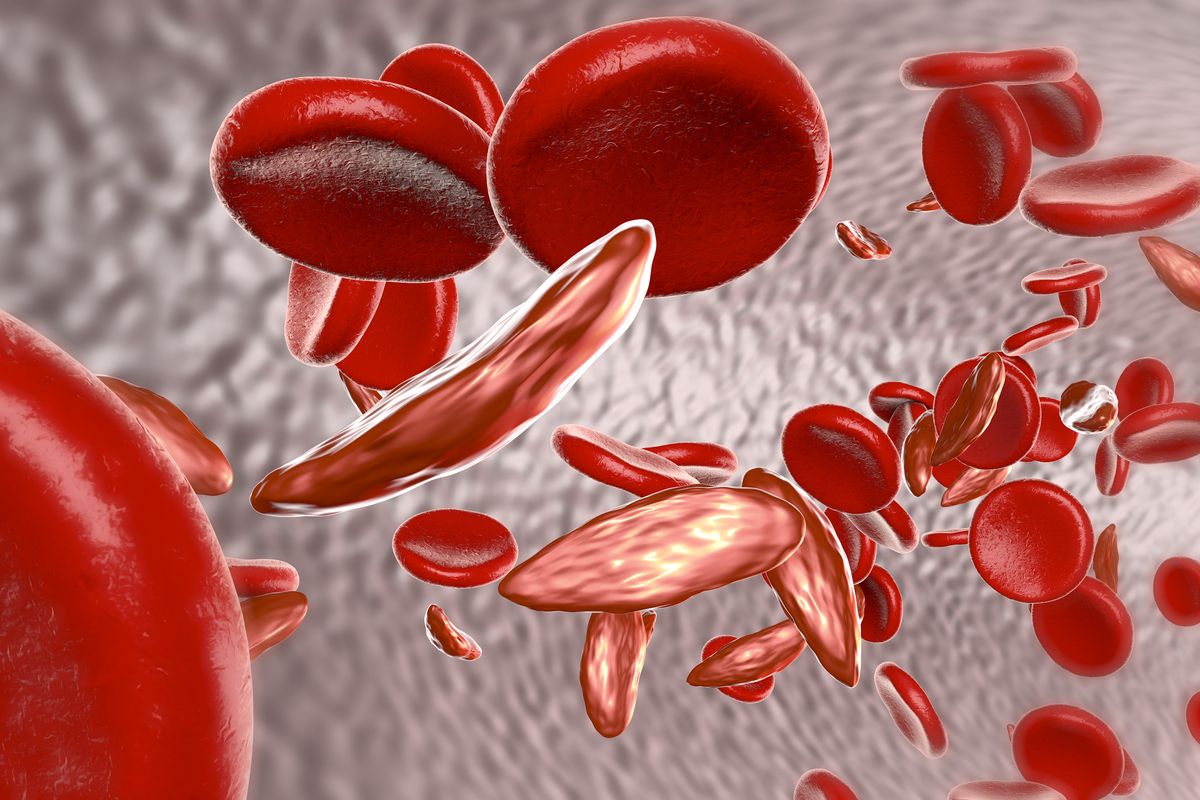
Sickle Cell Disease Management May Overlook Impactful Complications, Study Finds
By Rose McNulty
Advertisement
Latest Videos




CME Content


Advertisement
More News

Expert panelists explore challenges impacting care access for patients with MDS.

In the last 2 years, the Group for Research and Assessment of Psoriasis and Psoriatic Arthritis (GRAPPA) and the European Alliance of Associations for Rheumatology (EULAR) have updated their recommendations to integrate guidance for new treatment options.

A Swedish population-based study adds to data suggesting men have a higher risk of lymphoma and likely higher mortality.

Among the challenges are a lack of reliable biomarkers and resistance in some patients who have squamous cell carcinoma (SCC).

Inhaled corticosteroid (ICS) therapy was not the most appropriate treatment for many patients with chronic obstructive pulmonary disease (COPD) in a review of patient records at 2 US primary care clinics.

The question of whether bone erosion is a feature of Jaccoud arthropathy has remained controversial among persons who have systemic lupus erythematosus (SLE).

The study, which assessed changes in circRNA and miRNA after beginning treatment with secukinumab, revealed a prompt change in circRNA abundance upon initiation of treatment and a strong correlation between circRNA and the psoriasis area and severity index.

This study found that the recent change to remove race from the calculation of estimated glomerular filtration rate (eGFR) may incorrectly label potential donors who are Black as having chronic kidney disease (CKD).

The underlying neural mechanisms identified may help clinicians better understand ketamine response in human patients.

In her final thoughts, Dr Oskouei discusses how patient care may be improved by increased access to biosimilars.
The HUDSON trial is explored by Dr Das as she provides an overview of the study and offers key considerations regarding results.
Experts provide closing pearls regarding the current and prospective treatment landscape of vitiligo.
The panel discusses emerging treatments for vitiligo and addresses opportunities for payers to support implementation.

CheckMate trials 648 and 649 explored various chemotherapy strategies for ESCC and GI cancer treatment.
Syma Iqbal, MD, provides an overview of the KEYNOTE-590 trial and its impact on treatment pathways for ESCC and GI cancers.

Molecular differences may help explain geographic gaps in outcomes.

The exploration of whether early intervention has an impact in psoriasis follows data from other immune-mediated diseases in which evidence is mounting for the benefits of intervening early on in disease duration.

The esteemed panel concludes with their final thoughts on CKD therapies and management.
Drs Feldman, Pitt, and Agarwal describe the common CKD health disparities seen at their institutions and the steps they have taken to address them.
Paul Noble, MD, provides his closing thoughts on payer perspectives surrounding ILD, as well as considerations for the trajectory of ILD treatment landscape.
Nintedanib recommendations for use from the recent ATS guidelines and treatment implementation are considered by Paul Noble, MD.
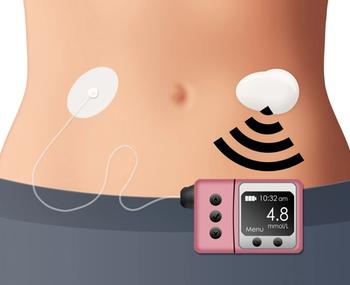
The bionic pancreas uses algorithms to continually adjust insulin doses based on the user’s needs, requiring less user input compared with other existing artificial pancreas technologies.

Despite extensive study, eosinophilic chronic rhinosinusitis (ECRS) remains a significant health problem with few effective treatments, so this study compared periostin levels among those who did and did not have ECRS to assess its potential as a disease biomarker.
Amer Zeidan, MBBS, MHS, navigates prognostic models utilized for considerations surrounding patients with lower-risk and higher-risk MDS.
Ryan Haumschild, PharmD, MS, MBA, leads expert panelists in a conversation exploring the prevalence and clinical burden impact of MDS.
Advertisement
Advertisement
Trending on AJMC
1
TrumpRx Launch Brings Savings—and Uncertainty
2
As Cencora Closes With OneOncology, Patton Says Terms Show “Trust”
3
Benefits, Tradeoffs of Medically Integrated Dispensing in Oncology Care: Katherine Tobon, PharmD, BCOP
4
Exploring Identity, Appearance Experiences Among Patients With Alopecia
5