





Clinical
Latest News
Advertisement
Latest Videos




Advertisement
More News

The individual first received their multiple myeloma (MM) diagnosis in 2019.

The COVID-19 pandemic had a particularly negative impact on the uptake of non–COVID-19 vaccines for adults in some countries. Even countries with great progress in adult vaccination prior to the pandemic saw a decline after the pandemic.

New research suggests that when cancer cells are under stress, cellular chaperone protein GRP78 alters its behavior and migrates to the cell's nucleus, where it modifies gene activities and allows cancer cells to become more mobile and invasive.

Some of the many barriers patients with hidradenitis suppurativa (HS) face include accessing knowledgeable providers, insurance coverage of treatment, and the way the health care system is set up, said Haley Naik, MD, FAAD, associate professor of dermatology, University of California, San Francisco, School of Medicine.

Investigators looked at both primary and metastatic tumors and found correlations between characteristics and patient outcomes.

Forms of localized treatment have potential to positively impact the survival rate and prognosis of men diagnosed with certain forms of metastatic prostate cancer.

The patient was found to have Toxoplasma gondii, a parasitic infection, and died 5 months after his initial diagnosis.

Patient-centered care (PCC) is a major part of a patient’s daily life that addresses their psychological needs, among other needs and preferences. Quality PCC has been recognized as important in clinical practice; however, implementation rates remain comparatively low.

The most common treatments come with significant cardiovascular risk, but study investigators suggest newer options might offer a more favorable risk profile.
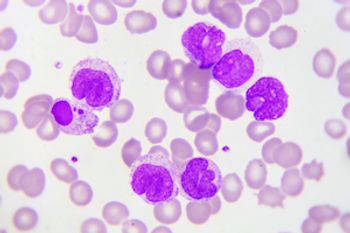
A recent study found that higher spleen volume before undergoing allogeneic hematopoietic stem cell transplantation (HSCT) was associated with worse overall survival and higher nonrelapse mortality incidence in patients with acute myeloid leukemia (AML).

Study authors say the consequences of misdiagnosing osteomyelitis can be severe in the disease setting of sickle cell disease (SCD).

However, few patients with nonthymomatous myasthenia gravis (NTMG) undergo this procedure, results suggest.

Significant mechanobiological advances have not yet been incorporated into oncology treatment, the authors wrote.

Most prostate cancer survivors surveyed reported feeling that telehealth cannot fully replace in-person visits, with perceptions varying significantly based on education level.

This work serves as a step toward better understanding the implications of remote critical care intervention by evaluating levels of tele–intensive care unit decision-making authority.

The findings suggest that circulating N-terminal pro-B-type natriuretic peptide and growth differentiation factor-15, both soluble biomarkers of cardiovascular disease (CVD), may be indicators of the course of myelodysplastic syndromes (MDS) and outcomes.

Outcomes in this new analysis were compared among children aged 6 to 11 years, all of whom had severe atopic dermatitis and were randomized to treatment with dupilumab or placebo for 16 weeks.
The current literature is lacking on outcomes among patients with comorbid chronic rhinosinusitis (CRS) and immunoglobulin deficiencies, especially for those who must use surgery to manage their CRS.

Bispecific antibodies or chimeric antigen receptor (CAR) T-cell therapies are both associated with an increased risk of infection for patients with multiple myeloma (MM), explained Hans Lee, MD, of The University of Texas MD Anderson Cancer Center.

A study that focused on children aged 5 to 12 years who lived in the United States found no difference between atropine 0.01% and placebo in treating myopia progression.

With their final thoughts, the panelists emphasize patient-centered care is at the forefront of critical MS treatment considerations for providers.
A comprehensive look into MS treatment objectives is provided.

Some of the results with biologics and Janus kinase (JAK) inhibitors for atopic dermatitis have been better in practice compared with clinical trials, said Emma Guttman-Yassky, MD, PhD, FAAD, of the Icahn School of Medicine at Mount Sinai.

Patients with small cell lung cancer (SCLC) with fewer than 5 brain metastases fared better than those with more than 5 when treated with stereotactic radiosurgery (SRS).
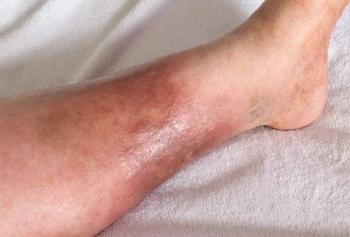
With this study, investigators hoped to advance their understanding of cellulitis-mimicking reactions among patients currently receiving chemotherapy.
Advertisement
Advertisement
Trending on AJMC
1
Medicare Drug Price Negotiations Yield Uneven Out-of-Pocket Savings
2
CMS Rule Ends Medicaid, CHIP Funding for Pediatric Gender Care
3
Rusfertide Keeps Working Where Hydroxyurea Fades: Andrew Kuykendall, MD
4
Oral JAK Inhibitors Boost Hair Regrowth Odds in Alopecia Areata
5