





Clinical
Latest News
Advertisement
Latest Videos




Advertisement
More News

A survey of blood and bone marrow transplant patients found that many who fit current criteria for ocular graft-versus-host disease have not been diagnosed.

The governor of Oklahoma signs the nation's most restrictive abortion ban; vaccination against COVID-19 may not prevent long COVID-19; West Virginia reaches tentative settlement with opioid manufacturers.

Steven Yeh, MD, professor of ophthalmology at the Truhlsen Eye Institute at the University of Nebraska Medical Center, talks about what he sees in the future of suprachoroidal administration and other unmet needs in ophthalmology.

Miruna Sasu, PhD, MBA, president and CEO of COTA Healthcare, discusses 3 ways in which the FDA can provide, and has provided, assistance on the capture of real-word data (RWD) in electronic medical records.

The findings could lead to new insights into how type 1 diabetes develops.

A longitudinal cohort study found that mild albuminuria was associated with cognitive decline, worse baseline cognitive function, and increased risk of incident cognitive impairment and dementia.

On this episode of Managed Care Cast, we bring you an excerpt of an interview with a co-chair of the 2022 Cholangiocarcinoma Foundation (CCF) annual conference, held earlier this year, about the significant unmet therapy needs facing most patients with this rare cancer.

There are an increasing number of targeted therapies in oncology, but challenges around biomarker testing and treatment selection remain.

Abstracts presented at Digestive Disease Week 2022 showed that RBX2660, an investigational microbiota-based drug, was more likely to reduce the recurrence of Clostridioides difficile infection (CDI) compared with placebo.
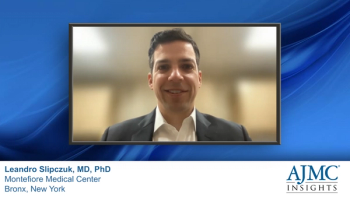
Dr Slipczuk offers strategies for sharing information and guiding appropriate ASCVD treatment both within and outside closed health systems.
Leandro N. Slipczuk, MD, PhD, details his organization’s effort to support uptake of PCSK9 inhibitors in the inpatient setting.

Reversing Pandemic-Era Trends in Alcoholic Liver Disease Requires Empathetic, Multidisciplinary Care
During a State-of-the-Art Lecture at Digestive Disease Week 2022, Jessica L. Mellinger, MD, MSc, explained how the COVID-19 pandemic has driven increases in rates of alcohol use and associated liver disease, as well as what can be done at the clinic, societal, and policy levels to address these trends.

A recent study found that patients with chronic kidney disease (CKD) had a poor prognosis based on glomerular filtration rate (GFR), ankle-brachial index (ABI), and high systolic blood pressure in a 16-week exercise program.

Medical oncologist Jeffrey S. Weber, MD, PhD, spoke with The American Journal of Managed Care® (AJMC®) about how treatment options have improved for more advanced melanoma cases and the role that genetic mutations play in choosing therapy.

Real-world treatment of diabetic kidney disease in the United States, based on national-level health care claims and electronic health records data, is inconsistent with the current guidelines.

Evidence shows that weight loss achieved through bariatric and endoscopic surgery can help treat and reverse nonalcoholic fatty liver disease (NAFLD), but optimal procedure selection and timing vary by patient factors, according to speakers at Digestive Disease Week 2022.
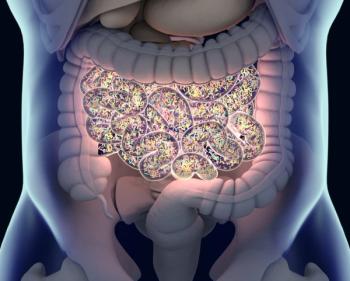
A pair of posters presented at Digestive Disease Week 2022 showed the efficacy of an investigational biotherapeutic in preventing Clostridioides difficile infection recurrence and restoring the microbiome.

A recent study identified TIGIT as a marker of chimeric antigen receptor (CAR) T-cell exhaustion and found it to improve CAR T-cell therapy efficacy in preclinical models.

Differentiation between multiple myeloma (MM) and bone metastases from other cancers can be difficult, but radiomics-based models have potential to improve diagnostic accuracy.
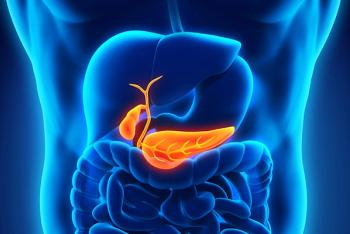
Authors wrote that their analysis was the first to combine incidence and mortality of overall BTC, and its anatomic subtypes, into a single study

This study evaluated levels of 4 biomarkers associated with heart failure with reduced ejection fraction (HFrEF) before and after treatment with the angiotensin receptor neprilysin inhibitor sacubitril/valsartan.

Eosinophilic esophagitis is a chronic inflammatory disorder in which eosinophils, a type of white blood cell, proliferate in the esophagus, causing difficulties with eating and swallowing.

Over 48 weeks, secukinumab was shown to be effective and safe in a small study of 18 children with generalized pustular psoriasis in China.
While suggesting that the disorder be included in the differential diagnosis of thrombocytopenia following vaccination, the group emphasized that the benefits of global vaccination against the virus outweigh the risk of this rare complication.

Payer decision-makers discuss defining value among agents for unintended pregnancy, uterine fibroids, and endometriosis.
Advertisement
Advertisement
Trending on AJMC
1
TrumpRx Launch Brings Savings—and Uncertainty
2
As Cencora Closes With OneOncology, Patton Says Terms Show “Trust”
3
Benefits, Tradeoffs of Medically Integrated Dispensing in Oncology Care: Katherine Tobon, PharmD, BCOP
4
PBM Reforms Signed Into Law, Reshaping Medicare Part D Drug Pricing Transparency
5