



Clinical
Latest News
Advertisement
Latest Videos



Advertisement
More News

Dr Sonia T. Oskouei focuses on automatic substitution in both the pharmacy setting and in patients’ health plans.
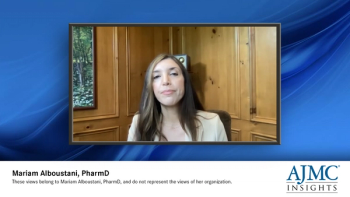
Mariam Alboustani, PharmD, discusses the one published example of a switching study and the implications of interchangeability for pharmacists, as well as payers.
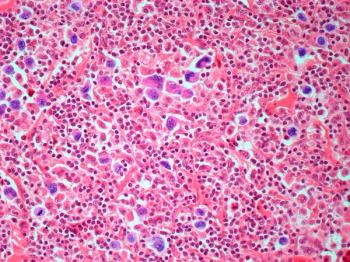
Both the ZUMA-7 trial for axicabtagene ciloleucel—approved for second-line treatment earlier this year—and the TRANSFORM trial for lisocabtagene maraleucel showed significant improvement over standard of care for large B cell lymphoma (LBCL), while the BELINDA trial for tisagenlecleucel did not.

The recommendations follow the World Health Organization’s recent update to its classifications of central nervous system (CNS) tumors to now include a structure for pediatric patients with CNS tumors.
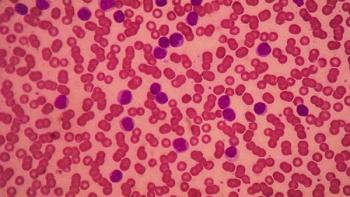
The findings, coming from the phase 3 SEQUOIA study, found that the next-generation, selective Bruton tyrosine kinase inhibitor had superior efficacy versus chemoimmunotherapy and demonstrated an acceptable safety profile among 600 older patients with comorbidities.

Compared with sensor-augmented pump therapy, closed-loop insulin delivery increased glucose time in range and reduced hypoglycemia episodes but detracted from sleep quality.

Previous studies have produced heterogeneous results on next-generation flow (NGF)-based minimal residual disease (MRD) detection, despite improvements to the method’s reproducibility and sensitivity, prompting the present authors to investigate its clinical utility.

The KidneyIntelX test would affect primary care physician (PCP) decision-making, and PCPs would use the results of KidneyIntelX more than albuminuria and estimated glomerular filtration rate when making decisions about diabetic kidney disease management.
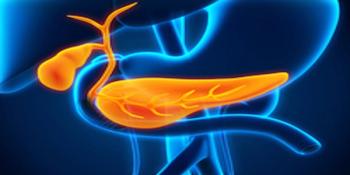
The combination is approved to treat hepatocellular carcinoma (HCC), but this case report suggests it can also work for combined HCC and cholangiocarcinoma (CHC).

Smaller lumen sizes in women resulted in worse respiratory morbidity and mortality in chronic obstructive pulmonary disease (COPD), according to a recent study.

Despite the known potential benefits of newborn screening, the exact long-term clinical benefits and cost-effectiveness in large cohorts remain uncertain due to a lack of large-scale longitudinal research.

Current standard modalities for detecting and quantifying monoclonal immunoglobin in patients with cold agglutinin disease lack adequate sensitivity. Heavy chain/light chain assay may be more effective.

Kanwal Raghav, MD, MBBS, discusses appropriate candidates for HER2 testing and current utilization strategies for biomarker testing in mCRC.
Testing prioritization and frequency are highlighted in Dr Ciombor’s final insights for this HER2 biomarker focus.

Investigators say classification based on magnetic resonance imaging can predict a patient’s risk of recurrence for intrahepatic cholangiocarcinoma (iCCA).

After years of dependence on systemic corticosteroids, ruxolitinib treatment was effective for an adolescent patient with graft-versus-host disease (GVHD) who was initially thought to have eosinophilic gastroenteritis.

This retrospective study and prospective follow-up provide insight into predictors of thrombotic episodes in patients with autoimmune hemolytic anemia (AIHA) and indicators that anticoagulant prophylaxis may be beneficial to certain patients.
Drs Kaddis and Oskouei define interchangeable biosimilars, their FDA requirements, and switching studies.
Atheer Kaddis, PharmD, and Sonia T. Oskouei, PharmD, BCMAS, DPLA, provide an overview of biosimilars and the preparation for future launches on the horizon.

Data presented at the American Society of Clinical Oncology annual meeting found non-White patients are less likely to receive immunotherapy for head and neck cancer, said Amila Patel, PharmD, chief clinical officer, Navigating Cancer.
Jim Januzzi, MD, outlines a multitude of drug treatment options for heart failure revolving around patient ejection fraction (EF) status.
A panel of medical experts open a discussion surrounding heart failure and its prevalence in health care.

The study also found broad tolerability, with 98% of patients remaining on the therapy after 12 months.
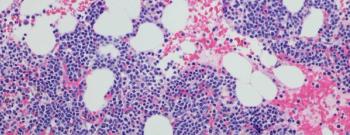
Authors explained how multiple myeloma emerges from earlier clinical phases and the tumor’s microenvironment in the early course of the disease plays a critical role in the survival of myeloma cells.

Clinical trials and targeted agents do not appear to affect health care–related quality of life, however.
Advertisement
Advertisement
Trending on AJMC
1
TrumpRx Launch Brings Savings—and Uncertainty
2
As Cencora Closes With OneOncology, Patton Says Terms Show “Trust”
3
Benefits, Tradeoffs of Medically Integrated Dispensing in Oncology Care: Katherine Tobon, PharmD, BCOP
4
Asundexian Reduces Risk of Stroke Recurrence in Phase 3 OCEANIC-STROKE Trial
5