





Clinical
Latest News
Advertisement
Latest Videos

CME Content


Advertisement
More News

Based on difference-in-difference (DID) analysis, genomics-informed treatment increased time to treatment discontinuation by an estimated 3 months and increased costs by an estimated C$90,000—equivalent to approximately US$72,000—compared with standard care treatment.

No clinical or genetic markers were found to be predictive of psoriatic arthritis in patients with psoriasis, but one laboratory marker was identified.

In part 7 of the Oncology Value Coalition webinar, experts from City of Hope and Highmark discussed telehealth and the role of remote care.
In part 6 of the Oncology Value Coalition webinar, experts from City of Hope and Highmark discussed examples of game-changing therapy in cancer care.
In part 5 of the Oncology Value Coalition webinar, experts from City of Hope and Highmark discussed why AccessHope offers an option to payers and oncologists.
In part 4 of the Oncology Value Coalition webinar, experts from City of Hope and Highmark discussed how the therapeutic pipeline has changed.
In part 3 of the Oncology Value Coalition webinar, experts from City of Hope and Highmark discussed the payer perspective in the rise of genomics.
In part 2 of the Oncology Value Coalition webinar, experts from City of Hope and Highmark discussed how genomics have changed the cancer care landscape.
In the latest Oncology Value Coalition webinar, experts from City of Hope and Highmark discussed designing genomic testing in cancer care.
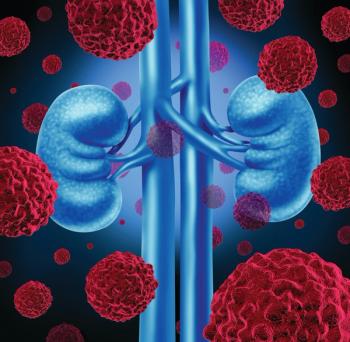
A new study says that treating iron deficiency therapy may improve outcomes in patients with chronic kidney disease, even if they don’t have anemia.

In a recent review, researchers describe what is currently known about allogenic hemopoietic stem cell transplant (HSCT) for myelofibrosis.

Posters presented at the European Hematology Association 2021 Virtual Congress evaluated acute myeloid leukemia (AML) in elderly patients.

A long-term Swedish study found that nonalcoholic fatty liver disease (NALFD) significantly increased mortality in children and young adults, particularly due to cancer, cardiometabolic disease, and liver disease.
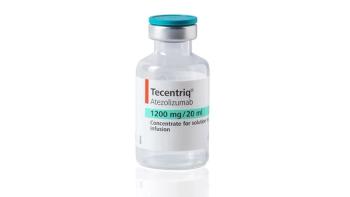
Data from IMpower 130, IMpower 132, and IMpower 150 confirm that combining atezolizumab with chemotherapy is the best first-line treatment in advanced NSCLC when anti-PD-L1 therapy is indicated.

A retrospective analysis of real-world data found a discrepancy between actual care and the recommendations from clinical trials for patients with mantle cell lymphoma, resulting in outcomes that were worse than in trials.
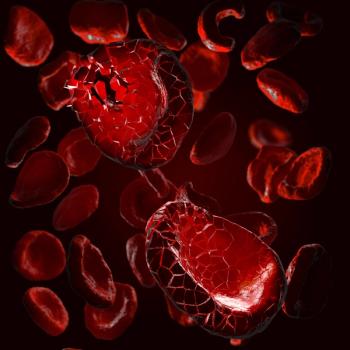
The findings, say the researchers, highlight a need for prognostic models specific to patients with prefibrotic primary myelofibrosis (pre-PMF).

Years of research has shown that in cancers like melanoma, liquid biopsy enables the detection of biomarkers, such as circulating tumor cells, circulating tumor DNA, and exomes.

Manipulating the expression of MAGEA3 can help block the growth of hepatocellular carcinoma.

Topical and intravenous tranexamic acid (TXA) were found to significantly reduce blood loss compared with placebo in patients who have undergone bone surgery, suggesting that both administration methods may be effective at promoting wound healing.

A recent study examined the prevalence and characteristics of 3 atypical pathogens responsible for respiratory tract infections in patients with acute exacerbations of chronic obstructive pulmonary disease (AECOPD), as well as evaluated optimal detection methods.

The National Comprehensive Cancer Network (NCCN) has updated its guidelines for Waldenström macroglobulinemia to include zanubrutinib (Brukinsa) as a preferred regimen.

Based on the prognostic value observed in the study, the researchers suggest that evaluating circulating tumor DNA (ctDNA) status as early as within a week of surgery could aid in risk stratification of patients and decision-making for postoperative management.

The study included over 900 patients with hematologic cancers who were hospitalized with COVID-19, revealing that giving patients plasma from people who have recovered from the virus improved the rate of 30-day mortality.

The company, uniQure, said it is the largest group of patients with hemophilia B to receive a single gene therapy investigational product so far.
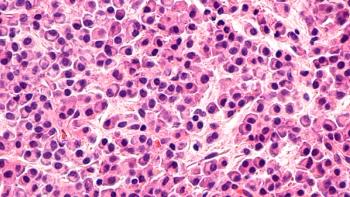
Minimal residual disease, overall response rate, complete response rate, and stringent complete response may be useful as surrogate end points to estimate progression-free survival (PFS) benefit for patients with newly diagnosed multiple myeloma.
Advertisement
Advertisement
Trending on AJMC
1
As Cencora Closes With OneOncology, Patton Says Terms Show “Trust”
2
TrumpRx Launch Brings Savings—and Uncertainty
3
Exploring Identity, Appearance Experiences Among Patients With Alopecia
4
5 Things to Know About the Oral GLP-1 Era
5