


Oncology
Latest News
Advertisement
Latest Videos







Podcasts
Advertisement
More News

Discussion covered lung cancer biomarker testing, care in hematologic malignancies, health equity in cancer screening, and medically integrated pharmacy dispensing

A new study finds that highly lethal cancers receive less research support than lower-risk cancers.

Quality metrics for screening tests must evolve to mandate diagnostic resolution, ensuring financial and clinical incentives prioritize the complete screening continuum over initial test uptake.

Experts at AMCP 2026 urged smarter oncology management amid rising costs, complex therapies, and fragmented oversight across plans.

EBO Editor in Chief Sucharu "Chris" Prakash, MD, addresses the role of nutrition in cancer prevention and treatment.

Prior authorization and PBM utilization management delay oncology and hematology novel therapies, shifting reimbursement risk to patients in Medicare Advantage.

Value-based care in oncology: why CMS’ models have fallen short and how new partners can sustain navigation, symptom monitoring, and savings.

Rapid advances in precision oncology are exposing gaps in testing, treatment access, and care delivery, challenging managed care to keep pace.
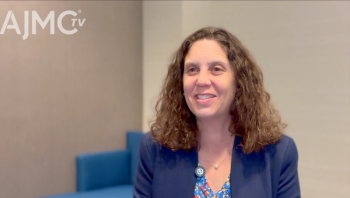
Amy Leader, DrPH, MPH, explains that trust is key to clinical trial enrollment at an Institute for Value-Based Medicine event in Philadelphia.

Lalan Wilfong, MD, a medical oncologist well known for his work in practice transformation, said he looks forward to creating "something more or less from scratch."
Equity gaps in lung cancer molecular testing persist; reflex testing and nurse navigation speed care, while coverage and access barriers stall outcomes

Unmet Health-Related Social Needs Tied to Lower CRC Screening, Especially Among Adults Aged 50 to 64
Housing and transportation barriers were linked to lower CRC screening rates, especially among adults aged 50 to 64.
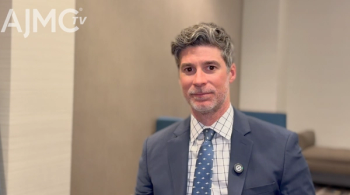
Reflex molecular testing and nurse navigation cut delays in lung cancer care, helping more patients get targeted results before first-line therapy, says Christopher D'Avella, MD.

Nancy L. Lewis, MD, MBS, FACP, discusses her path from the clinic to biopharma and her goals as NCCN's new CSO, including health equity and faster drug development.
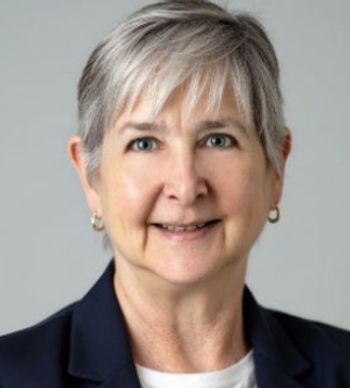
A phase 1 clinical trial specialist, Nancy L. Lewis, MD, MBS, FACP, most recently spent more than a decade at Novartis and was previously a faculty member at Fox Chase Cancer Center and Thomas Jefferson University Hospital.
Social determinants of health can delay access to NGS, limiting targeted therapy use and survival outcomes in advanced cancers.

The law stems from the case of a beneficiary of the state workers health plan, repeatedly denied an alternative cancer treatment, only to be approved after he was too ill to be a candidate.

Adjuvant pembrolizumab maintained recurrence-free survival in resected stage IIB/IIC melanoma without increasing new melanoma risk.

Immunotherapy-related skin adverse events may correlate with improved tumor response and survival, underlining their clinical significance.

Delivering value-based oncology care requires both scientific breakthroughs and deliberate system redesign, experts concurred during this February IVBM in Los Angeles.
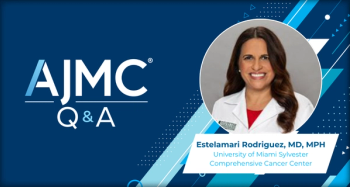
Subcutaneous amivantamab offers faster treatment, fewer infusion reactions, and improved convenience for patients with EGFR-mutated NSCLC, says Estelamari Rodriguez, MD, MPH.

Although they covered diverse topics across the cancer continuum, the event’s 4 panel discussions shared a common focus on advancing more equitable and coordinated care.

Discussions at this February IVBM evening covered advances in biomarker testing in lung cancer to the real-life challenges of maintaining diversity in clinical trials.
The once-daily oral drug improves patients’ lives while maintaining early, durable, and central nervous system responses, says Estelamari Rodriguez, MD, MPH.

Panelists at a Boston Regional Institute for Value-Based Medicine event examined trial diversity, integrated dispensing, and evolving oncology pathways.
Advertisement
Advertisement
Trending on AJMC
1
5 Things to Know About the One Big Beautiful Bill Act
2
Coroner Reports Pennsylvania's Sixth Measles-Associated Death
3
ACA Subsidies End for 189,000 Duplicate or Deceased Enrollees
4
Medicaid Obesity GLP-1 Coverage May Offset Some Diabetes-Labeled Use
5