




Oncology
Latest News
Advertisement
Latest Videos







Podcasts

Advertisement
More News

Discussions highlighted implementing innovative treatments and ensuring patients treated in the community setting have equitable access to advanced therapeutics.

Edgar Chou, MD, explains how oncology teams, primary care, and patients use interoperability to share patient data, improve transitions, and close care gaps.
Pharmacists need better support to manage emotional strain tied to patient suffering, treatment costs, and care decisions, says Karen Fancher, PharmD, BCOP.


The FDA approves Datroway for first-line metastatic triple-negative breast cancer in immunotherapy-ineligible patients.
Breast cancer incidence climbs in young women under 40 and risk-based screening earlier may help reduce this, explains Rani Bansai, MD.
Diana Verrilli, MS, of Navista breaks down the regulatory, payer, and cybersecurity pressures threatening community oncology practices—and maps a path forward.

Community oncology can navigate bispecific therapy rollout with staff training, clear handoffs, and reliable reimbursement, said Lekan Ajayi, PharmD.
Community oncology grapples with the logistics of bispecifics with step-up dosing straining staff and reimbursement, said Lekan Ajayi, PharmD.

New research shows that celebrity endorsements can have a major impact on prescription patterns in the US.
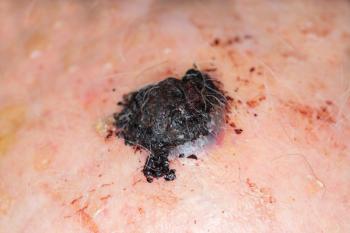
Circulating tumor DNA (ctDNA) detection is linked to worse survival outcomes in resectable melanoma, but high false-negative rates limit its use in surveillance or de-escalation.

Younger patients with early-onset CRC, especially men and racial and ethnic minority groups in urban areas, face a higher risk of cardiovascular death.
Community pharmacists must build scalable workflows as bispecific antibodies move into earlier lines and outpatient settings, notes Brooke Peters, PharmD, BCOP, of AON.
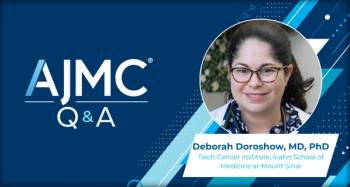
In part 2, Deborah Doroshow, MD, PhD, discusses early clinical trial access, emerging lung cancer therapies, and barriers to equitable access.

Deborah Doroshow, MD, PhD, blends oncology and history of medicine to guide cancer care, emphasizing communication, trust, and health equity.

An NCCN Policy Summit webinar on May 7 warned that cancer care is failing patients, as poor health literacy, misinformation, and digital overload widen gaps in understanding.
Deborah Doroshow, MD, PhD, an oncologist and historian, reflects on guiding patients through cancer care and how lessons from the past shape treatment today.

Eileen Ehret, BS, Navista, focuses on aligning quality improvement with patient safety, engaging all stakeholders, and creating safe spaces to drive change in oncology.
Evidence suggests that adoption of oncology biosimilars in Medicare value-based payment models has produced substantial cost savings and improved provider financial performance.
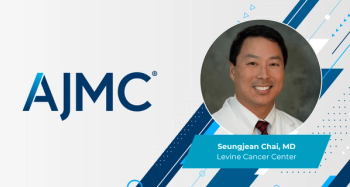
At the IVBM Charlotte event, Seungjean Chai, MD, emphasized that patient-centered design, guidelines, and subspecialty expertise are essential to high-value oncology care.

Experts examined oncology care innovation, access gaps to CAR T-cell therapy, advances in myeloma care, and partnerships in value-based care.
Karen Fancher, PharmD, BCOP, emphasizes a pharmacist’s pivotal role in CLL care through communication, adherence strategies, and bridging patients with medical teams.
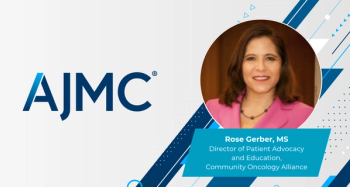
Rose Gerber, MS, explains how listening, personal experience, and small steps can transform patients into powerful advocates for their own care.
Lekan Ajayi, PharmD, explains how remote therapy monitoring keeps patients with cancer on track with their care and reduces emergency visits.
New research incorporating Flatiron Health and SEER data, confirms community oncology care matches or beats other settings, says Diana Verrilli, MS, Navista.
Advertisement
Advertisement
Trending on AJMC
1
5 Things to Know About the One Big Beautiful Bill Act
2
Coroner Reports Pennsylvania's Sixth Measles-Associated Death
3
ACA Subsidies End for 189,000 Duplicate or Deceased Enrollees
4
Medicaid Obesity GLP-1 Coverage May Offset Some Diabetes-Labeled Use
5