


Oncology
Latest News
Advertisement
Latest Videos




Podcasts
Advertisement
More News

Ziftomenib plus intensive chemotherapy produced high response and MRD negativity rates with manageable safety in newly diagnosed AML.

Long-term LUNA3 data showed rilzabrutinib delivered durable platelet responses, reduced bleeding and fatigue, and maintained safety in ITP.

On paper, the OCM cost Medicare millions. A decade later, physicians say its lessons are priceless.

In patients with NSCLC, 3+1 lymph node sampling was not linked to higher postoperative complications, supporting guideline adherence.
Bridget Vazquez, PsyD, breaks down how cancer-related PTSD manifests, why it goes unrecognized, and what patients, caregivers, and clinicians can do.
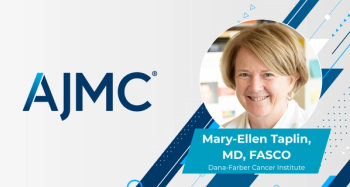
PROTEUS results reshape high‑risk localized prostate cancer care, adding apalutamide plus androgen deprivation before surgery as a new option.
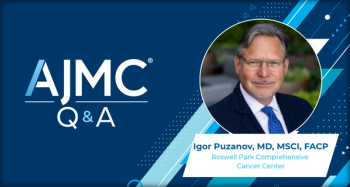
The next frontier, according to Igor Puzanov, MD, MSCI, FACP, includes improving immune toxicity recognition and long-term care.
FDA decisions in May 2026 included 5 major oncology approvals, including first-in-class therapies for breast cancer, AML, MCL, and NMIBC.
Men and urban minority patients with early-onset CRC face elevated CVD death risk, highlighting gaps in survivorship care and research, Meng-Han Tsai, PhD, said.

Structural racism was associated with wider NSCLC survival disparities, with a 10-point Black-White gap in highly segregated counties.
Chemotherapy decisions for young women with HR+ breast cancer and low recurrence scores reveal testing disparities that health systems must address.

An AI-driven review of oncology trials reveals that diversity progress over 30 years is largely an illusion driven by Asian enrollment growth.

Longer-term data support pimicotinib as an effective, well-tolerated option for a rare benign tumor that can cause significant joint disability.
From cardiovascular risk to missed toxicity grading, Igor Puzanov, MD, MSCI, outlines what is failing in checkpoint inhibitor toxicity management.
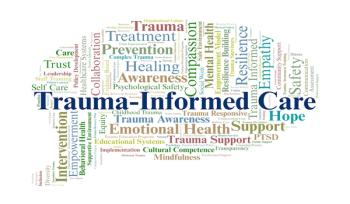
Trauma after cancer is underdiagnosed and often persists into survivorship, with experts urging trauma-informed screening in oncology care.

Community oncology practices face major infrastructure and reimbursement gaps when delivering bispecific antibodies.
Early-onset CRC CVD mortality disparities highlight the need for integrated data and risk-based survivorship care, said Meng-Han Tsai, PhD.

An entirely new approach to treating one of the most intractable cancers could turn it into a chronic disease.
ARACOG trial data highlight cognitive effects of ARPIs in prostate cancer, showing less cognitive decline with darolutamide than enzalutamide, notes Alicia Morgans, MD, MPH.
Updated toxicity criteria improve immunotherapy toxicity management in melanoma, spotlighting rapid action for rare cardiotoxicity, says Igor Puzanov, MD, MSCI, FACP.
According to the ROADS trial, GammaTile cesium-131 brachytherapy boosts local control and survival in brain cancer treatment, matching SRT safety while avoiding radiation delays.
Early palliative care integration in oncology boosts symptom alleviation and quality of life, but access, workforce shortages, and institutional barriers slow referrals.
Durvalumab plus BCG also marks the first new treatment in more than 30 years for high-risk non–muscle-invasive bladder cancer.
Emily Curran, MD, explains how newer immunotherapies are reshaping B-cell ALL treatment for older adults and why 10-year-old assumptions no longer apply.

A population study finds familial melanoma gene variants are more common than thought, linking them to a higher risk of multiple cancers beyond melanoma.
Advertisement
Advertisement
Trending on AJMC
1
5 Things to Know About the One Big Beautiful Bill Act
2
Coroner Reports Pennsylvania's Sixth Measles-Associated Death
3
ACA Subsidies End for 189,000 Duplicate or Deceased Enrollees
4
Medicaid Obesity GLP-1 Coverage May Offset Some Diabetes-Labeled Use
5