






Policy
Latest News
Advertisement
Latest Videos







Podcasts



Advertisement
More News

Experts reflect on opioid policy impacts, IRA reforms and insulin caps impact drug access, and oncology leaders advance more equitable, integrated cancer care.

A new analysis projects that millions will lose Medicaid expansion coverage—including many who are working, exempt, or have serious health needs.

A decade after the CDC opioid guidelines, Michael Lynch, MD, examines misapplication, fentanyl’s role, and evolving pain management strategies.

The authors assess use of the novel assistant physician (AP) pathway and examine Missouri regulatory changes. They find limited supply impacts of APs and discuss implications.

John Barkett, MBA, discusses how health care price transparency can affect both patient out-of-pocket costs and overall health care spending.

New studies show 2024 IRA Medicare drug caps and expanded subsidies cut cost-related nonadherence, especially for those with chronic disease.

Experts discuss how CDC opioid guidelines reduced prescribing but led to misapplication, affecting patient care and access to pain treatment.

Making health care prices public was supposed to cut costs. The reality is more complicated.

March marks the 10th anniversary of the CDC's opioid prescribing guidelines for patients with chronic pain, which were later updated to expand their scope.

The standards under this rule will save providers time on paperwork, letting them focus more on patients, says CMS Administrator Mehmet Oz, MD, MBA.
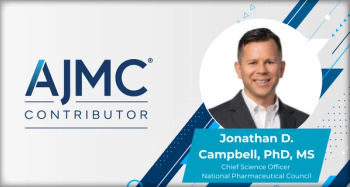
Discussions about drug pricing require consideration of values and preferences, according to Jonathan D. Campbell, PhD, chief science officer of the National Pharmaceutical Council.
One in 4 Medicaid managed care organization sanctions are not remediated, revealing inconsistent state and federal oversight and the need to standardize CMS reporting and enforcement guidelines.

Fred D. Lublin, MD, discusses therapy sequencing, deescalation, health equity, and the future of multiple sclerosis (MS) care delivery.

A federal court blocked RFK Jr's vaccine agenda, freezing the ACIP shakeup and safeguarding child vaccine access as the legal fight over vaccines intensifies.

Researchers find that epigenetic changes from the famine caused CV and mental health effects for 3 to 4 generations on both sides of the Atlantic.

Rising global temperatures are silently driving a sedentary crisis, and the world’s most vulnerable populations are paying the steepest price.

Experts examine MFN pricing, the Great Healthcare Plan, ACA subsidies, PBM reform, and CMS talks in 2026.

Michael Bernstein, MD, discusses how AI-assisted radiology workflows affect liability, automation bias, and patient safety in diagnostic imaging.

Accountable care experts say the future of value in Medicare will rely on scaling up innovation, emphasizing downstream prevention, and staying alert to waste.

Peter Staley at CROI 2026 on defending 45 years of HIV progress: how clinicians, payers, and advocates can resist—quietly or publicly—and why it matters.

This commentary examines pressures driving cardiology consolidation, the risks of private equity, and strategies to sustain independent practice while ensuring patient-centered, cost-effective cardiovascular care.
Fred D. Lublin, MD, discusses evolving concepts in MS, including earlier high-efficacy therapy, unrecognized progression, and emerging outcome measures.

A mock jury study suggests AI-assisted double reads may reduce perceived radiologist liability in malpractice cases.
Susan Cantrell, CEO of AMCP, discusses the impact of the CDC's recent changes to the childhood immunization schedule and the role of managed care pharmacy in addressing them.

As Medicare Advantage grows, first-time enrollees demonstrate increasing demographic and clinical diversity, indicating that benefits should be designed to reflect the population’s changing composition.
Advertisement
Advertisement
Trending on AJMC
1
Delayed Dupilumab Raises Asthma Costs 32%: Nicola Hanania, MD
2
Regorafenib Prescribing in Advanced GIST Deviates From Guidelines
3
Which Antibiotics Raise C. Diff Risk Most? Jason Pogue, PharmD
4
A Patient-Centered Reconstruction of 340B in Oncology: Transparency, Equity, and Site-of-Care Accountability
5