





Technology
Latest Content
Advertisement
Finding the Best Path Forward for Adoption of Prescription Digital Therapeutics
Delve into the current state of prescription digital therapeutics (PDTs) adoption and uncover strategies for increasing payer approval and achieving widespread coverage of PDTs.

Latest Videos









Advertisement
More News

Efforts aim to protect health sector from rising threats; chronic anxiety nearly triples dementia risk; patients report overdoses up to 20 times the prescribed dosage of compounded semaglutide.

Artificial intelligence (AI) models have potential to help clinicians assess risk in patients with hepatocellular carcinoma (HCC) to inform disease management, a new study found.

On this episode of Managed Care Cast, we're talking with Jason Spangler, MD, MPH, CEO of the Center for Innovation and Value Research on equity challenges within health technology assessment.

Liz Kwo, MD, MBA, MPH, chief commercial officer, Everly Health, and faculty lecturer, Harvard Medical School, discusses current and future uses in digital health care.
Efforts to regulate social media for youth face resistance; MK-1654 meets key goals in mid-to-late stage trial; active drug shortages remain above 300 for sixth consecutive quarter.

Patients with atrial fibrillation who use wearable devices, like Apple Watches and FitBits, report higher anxiety levels and increased health care usage than nonusers.
Liz Kwo, MD, MBA, MPH, chief commercial officer, Everly Health, and faculty lecturer, Harvard Medical School, discusses ways that wearable devices and health apps are improving value-based care.

Andrew Cournoyer discusses how introducing payers into clinical trials earlier could help make the introduction of new technologies into the space more efficient and less time-consuming.

Almost half of all Americans struggle to afford quality health care and prescription medications; the cyberattack on UnitedHealth Group's Change Healthcare unit will cost the company between $2.3 billion and $2.45 billion in 2024; CMS releases the final part 2 guidance for plan outreach and education for the Medicare Prescription Payment Plan.

A remote monitoring app with alerts for doctors did not improve medication adherence in patients with breast cancer, but those receiving tailored text messages on top of monitoring saw reduced high-cost health care use.
Up to one-third of Americans have been affected by data stolen through the Change Healthcare cyberattack; research highlights potential cognitive and psychiatric benefits of semaglutide; over 40 Iowa hospitals have ended their labor and delivery services.

Kelly Harris, APRN, an advanced practice registered nurse at Cincinnati Children's Hospital Medical Center, discusses using mobile care units to deliver dermatology care and education to underserved communities and how health systems can implement them.

Faye Brown Explains How Technology Can Be Used to Elevate Dermatology Triage Systems
Published: | Updated:
At the Society for Pediatric Dermatology annual conference, Faye Brown, MSN, APRN, FNP-BC, a family nurse practitioner at the University of Colorado School of Medicine, highlights how telemedicine efforts can be utilized within dermatology triage systems to better care for pediatric patients.

A presentation at the Society for Pediatric Dermatology Annual Conference discussed how to use generative artificial intelligence (AI) to improve processes while working in the dermatology space.

Researchers collected feedback from 20 clinicians implementing a telehealth serious illness conversation (SIC) with their patients with acute myeloid leukemia (AML) and myelodysplastic syndrome (MDS).
Researchers link vaccination and reduced asthma symptoms; providers warn against overburdening and security risks; insurers’ practices lead to questionable diagnoses

Patients with dry eye disease can be distinguished from patients with healthy eyes using a new artificial intelligence tool.

Michael A. Choti, MD, MBA, Banner MD Anderson, cochaired the second annual Advancing Value-Based Oncology Care meeting and shared insights into the goals of this year's event and value-based medicine as a whole.
Liz Kwo, MD, MBA, MPH, chief commercial officer, Everly Health, and faculty lecturer, Harvard Medical School, shares important tips on how artificial intelligence (AI) can best be implemented into value-based care.

The announcement followed the release of the RhodoLED XL red light-emitting lamp, to be used in combination with aminolevulinic acid hydrochloride topical gel, 10% for actinic keratoses.

A new study highlights the potential of technology to aid in type 1 diabetes (T1D) management by balancing minimal user input with significant data output to improve user engagement and time in range.
What We’re Reading: Surging Global Dengue Cases; EHR Blocking Ban Finalized; Weight-Loss Drug Access
The CDC issued a warning to doctors on Tuesday to look out for dengue cases amid a global surge; HHS has finalized disincentives to prevent health care organizations from unreasonably blocking the exchange of electronic health record (EHR) information; patients in some states, like West Virginia, cannot afford weight-loss medications due to the high costs and lack of insurance coverage.
Change Healthcare will begin notifying individuals whose data may have been exposed when hackers disrupted the claims processing system; experts advocate for early diagnosis of gestational diabetes to mitigate risks for both mother and child; researchers worry that the slow rollout of bird flu tests may hinder outbreak detection and response.
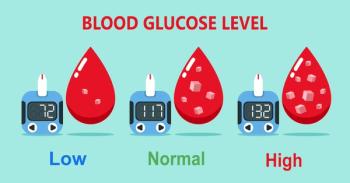
Notably, adolescents and young adults (AYA) living with type 1 diabetes (T1D) who reported more comfort with self-management tended to have worse glycemic control.

Researchers have found that specific genetic markers may increase the risk of cardiovascular adverse effects in patients using Bruton’s tyrosine kinase (BTK) inhibitors.
Advertisement
Advertisement
Trending on AJMC
1
IDWeek Studies Tie RSV, Flu, and COVID-19 to Harm After Acute Illness
2
Povetacicept Cuts Proteinuria by 52% in IgA Nephropathy at Week 36
3
Nephrologists Weigh Wins, Losses From 5 Years of Value-Based Kidney Care
4
Merck, Moderna Cancer Vaccine Cuts Melanoma Recurrence Risk by 42%
5