
Commentary|Videos|June 16, 2026
Access Barriers, CPAP Reluctance Drive Interest in Home-Based Sleep Apnea Solution
Fact checked by: Brooke McCormick
Referral hurdles, months-long sleep testing waits, and CPAP reluctance delay OSA care; at-home screening and oral appliances expand access.
Advertisement
Three persistent barriers are preventing patients with
Kate Willis, vice president of government and provider strategy at Daybreak, identified referral requirements, lengthy wait times, and limited treatment options as the primary
"The mental health is still progressing and deteriorating, so you've got that lag in wait time," Willis said.
Perhaps equally significant is patient resistance to the dominant treatment option. Many patients avoid testing altogether because they anticipate being prescribed continuous positive airway pressure (CPAP) therapy, a prospect that deters enough patients that some say they would rather remain undiagnosed.
"I've heard a lot of patients say, ‘I'd rather kind of not know,’" Willis explained. "‘I don't want to get tested because I know that ultimately what I'm going to end up with is CPAP.’"
Martin Hopp, MD, PhD, an otolaryngologist and sleep specialist at Cedars-Sinai Medical Center and medical director of Daybreak, emphasized that diagnostic delays compound the problem. Patients rarely arrive at a physician's office and leave with a diagnosis in a single visit; they must navigate multiple referrals before any treatment can begin.
Daybreak's model aims to short-circuit that process. The platform uses a noninvasive, at-home oximetry device worn on the finger for 2 nights; results are reviewed by a physician, and a dentist then assesses the patient for a custom oral appliance. Willis reported that more than 90% of Daybreak patients use their device daily, compared with fewer than 50% for CPAP.
"You can go ahead and get some treatment very effectively with this system," Hopp said, adding that the platform was developed specifically in response to the recognized problem of access and diagnostic delay.
Advertisement
Related to this article

At IDWeek 2026, IDSA and HIVMA leaders and clinician advocates outline how stories, relationships, and bipartisan outreach shape ID and HIV policy.

At IDWeek 2026, Atul Gawande, MD, MPH, said USAID cuts are costing lives but that the field is "not back at square one."

Oncologists weighted how to choose, manage, and deliver new therapeutics beyond major academic centers.

Speakers at ASN Kidney Week urge nephrologists to appeal prior authorization denials, include children in trials, and expand access to glomerular disease therapies globally.

Insurance barriers were the top reason 4 in 10 people prescribed long-acting PrEP at a Missouri clinic never received it, an IDWeek 2026 poster found.
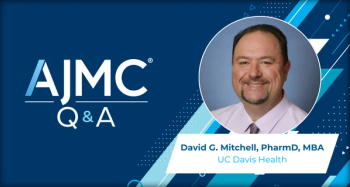
David G. Mitchell, PharmD, MBA, CSP, FCPhA, of UC Davis Health, explains how AI-assisted prior authorizations have reduced denials and staff time without replacing pharmacist judgment.

As CKCC nears its sunset, kidney care leaders urge CMS to preserve a dedicated, nephrologist-led accountable care model for advanced kidney disease.

A 35-year Danish registry study found MACE declined in every income quartile, but the lowest earners kept higher rates than top earners throughout.
Advertisement
Advertisement
Trending on AJMC
1
Merck, Moderna Cancer Vaccine Cuts Melanoma Recurrence Risk by 42%
2
Real-World AMKD Data Highlight Quick Progression, Unmet Needs
3
IDWeek Studies Tie RSV, Flu, and COVID-19 to Harm After Acute Illness
4
Former USAID Health Chief Says Aid Cuts Are Costing Children's Lives
5