

Opinion|Videos|March 18, 2026
Optimizing Subcutaneous Therapies in NSCLC: Practical Integration, Patient Selection, and Workflow Considerations
Subcutaneous cancer therapy trims chair time and costs, but volume limits and reactions matter—learn how clinics streamline workflows.
Advertisement
Episodes in this series
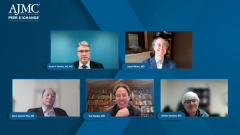
This episode, titled Optimizing Subcutaneous Therapies in NSCLC: Practical Integration, Patient Selection, and Workflow Considerations, features oncology experts discussing the following critical questions:
What are the strengths and limitations of subcutaneous therapies when compared with IV therapies in lung cancer?
Where are you currently incorporating the different subcutaneous therapies into your treatment algorithms for patients with NSCLC?
How might training, education, and workflows need to evolve as more subcutaneous oncology drugs enter the market?
Led by Dr. Martin Dietrich, Drs. Dowlati, Weiss, and Niu examined subcutaneous (SC) therapies, which offer several advantages over intravenous (IV) administration in NSCLC, including shorter administration time, reduced need for infusion resources, greater patient convenience, and the potential for improved clinic workflow efficiency. In the adjuvant setting, where treatment is potentially curative, SC formulations can enhance patient adherence and quality of life without compromising efficacy, making them particularly attractive for long-term therapy. Current incorporation of SC therapies in clinical practice often prioritizes patients who face barriers to frequent IV infusions, such as those with limited mobility, travel constraints, or preference for shorter visits. Patients with comorbidities requiring close monitoring or those with complex infusion reactions may still benefit more from IV therapy due to flexibility in dose adjustments and rapid management of adverse events.
As more SC oncology drugs enter the market, training and education for both clinical staff and patients will need to evolve, emphasizing proper administration techniques, recognition of injection-site reactions, and monitoring for systemic immune-related toxicities. Workflow adaptations may include restructured clinic schedules, patient self-administration protocols, and telehealth follow-up to optimize convenience while maintaining safety. Overall, SC therapies expand flexibility in NSCLC management, supporting personalized treatment delivery while balancing efficacy, safety, and patient-centered considerations.
Throughout the conversation, the experts provide a comprehensive reflection on the field and the factors that may shape how clinicians approach care moving forward.
In the next episode, Overcoming Barriers and Future Integration of Subcutaneous Therapies in Lung Cancer, panelists will continue their discussion on the management of lung cancer.
Advertisement
Related to this article
Michael Mina, MD, PhD, explains which adverse events drove VYD2311's edge vs an mRNA COVID-19 vaccine and who may benefit most.

Panelists engaged in a debate regarding using complement inhibitors in geographic atrophy, gauging public sentiment with a deciding vote.

A session at AAO 2026 highlighted how big data and minimally invasive glaucoma surgery (MIGS) could be utilized to help patients receive peak care.

Medicaid expansion was associated with lower colorectal cancer mortality, with the largest reductions in Hispanic patients and stage IV disease.
Cepheid's Connie Savor, MD, MBA, explains where its 13-pathogen respiratory panel fits in diagnostic stewardship and antibiotic decisions.

The FDA approves atezolizumab with a fluoropyrimidine and oxaliplatin as adjuvant therapy for stage III dMMR colon cancer based on the ATOMIC trial.
Michael Mina, MD, PhD, explains Invivyd's accelerated approval path for VYD2311 and how it could change the timing of COVID-19 protection.

Biomarker-driven care is advancing in mantle cell lymphoma, though cost and infrastructure limit access in community oncology, according to a review.
Advertisement
Advertisement
Trending on AJMC
1
MASH Fibrosis, Not Resolution, Predicts Mortality: Zobair Younossi, MD
2
Keynote Address Tackles AI’s Role in Health Care, Eye Care
3
Full POLARGO Data Reveal OS, Safety for Pola-R-GemOx in DLBCL
4
5 Things to Know if Retatrutide Is Classified as a Biologic
5