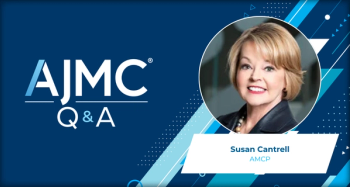
CEO Susan Cantrell previews AMCP Nexus 2026, discussing AI, drug pricing, emerging therapies, and a decade of change in managed care pharmacy.
Katelyn B. Meyer, PharmD, discusses how payers can prepare for emerging specialty therapies, from cell and gene therapies to costly oncology drugs.
In an interview at the
The session will examine how pipeline products in areas such as cell and gene therapy,
In this clip, Meyer noted that off-label coverage is a challenge across many drugs. Specialty treatments draw particular scrutiny, however, because they often address significant unmet needs and carry
Meyer advised payers to identify the nearest qualified treatment center, particularly because state Medicaid programs without an in-state center must arrange single-case agreements, and patients may need to travel out of state for treatment. She also recommended that payers establish a plan to follow up with patients 1 to 2 years after approval to better understand their experiences and identify potential barriers, citing manufacturing challenges that have delayed treatment for MassHealth members.
Meyer distinguished true therapeutic advances, which improve overall survival, efficacy, or safety, from line extensions, such as oncology products reformulated with hyaluronidase for subcutaneous administration. These formulations can shorten a 4-hour infusion to roughly 10 minutes, but payers must consider whether the time saved represents meaningful value for the health care system, she said.
Looking ahead at the specialty pipeline, Meyer said she is watching
"Because there is such substantial progress in science in the oncology space, and we are moving towards curing more cancer, that's an area I'm watching, but also just because of the astronomical price tags and the downstream impact on payers like Medicaid," Meyer said.