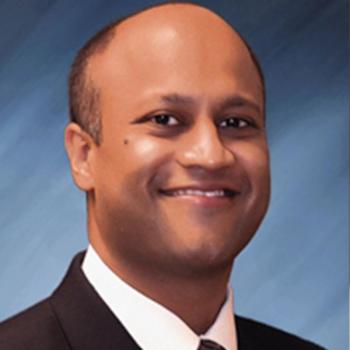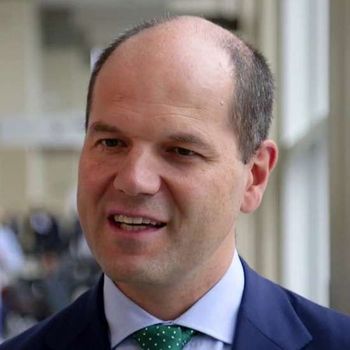
Kenneth Cohen, MD, FACP, executive director of clinical research at UnitedHealth Group Research and Development and senior national medical director at OptumCare, discusses evidence-based education and other tools to address low-value care.
Mary Caffrey is the Executive Editor for The American Journal of Managed Care® (AJMC®). She joined AJMC® in 2013 and is the primary staff editor for Evidence-Based Oncology, the multistakeholder publication that reaches 22,000+ oncology providers, policy makers and formulary decision makers. She is also part of the team that oversees speaker recruitment and panel preparations for AJMC®'s premier annual oncology meeting, Patient-Centered Oncology Care®. For more than a decade, Mary has covered ASCO, ASH, ACC and other leading scientific meetings for AJMC readers.
Mary has a BA in communications and philosophy from Loyola University New Orleans. You can connect with Mary on LinkedIn.

Kenneth Cohen, MD, FACP, executive director of clinical research at UnitedHealth Group Research and Development and senior national medical director at OptumCare, discusses evidence-based education and other tools to address low-value care.

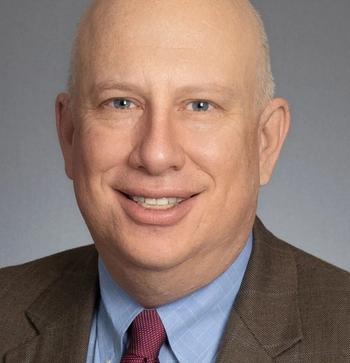
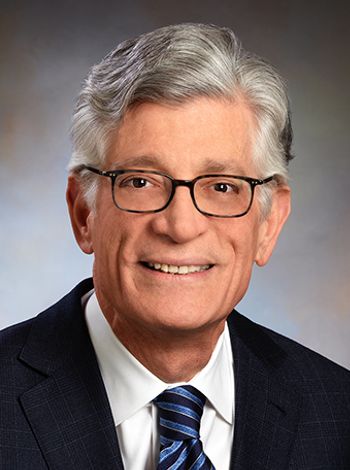
Steven Pergam, MD, MPH, director of infection prevention at Seattle Cancer Care Alliance and infectious disease physician at Fred Hutchinson Cancer Research Center, discusses delayed booster vaccines and potential fourth doses for people who are immunosuppressed.

Cardinal Health's report, “2022 Biosimilars Report: The U.S. Journey and Path Ahead,” outlines how biosimilars will move beyond their comfort zones in oncology and rheumatology and more boldly into therapeutic areas such as ophthalmology and diabetes care.

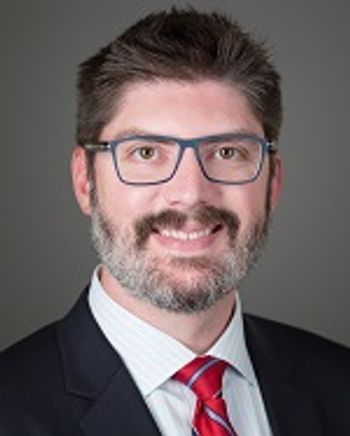
Sunil Verma, MD, senior vice president and global head of oncology, medical at AstraZeneca, explains the background and results of the TOPAZ-1 study.

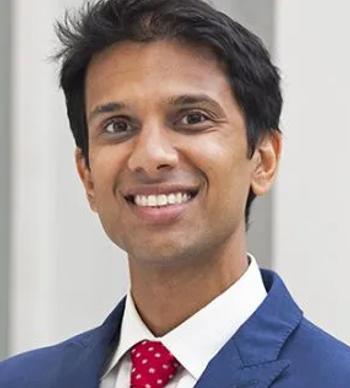
Sunil Verma, MD, senior vice president and global head of oncology, medical at AstraZeneca, summarizes the benefits and safety findings discovered in the HIMALAYA study.

The Oncology Care Model (OCM) is set to expire June 30, 2022. With no successor on the horizon, respondents to a recent survey by the Community Oncology Alliance (COA) say features such as dedicated navigators and weekend appointments could be reduced or lost if revenues that supported them are eliminated.

Sunil Verma, MD, senior vice president and global head of oncology, medical at AstraZeneca, explains the design of the HIMALAYA study, including the dosing strategy used.

A presentation at the 63rd American Society of Hematology (ASH) annual meeting explored the collection of real-world data.

The 63rd American Society of Hematology (ASH) Annual Meeting and Exposition featured leading experts who discussed research on multiple myeloma.

Ongoing and new developments in chimeric antigen receptor (CAR) T-cell therapies were covered at the 63rd American Society of Hematology (ASH) annual meeting.

Clinical trial results in the leukemia and lymphoma space were covered at the 63rd American Society of Hematology (ASH) annual meeting.

Disparities and inequities in care were topics of interest at the 63rd American Society of Hematology (ASH) annual meeting.

Featuring abstracts from the Association of Community Cancer Centers, US Oncology, City of Hope, and Florida Cancer Specialists & Research Institute.

Zanubrutinib is a second-generation Bruton tyrosine kinase (BTK) inhibitor that has fewer off-target effects and less cardiotoxicity than ibrutinib, a first-generation BTK inhibitor.

There has not been a change in the standard of care in this type of cancer in a decade, according to an expert from ASCO.

Merck had previously received accelerated approval for pembrolizumab for patients with advanced hepatocellular carcinoma (HCC); an FDA panel left the approval in place while waiting on results from KEYNOTE-394.

Stephen Schleicher, MD, MBA, and Natalie Dickson, MD, discuss their new roles as chief medical officer (CMO) and chief strategy officer (CSO), respectively, at Tennessee Oncology.

Kenneth Cohen, MD, FACP, executive director of clinical research at UnitedHealth Group Research and Development and senior national medical director at OptumCare, explains why low-value care still exists and how the COVID-19 pandemic has affected the issue.

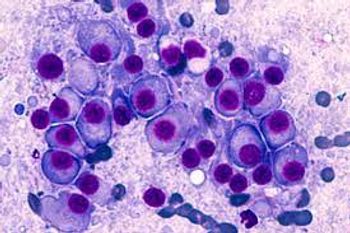
Can daratumumab be taken safely as a maintenance therapy? Will quadruplet therapy become more common in the treatment of newly diagnosed multiple myeloma (NDMM)?

For patients with multiple myeloma (MM) who are not eligible for transplant, should novel treatments be used right away? Or should clinicians save the best potential therapies for relapses, which are inevitable with this disease?

Studies have shown that administering trilaciclib prior to chemotherapy can reduce myelosuppression and improve health-related quality of life. Jerome Goldschmidt, MD, said future studies will look at how it interacts with immunotherapy.

Steven Pergam, MD, MPH, director of infection prevention at Seattle Cancer Care Alliance and infectious disease physician at Fred Hutchinson Cancer Research Center, describes the shifts in COVID-19 recommendations for patients with cancer and those receiving CAR T-cell therapy.

Steven Pergam, MD, MPH, director of infection prevention at Seattle Cancer Care Alliance and infectious disease physician at Fred Hutchinson Cancer Research Center, discusses the National Comprehensive Cancer Network's (NCCN) preference for mRNA vaccines and how they work differently.

Kenneth Cohen, MD, FACP, executive director of clinical research at UnitedHealth Group Research and Development and senior national medical director at OptumCare, describes the main challenges to identifying, measuring, and reducing use of low-value care and the granular data needed to solve these challenges.

Steven Pergam, MD, MPH, director of infection prevention at Seattle Cancer Care Alliance and infectious disease physician at Fred Hutchinson Cancer Research Center, explains the National Comprehensive Cancer Network (NCCN) update on COVID-19 vaccines and prevention.

The update recommends that patients who receive CAR T-cell therapy wait 3 months before getting a COVID-19 vaccine.

Articles on advances in immuno-oncology and non-small cell lung cancer were popular with readers in the past year.

Adriaan Voors, MD, professor of cardiology and director of the Heart Failure Clinic, University Medical Center Groningen, the Netherlands, explains why patients provided sodium-glucose co-transporter 2 (SGLT2) inhibitors in hospitals may be unable to continue the medication after discharge.

Coverage from the 2021 COA Payer Exchange Summit.

Coverage from the 2021 COA Payer Exchange Summit.

259 Prospect Plains Rd, Bldg H
Cranbury, NJ 08512
© 2025 MJH Life Sciences®
All rights reserved.