

Data on nusinersen’s safety profile in adult patients are more limited than in infant and adolescent patients, but a recent study showed positive results based on cerebrospinal fluid and blood sample parameters.

Rose is an editorial director at The American Journal of Managed Care® (AJMC®).
She has a BA in journalism & media studies and Spanish from Rutgers University. You can connect with Rose on LinkedIn.
Data on nusinersen’s safety profile in adult patients are more limited than in infant and adolescent patients, but a recent study showed positive results based on cerebrospinal fluid and blood sample parameters.
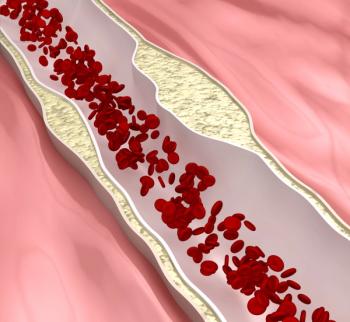
A recent review highlighted the importance of managing cardiovascular risk factors in patients with Fabry disease versus the general population.

A recent review examined the significant physical, social, emotional, and financial impacts of acid sphingomyelinase deficiency (ASMD) on patients and caregivers from an overall lifestyle standpoint

A small, single-center study determined that adequate support at home affected outcomes in motor ability more so than the first COVID-19 lockdown in Italy.

Results of a retrospective claims database analysis suggest that adherence to scheduled intrathecal nusinersen injections may lead to improvements in comorbidities, health care utilization, and costs for spinal muscular atrophy (SMA) types 1, 2, and 3.
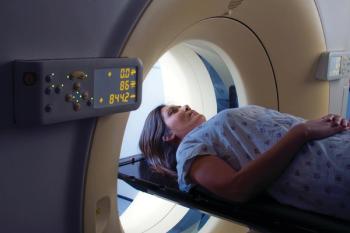
Imaging studies and subsequent biopsies of a liver lesion showed a foamy macrophages aggregate in a 30-year-old patient with acid sphingomyelinase deficiency (ASMD) similar to those found in Gaucher disease.

As spinal muscular atrophy (SMA) treatments advance, new biomarkers that correlate with clinical outcomes are needed to gauge treatment response.

Multiple comorbidities and medications are prevalent in older cancer populations, who may benefit from structured medication reviews by specialist geriatricians.
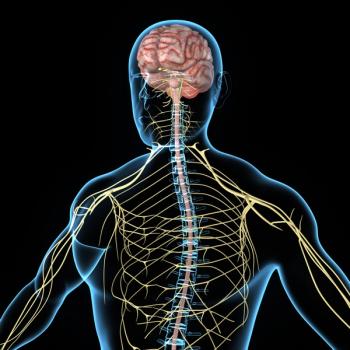
The single-center study explored cerebrospinal fluid neurofilament and protein levels in patients with spinal muscular atrophy (SMA) undergoing treatment with nusinersen in an effort to identify useful biomarkers as treatment options expand.
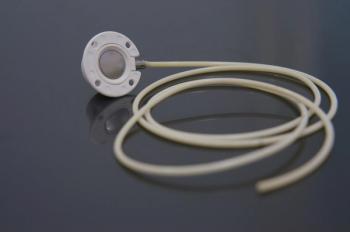
Intrathecal drug administration via lumbar puncture and a spinal access port device led to serious complications in a patient receiving experimental therapy for Niemann-Pick type C.
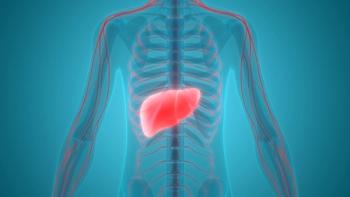
Niemann-Pick type C has historically been considered a contraindication to liver transplantation due to neurological delays, but a recent case report suggests this thinking may be outdated.

A pan-cancer reference atlas provides a framework for an immune-based patient stratification that study authors expect to be predictive for patient prognosis and immunotherapy response at an elevated level after further studies.
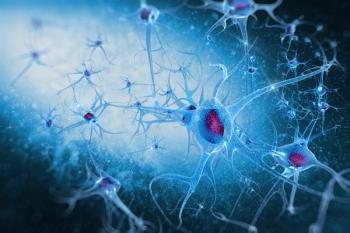
The MScanFit method assessed changes in motor unit configuration in adult patients undergoing treatment for spinal muscular atrophy (SMA).
A review of current molecular and electrophysiological biomarkers in spinal muscular atrophy (SMA) concluded that more exploration is necessary to find noninvasive, yet accurate, measures of disease progression and therapy response.
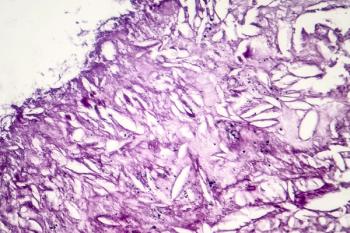
Autologous tumor lysate particle-loaded dendritic cell (TLPLDC) vaccination is well-tolerated in combination with other immunotherapies, but further research is needed to confirm its efficacy.

A recent study compared intelligence quotient test scores between adult patients with spinal muscular atrophy (SMA) and healthy adults.

New retrospective research found that basal and squamous cell cancers increased by 30% over 15 years.
A novel indwelling subcutaneous intrathecal catheter circumvented the complex spine anatomy of patients with spinal muscular atrophy (SMA), a challenge when giving nusinersen via intrathecal injection.
A large cohort study aimed to find out whether tumor-infiltrating lymphocytes, an important biomarker in melanoma, could be an independent prognostic factor for overall survival.

A review of advances in spinal muscular atrophy (SMA) identification and treatment highlights areas where there is room for improvement.

A retrospective study on the combination of a vascular endothelial growth factor receptor inhibitor plus programmed cell death-1 blockade added to evidence of efficacy in early trials.

Biomarkers for spinal muscular atrophy are needed to further analyze treatment efficacy, and a recent study points to serum neurofilament light chain levels as a possible option.

Pain is a hallmark of many Fabry disease cases, and improvements in management could dramatically improve quality of life for patients.

Despite excellent prognoses in low-risk patients with essential thrombocytopenia (ET) and polycythemia vera (PV), knowledge gaps remain and novel, more tolerable therapies require reevaluation of treatment algorithms.

A review of current research and drug development in motor neuron disorders such as amyotrophic lateral sclerosis and spinal muscular atrophy shows progress in the identification of treatment pathways and therapies.

In patients with BRAF-mutated melanoma, achieving a complete response and circulating tumor DNA negativity are promising prognostic markers.

A review of instruments used to assess upper-limb function in patients with neuromuscular diseases found that more tools are needed to address specific diseases.

A recent review of viral gene therapy in pediatric neurological diseases included positive outcomes in patients with spinal muscular atrophy (SMA).

Combination CDK4/6 and MEK inhibitor treatment reduced tumor growth in mouse models of melanoma with acquired resistance to BRAF and MEK inhibition.

The largest known prospective study of patients treated with trametinib plus dabrafenib for unresectable advanced melanoma with BRAF-V600 mutation confirmed the combination’s clinical activity.