


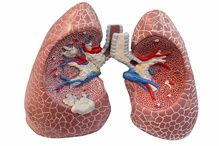


A shorter course of pulmonary rehabilitation, with phone support, improved symptoms and reduced hospital readmissions for patients with post-acute exacerbation in chronic obstructive pulmonary disease (AECOPD).
A shorter course of pulmonary rehabilitation, with phone support, improved symptoms and reduced hospital readmissions for patients with post-acute exacerbation in chronic obstructive pulmonary disease (AECOPD).
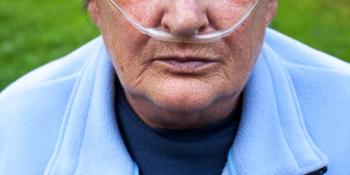
Using data from 2 phase 2 trials, researchers were able to determine the peak inspiratory flow (PIF) repeatability limit, and show that the 2 highest of 3 PIF values met the repeatedly limit.
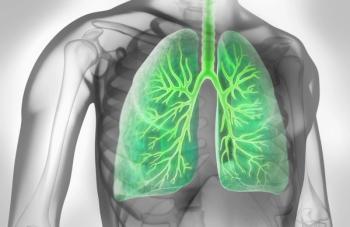
The health burden of comorbid chronic obstructive pulmonary disease (COPD) and asthma is known to be greater than when either condition exists on its own. An upcoming study shows that COPD is linked with greater all-cause mortality and greater risk of mortality in patients with coexisting asthma who also had long-term use of corticosteroids.
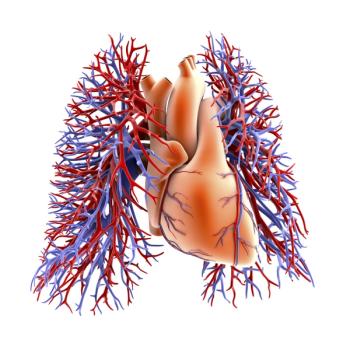
A recent review discussed how to manage comorbid cardiovascular disease in patients with chronic obstructive pulmonary disease (COPD).

Using composite endpoints to predict clinically important deterioration in chronic obstructive pulmonary disease (COPD) could help investigators assess disease activity in clinical trials and better manage individual patients, according to a recent study.

The focus on curbing COPD prevalence has largely focused on smoking cessation, but there are other factors, including diet, that can contribute to the risk of developing COPD.
Results showed that living in a disadvantaged neighborhood is associated with worse COPD-related individual-level outcomes.

Lung cancer screening by low-dose computed tomography does not examine spirometry in eligible patients, but study findings published this week suggest that adding this feature could improve the high burden of undiagnosed chronic obstructive pulmonary disease (COPD) and emphysema.
The investigators conducted the study to understand more about the influence of each predictive factor of mortality in chronic obstructive pulmonary disease (COPD), as rates of death from the pulmonary disease have risen worldwide.
A trial of 2 doses of an inhaled glucocorticoid in a fixed-dose triple therapy for chronic obstructive pulmonary disease (COPD) appeared beneficial compared with 1 of 2 dual therapies.

Inhaled corticosteroids for patients with chronic obstructive pulmonary disease (COPD) may curb lung function decline, according to new research.
Regardless of smoking status, chronic obstructive pulmonary disease (COPD) is an independent risk factor for developing lung, colorectal, liver and other cancers in the Korean population, according to a study published in BMC Pulmonary Medicine.
Up to 30% of cases of dysanapsis, having a small airway-to-lung ratio, occur in people who have never smoked, while not having the condition could explain why some heavy smokers never develop chronic obstructive pulmonary disease (COPD).

The formulary covers over 22 million US lives.

Relying on one type of study often doesn’t paint the full picture of drug safety, efficacy, and economic and therapeutic benefits across the short and long term, the authors of the study wrote.
Danish investigators reviewed data of individuals prescribed inhaled corticosteroids (ICS) for chronic obstructive pulmonary disease (COPD) to compare characteristics of patients who have COPD alone with those who have COPD and concomitant asthma.

Pulmonary rehabilitation can offer many of the same ideas to patients that cognitive behavioral therapy (CBT) can, even inadvertently, the study authors said.

Exacerbations of patients with chronic obstructive pulmonary disorder (COPD) can be costly if they are frequent, and early detection programs for COPD may help offset these costs, according to research from 2 studies presented at the 2020 International Society for Pharmacoeconomics and Outcomes Research (ISPOR) virtual conference.
Chronic breathlessness not only affects patients with chronic obstructive pulmonary disease (COPD) but also their caregivers, who are mostly women, according to a recent review.
Although pulmonary rehabilitation for chronic obstructive pulmonary disease (COPD) is linked to better survival, a large study of fee-for-service (FFS) Medicare patients show it is underused, with less than 2% of those studied taking part in a 3-month program.

The patients selected for bronchoscopic lung volume reduction were younger compared with those who were not, the investigators said.

Treatment with fluticasone furoate/umeclidinium/vilanterol (FF/UMEC/VI) compared with FF/VI or UMEC/VI reduced exacerbation-related costs associated with chronic obstructive pulmonary disease (COPD) in the US healthcare system.

Compared with patients with low stress, patients with chronic obstructive pulmonary disease (COPD) and high stress had doubled odds of using acute care services, a new study found.
High-flow nasal therapy (HFNT), often used for stable patients, can reduce hospital readmission for acute exacerbations for chronic obstructive pulmonary disease (COPD).
Chronic obstructive pulmonary disease (COPD) is not an independent risk factor for metabolic disorders, according to a recent report.