






A study of Korean patients with chronic obstructive pulmonary disease (COPD) found that a paradoxical response to short-acting bronchodilators may reduce lung function and quality of life.
A study of Korean patients with chronic obstructive pulmonary disease (COPD) found that a paradoxical response to short-acting bronchodilators may reduce lung function and quality of life.
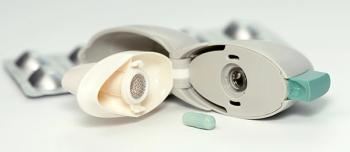
Patients with chronic obstructive pulmonary disease (COPD) with clinically important deterioration were found to have greater exacerbations and mortality risks; however, triplet therapy could help rectify that.

After Medicare Part D plans stopped covering a chronic obstructive pulmonary disease (COPD) therapy, patients had gaps in care and increased out-of-pocket costs, according to a recent study.

Researchers analyzed 2 cohorts of patients with chronic obstructive pulmonary disease (COPD) to characterize who is most at risk for developing hypercapnia and who could most benefit from at-home noninvasive inhalation therapy.

Telerehabilitation programs for chronic obstructive pulmonary disease (COPD) have to address uptake barriers surrounding inadequate funding and access issues for elderly patients in order to last in a post–COVID-19 world, according to researchers.

Study results show that patients with chronic obstructive pulmonary disease (COPD) and comorbid asthma may have a greater risk of hospitalization from COVID-19 if they use bronchodilators or steroids plus bronchodilators.

Researchers found that thousands of patients with chronic obstructive pulmonary disease (COPD) did not follow the traditional trajectory associated with the disease, suggesting a possible incorrect diagnosis.
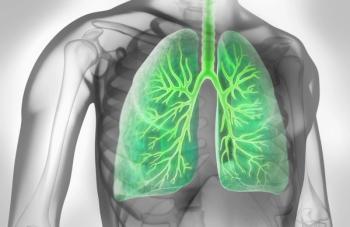
Results from the AIRFLOW-1 study demonstrate that targeted lung denervation did not produce any severe adverse reactions in patients with chronic obstructive pulmonary disease (COPD) after 3 years.

Pulmonary function increased during sleep for patients with chronic obstructive pulmonary (COPD) receiving a triple-therapy regimen, but improvements to quality of life remain to be seen.

Changes in temperature and atmospheric pressure were found to be associated with higher rates of medical care utilization for patients with chronic obstructive pulmonary disease (COPD) and asthma.

Living far from a hospital did not increase risk of in-hospital mortality, according to a recent study among veteran populations with chronic obstructive pulmonary disease (COPD).

A recent study found that the proportion of patients in the Netherlands with chronic obstructive pulmonary disease (COPD) who are being assessed for cardiovascular (CV) risk does not align with Dutch guideline recommendations.

The prevalence of pulmonary embolism in certain hospitalized patients with chronic obstructive pulmonary disease (COPD) may be lower than previous research suggests, according to a recent study.

Despite many practices adopting telehealth services to help patients manage their chronic obstructive pulmonary disease (COPD), investigators found that patients and clinicians feel many areas need improvement.
A pilot study among hospitalized patients on the use of an inhaled naturally occurring sugar showed several positive outcomes for those with acute exacerbations of chronic obstructive pulmonary disease (AECOPD).
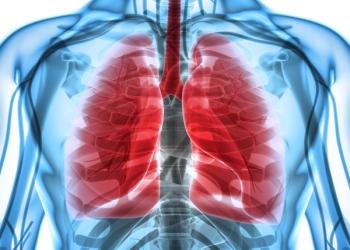
A study found that chronic obstructive pulmonary disease (COPD) and asthma were not risk factors for ICU admission or death as a result of SARS-CoV-2 infection.
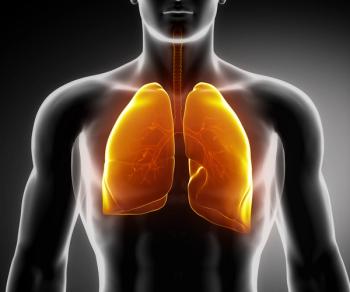
Physicians can withdraw inhaled corticosteroids (ICS) from triplet therapy without increasing patients’ risk of chronic obstructive pulmonary disease (COPD)-related exacerbations.

Black patients hospitalized with coronavirus disease 2019 from an urban academic medical center in New York City exhibited high rates of comorbidities and in-hospital mortality, with chronic obstructive pulmonary disease and asthma significantly linked with early death.
Investigators found that the ratio of lymphocytes to high-density lipoprotein (HDL) performed better in predicting pulmonary function than the neutrophil-lymphocyte ratio and the platelet-lymphocyte ratio.

Investigators using real-world data found that patients receiving treatment from slow mist inhalers (SMIs) had fewer exacerbations and hospitals readmissions compared with patients using dry powder inhalers (DPIs).

Study findings show that patients with chronic obstructive pulmonary disease (COPD) had increased risks of respiratory complications and pneumonia after undergoing a transcatheter aortic valve insertion (TAVI) compared with those without COPD.
A recent review revisited the question of whether inhalers and nebulizers have similar effectiveness to manage stable chronic obstructive pulmonary disease (COPD).

Usually, macrophages protect the lungs from attacks. But under certain conditions, lung macrophages can also contribute to severe lung diseases, like chronic obstructive pulmonary disease, or worsen coronavirus disease 2019 (COVID-19).

A study from Denmark found that low health literacy was not a risk factor for mortality in patients with chronic obstructive pulmonary disease (COPD) compared with the general population and patients with other chronic conditions.

The top 5 most-read stories on chronic obstructive pulmonary disease (COPD) of 2020 on AJMC.com focused mainly on ways in which health care treatments for patients can be improved.