




COPD
Latest News
Advertisement
Latest Videos





Advertisement
More News

The authors modeled costs associated with a pedometer-based, web-mediated physical activity intervention compared with a pedometer alone for chronic obstructive pulmonary disease (COPD) management. The intervention was cost-saving.

The results show the importance of diagnosing lung conditions through spirometry as well the necessity for more effective therapies for patients without COPD.

While there are a number of treatment options available for patients with chronic obstructive pulmonary disease, not all options are right for all patients.
While there are a number of treatment options available for patients with chronic obstructive pulmonary disease, not all options are right for all patients.

The researchers noted these improvements were seen without an increase in hyperlactatemia risk.

Beyond smoking, the environment patients live in as well as their occupational risk factors all play large roles in the development of chronic obstructive pulmonary disease (COPD).

Findings from this multicenter randomized controlled trial showed that the transition bundle was associated with a lower risk of 7-day and 30-day hospital readmission from chronic obstructive pulmonary disease (COPD).

From 2001 to 2019 in Europe, overall chronic obstructive pulmonary disease (COPD) prevalence has increased for females and COPD mortality has decreased more so for men than women, according to the results of a recent study.

Smaller lumen sizes in women resulted in worse respiratory morbidity and mortality in chronic obstructive pulmonary disease (COPD), according to a recent study.

Starting noninvasive ventilation at home (NIVH) early after diagnosis was correlated with lower risk of death and reduced Medicare spending for patients with hypercapnic chronic obstructive pulmonary disease with chronic respiratory failure (COPD-CRF), according to a recent study.

US patients with chronic obstructive pulmonary disease (COPD) managed in primary care settings have high exacerbations, symptoms, and treatment burdens, according to an analysis of electronic health record data and patient-reported information/outcomes.

An integrated primary care service may improve the health status of patients with severe chronic obstructive pulmonary disease (COPD) without increasing health care costs, according to a recent study.

A recent study found that teach-to-goal methods are more effective than brief interventions in metered-dose inhaler education for patients with chronic obstructive pulmonary disease (COPD) and asthma, but results may vary depending on levels of health literacy.
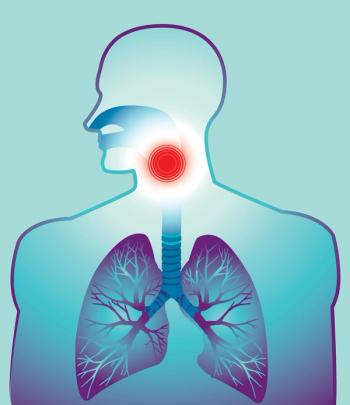
Certain characteristics of chronic obstructive pulmonary disease (COPD), including dysphagia risk factors and peak expiratory flow measures, play a role in lowering patients’ voice-related quality of life, according to a recent study.

A cross-sectional, observational study found that triple therapy was initiated in patients with chronic obstructive pulmonary disease (COPD) who experienced poor disease control on maintenance therapy.

A recent study found that pulmonary rehabilitation after hospitalization for chronic obstructive pulmonary disease (COPD) resulted in a net cost savings.

A discrete choice experiment found that patients with moderate-to-severe chronic obstructive pulmonary disease (COPD) valued improvement in their daily symptoms more than improvement of exacerbations.

A cohort study found that influenza and 23-valent pneumococcal polysaccharide vaccines (PPSV23) can reduce the risk of chronic obstructive pulmonary disease (COPD)- and pneumonia-related hospitalizations.

A recent review found that parents with chronic obstructive pulmonary disease (COPD) had a higher risk of having children with COPD.

A recent study found that the Service Apothecary Respiratory Advice eHealth intervention could help patients with chronic obstructive pulmonary disease with exacerbation rates and medication adherence.

Oxidative stress, including DNA damage and malondialdehyde, was associated with dementia in patients with chronic obstructive pulmonary disease (COPD).

In a new study, poor sleep was linked to an increased risk of life-threatening flare-ups in people with chronic obstructive pulmonary disease (COPD).

A recent review found that patients with chronic obstructive pulmonary disease (COPD) were at increased risk for mild cognitive impairment and dementia.

A cohort study found that male and female patients with chronic obstructive pulmonary disease (COPD) had different comorbidities that predicted their risk of mortality.

A retrospective study found that patients with chronic obstructive pulmonary disease (COPD) had stiffer arteries compared with patients without COPD.
Advertisement
Advertisement
Trending on AJMC
1
Delayed Dupilumab Raises Asthma Costs 32%: Nicola Hanania, MD
2
A Patient-Centered Reconstruction of 340B in Oncology: Transparency, Equity, and Site-of-Care Accountability
3
Early Signs of Success for Missouri’s New Notification of Pregnancy
4
Designing Effective Value-Based Oncology Models: Lalan Wilfong, MD
5