





A study from the Cleveland Clinic found a significant drop in hospitalization of patients with chronic obstructive pulmonary disease (COPD) using electronic inhaler monitoring and a disease management program.
A study from the Cleveland Clinic found a significant drop in hospitalization of patients with chronic obstructive pulmonary disease (COPD) using electronic inhaler monitoring and a disease management program.

Patterns of chronic obstructive pulmonary disease (COPD) prevalence by geographical location were found to be similar among current, former, and never smokers, indicating factors other than smoking status, such as secondhand smoke exposure, may influence the risk of developing the progressive lung disease.

The 70% ratio of forced expiratory volume in 1 second to forced vital capacity proved as or more accurate than other thresholds for predicting chronic obstructive pulmonary disease (COPD)–related hospitalizations and deaths.

According to a meta-analysis, long-term macrolide therapy at low doses could reduce acute exacerbations in patients with chronic obstructive pulmonary disease.

Healthy middle-aged men who had high levels of cardiorespiratory fitness had a 31% lower risk of chronic obstructive pulmonary disease (COPD) compared with men with low levels of cardiorespiratory fitness.

Abstracts presented at the 2019 American Thoracic Society International Conference suggest that participation in clinical trials and 1-on-1 coaching may improve inhaler technique of patients with chronic obstructive pulmonary disease or other respiratory disorders.

Geisinger is launching a new study to test if a novel technique can detect flare-ups or exacerbations experienced by patients with chronic obstructive pulmonary disease (COPD) by listening to their voices through their smart phones.
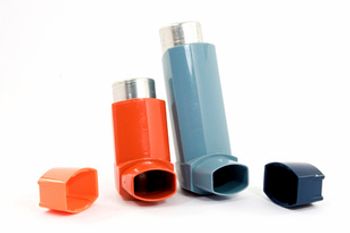
A study focusing on community pharmacies in Missouri, which has a moderate to high prevalence of COPD (6.5% to 7.5%), found that patients with COPD receiving respiratory medication from the pharmacies had high symptom burden and low medication adherence.
Results from a new study show that most nicotine-dependent patients with chronic obstructive pulmonary disease (COPD) who attended a 3-month smoking cessation program at a single-center clinic in Japan were able to quit smoking.

While women reported smoking less than men, they were found to be more severely affected by chronic obstructive pulmonary disease.

Chronic obstructive pulmonary disease (COPD) is associated with shorter survival and marked differences in early stages of non-small cell lung cancer (NSCLC).

Patients with chronic obstructive pulmonary disease who have high-deductible health insurance plans may be more likely to avoid essential care due to costs compared to those who have low- or no-deductible plans.

Researchers determined that African Americans were less likely to participate in pulmonary rehabiliation programs and examined whether the location of the nearest program had an effect on likelihood of participation.

A new computer application could easily and reliably predict the short-term risk of adverse outcomes and guide treatment options for patients with chronic obstructive pulmonary disease who visited an emergency department due to an exacerbation.

Blood eosinophil (EOS) counts of 150 cells/mcL or greater were associated with increased chronic obstructive pulmonary disease (COPD)–related healthcare resource utilization compared with EOS counts less than 150 cells/mcL, regardless of multiple inhaler triple therapy use.

Video telehealth pulmonary rehabilitation intervention reduced the risk of 30-day readmission in patients with chronic obstructive pulmonary disease.
An analysis of adoption of and adherence to chronic obstructive pulmonary disease (COPD) Global Initiative for Chronic Obstructive Lung Disease (GOLD) guidelines in the primary care setting unearthed disappointing results, finding suboptimal use of pulmonary function tests, no routine use of validated symptoms scales for diagnosis, and variation in pharmacotherapy.
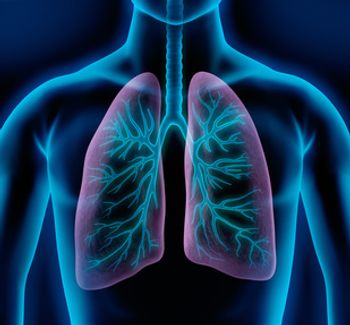
A randomized controlled trial found that patients hospitalized for an acute exacerbation of chronic obstructive poulmonary disease (COPD) experienced reduced rates of treatment failure when adding azithromycin to their standard of care.
A new study has examined whether rapid follow-up appointments within 10 days of discharge affect the risk of readmission for patients with chronic obstructive pulmonary disease who experience acute exacerbations that lead to hospitalizations.

Unreported exacerbations of chronic obstructive pulmonary disease (COPD) in clinical trials may be more prevalent than researchers realize, and this could cause them to underestimate the frequency of clinically significant exacerbations. This could affect the conclusions studies reach about the effectiveness of treatments.

Researchers examined risk factors that could lead to frequent physical or mental stress in Americans with chronic obstructive pulmonary disease (COPD).

In a review of revefenacin, researchers found that the drug may have the potential to serve as long-acting bronchodilator for once-daily treatment of respiratory disorders such as chronic obstructive pulmonary disease (COPD).

Among veterans admitted to the hospital for chronic obstructive pulmonary disease (COPD) exacerbation, women were evaluated and treated differently than men prior to hospitalization and had better hospital-associated outcomes.

A new study has found that prevalence rates of chronic obstructive pulmonary disease varied by occupation.

Changing patients from an inhaled corticosteroid (ICS)/long-acting β agonist (LABA) inhaler and long-acting muscarinic agonist (LAMA) inhaler to a LAMA/LABA inhaler and a separate ICS inhaler did not appear to affect patient-reported chronic obstructive pulmonary disease (COPD) symptom scores.