






A review of studies assessing the impact of telemonitoring on chronic obstructive pulmonary disease (COPD) outcomes resulted in mixed findings.
A review of studies assessing the impact of telemonitoring on chronic obstructive pulmonary disease (COPD) outcomes resulted in mixed findings.

Patients with chronic obstructive pulmonary disease (COPD) had lower medication adherence when taking 3 inhalers compared with 2, suggesting that reducing the number of inhalers for these patients may improve adherence.
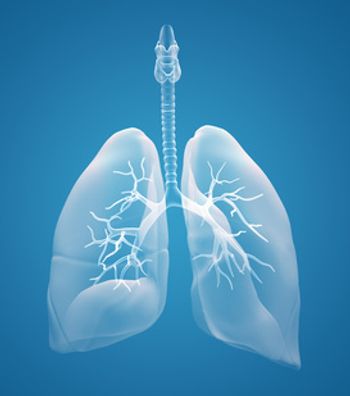
Symptoms of dyspnea in a patient with chronic obstructive pulmonary disease (COPD), which were caused by pulmonary hyperinflation, were improved by endobronchial valve treatment.

Based on dehydroepiandrosterone and growth hormone levels, researchers have determined that chronic obstructive pulmonary disease (COPD) is associated with increased biological age.

Exposure to dust from the collapse of the World Trade Center has been associated with a multitude of respiratory outcomes. For the first time, researchers looked at how dwellings in Lower Manhattan were damaged, how they were repaired, how people cleaned up afterwards, and how these differences affected the likelihood of respiratory symptoms and diseases.

Those who use e-cigarettes face higher risks of having a heart attack, experiencing emotional distress, and developing coronary artery disease compared to non-users, according to an abstract to be presented at the upcoming American College of Cardiology Scientific Sessions and Exposition in New Orleans, Louisiana.
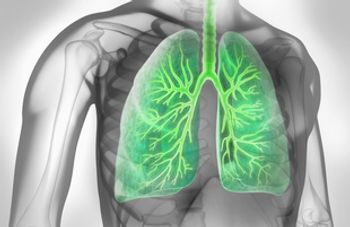
Analysis of a 2-year study showed that fluctuations in yearly chronic obstructive pulmonary disease (COPD) exacerbation rates may be associated with variations in Haemophilus influenzae colonization.
A recent study measured exhaled breath condensate (EBC) content that contained ultrafine particles (UFP) as a reflection of inflammation and oxidative stress in patients with chronic obstructive pulmonary disease (COPD) and as a marker of exacerbations.

The vast majority of patients with COPD require greater motivation to seek help when symptom changes occur and are unaware of their increased risk of developing lung cancer, according to new research.

There is no significant evidence to suggest that acute exacerbations of chronic obstructive pulmonary disease (COPD) cause an overall decline in patients’ physical activity over time, according to a new longitudinal study.
Researchers examined the medical costs for patients with a rare subset of chronic obstructive pulmonary disease (COPD) caused by a deficiency in alpha-1 antitrypsin receiving augmentation therapy.

A UK study found that adding respiratory health screenings to drug clinic appointments for those trying to recover from heroin use was effective at uncovering chronic obstructive pulmonary disease (COPD) in this group of patients.

There is not enough evidence that manual therapy—a clinical approach of using skilled, physical, hands-on procedures to improve function, lessen pain, and facilitate movement—can successfully be used to treat chronic obstructive pulmonary disease (COPD).

A survey of patients with chronic obstructive pulmonary disease (COPD) who had contracted community-acquired pneumonia showed that the additional illness caused a significant burden, such as lost time from work, as well as a burden on their caregivers.

Six areas that need improvement emerged from a workshop examining best practices and models to reduce hospital readmissions in patients with chronic obstructive pulmonary disease (COPD).

A recent review showed that the long-term use of statins reduced the risk of acute exacerbation in chronic obstructive pulmonary disease (COPD), heart disease–related mortality and all-cause mortality, as well as decreased inflammatory factors.

Asthma–COPD overlap (ACO) is a term that encompasses patients with characteristics of 2 conditions, asthma and chronic obstructive pulmonary disease (COPD). A recent study from Spain sought to validate a proposed algorithm to help clinicians identify ACO among patients with COPD, in an effort to tailor treatment.

A phase 4 study of formoterol fumarate showed similar safety performance as placebo in patients with moderate-to-severe chronic obstructive pulmonary disease, according to a recently published study.

Researchers in the United Kingdom used a Markov microsimulation model comparing a population with chronic obstructive pulmonary disease (COPD) performing physical activity vs a COPD population that was sedentary, in order to estimate the cost-effectiveness of regular PA vs a sedentary lifestyle.
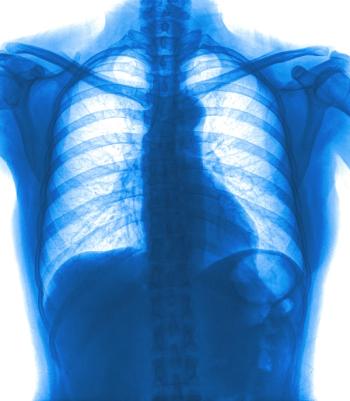
A recent study examined the nutritional status and dietary intake among outpatients with chronic obstructive pulmonary disease (COPD) and its possible associations with quality of life.

Researchers investigating the associations between ground-level ozone and fine particulate pollution and emergency department (ED) visits for chronic obstructive pulmonary disease, asthma, and respiratory infections found that as levels rose, more patients land in the ED with breathing problems.

Researchers said they found a previously unreported pathogenic entity that links chronic inflammation and tissue destruction in the lungs of patients with chronic obstructive pulmonary disease (COPD).
When to begin maintenance therapy for patients with chronic obstructive pulmonary disease (COPD) with either a single drug, or a combination of long-acting bronchodilators, is not always clear. A new study looking at whether baseline symptomatic status influences response to treatment suggests that patients with more severe dyspnea benefit more from a combination of tiotropium/olodaterol than tiotropium alone.

Chronic obstructive pulmonary disease is one of the world’s top drivers of chronic disease burdens, the chief executive officer of ResMed told the JP Morgan Healthcare Conference, as he explained the company’s strategy to help meet unmet needs using digital connectivity and data analytics.

A recent study looking at the impact of recent exacerbations of chronic obstructive pulmonary disease (COPD) on hospitalized patients who also have coronary artery disease (CAD) found that COPD was was independently associated with additional risks of complications after percutaneous coronary intervention.