



Dermatology
Latest News
Advertisement
Latest Videos







Advertisement
More News

In addition to ensuring residency programs provide educational and practical opportunities for addressing skin of color (SOC) hair-related concerns, prioritizing having residents of diverse backgrounds can help close knowledge and comfort gaps, suggest researchers.
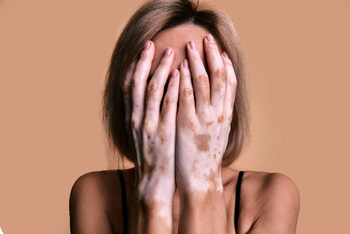
Israeli patients with vitiligo exhibit a significantly reduced risk of developing Parkinson disease (PD).
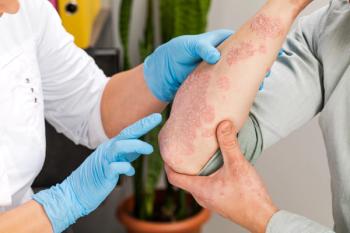
With an emerging hypothesis that inflammation of the skin prompts intestinal remodeling through various mechanisms, researchers explored the role of inflammatory signals, microbiome alterations, metabolites, and the nervous system.
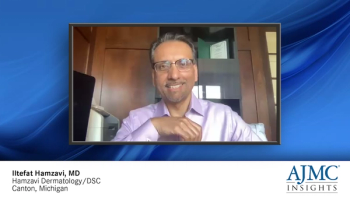
A dermatologist provides clinical insights on differential diagnosis strategies when considering hidradenitis suppurativa in patients and the challenges associated with diagnosis.
Iltefat Hamzavi, MD, describes the pathophysiology of hidradenitis suppurativa and associated comorbidities that are commonly seen in patients.

Autoimmune Diseases Prevalent Among Patients With Psoriasis, Study Finds
Published: | Updated:
Researchers have identified a link between psoriasis and the autoimmune diseases hypothyroidism and alopecia areata.

Atopic dermatitis significantly impairs female patients' sexual function, reproductive desires, and overall quality of life.
An expert on hidradenitis suppurativa discusses the epidemiology of the disease and its profound impact on patients’ lives.
Iltefat Hamzavi, MD, introduces a discussion on the treatment of hidradenitis suppurativa with an overview of the signs and symptoms of the disease.

Excessive dietary sodium intake is linked to increased prevalence and severity of atopic dermatitis (AD).

This week, the Center on Health Equity and Access covered the release of the best US hospitals for equitable access, news from the CMS Health Equity conference, biomarker testing legislation, and insights on improving access for queer communities and the disparities in dermatology.

Thomas Hall, MD, FAAD, of US Dermatology Partners, explains that disparities in dermatological care arise from the uneven distribution of dermatologists, especially in rural areas, causing delayed diagnoses and higher health care costs.

Shawn Kwatra, MD, dermatologist, John Hopkins University, recounts his study assessing the use of nemolizumab in prurigo nodularis presented at the American Academy of Dermatology conference.

An Italian review highlighted the potential of AI to enhance early diagnosis and treatment of hidradenitis suppurativa, though challenges such as data privacy, algorithm bias, and interpretability must be addressed to fully leverage AI's benefits in dermatology.

A recent study found significant regional disparities and a decline in inpatient dermatology encounters and providers across the US from 2013 to 2019, highlighting the need for increased support and improved access to specialized dermatologic care.

A US-based discrete choice experiment survey found that patients with atopic dermatitis (AD) prioritize treatments that effectively control itching.

A recent study applied machine learning to medical and pharmacy claims data to develop a model for predicting hidradenitis suppurativa (HS) diagnosis, highlighting the potential for improved understanding of HS underdiagnosis on a health care system level.
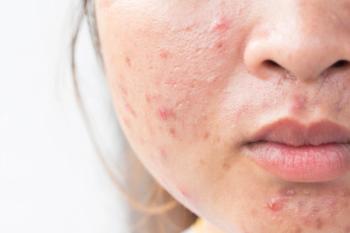
According to a review, recent progress offers hope in the form of treatments, such as combination therapy that utilizes surgical and nonsurgical methods, for individuals with facial acne scars.

A literature review has found that ultraviolet radiation, rising temperature, and air pollution could be possible climate-related influences on skin cancer rates.
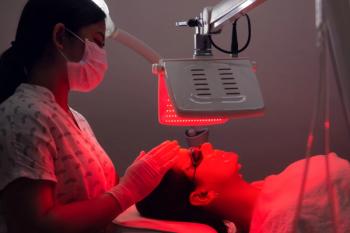
A recent study found that patients with actinic keratosis experienced more pain during red light photodynamic therapy (PDT) than simulated daylight PDT, emphasizing the need to understand patient experiences for better treatment decisions.

Monica Li, MD, medical and cosmetic dermatologist, explained the efficacy and safety differences between radiofrequency microneedling and traditional microneedling.

In a recent study, secukinumab therapy demonstrated adequate safety and efficacy profiles, offering potential benefits for patients with severe hidradenitis suppurativa (HS) who found adalimumab intolerable.

Robert Sidbury, MD, MPH, FAAD, division head of dermatology at Seattle Children's Hospital and professor of pediatrics at the University of Washington School of Medicine, discusses implementing value-based care initiatives in a pediatric dermatology practice.

Patients with hidradenitis suppurativa (HS) in Canada often wait long periods of time to receive an HS diagnosis and receive evidence-based therapy, highlighting the need for increased interdisciplinary education on HS management.
Monica Li, MD, medical and cosmetic dermatologist, listed microneedling considerations and precautions so that providers can safely implement the procedure.
Advertisement
Advertisement
Trending on AJMC
1
Bepirovirsen Approval Offers New Option for Chronic HBV Treatment
2
Inhaled Amikacin Raises Culture Conversion in New MAC Lung Disease
3
Extension Studies in TPIP Show Promise in PAH, PH-ILD
4
Bronchiectasis GWAS Highlights Candidate Targets Shared With COPD
5