



Findings offer a potential basis for sex-specific dietary guidelines for metabolic dysfunction–associated steatotic liver disease (MASLD), as this relationship was significant for men but not women.
Findings offer a potential basis for sex-specific dietary guidelines for metabolic dysfunction–associated steatotic liver disease (MASLD), as this relationship was significant for men but not women.

Weekly 2.4 mg semaglutide was linked to improved liver histology results but did not significantly reduce body pain compared with placebo.

Naim Alkhouri, MD, spoke to the potential for glucagon-like peptide-1 (GLP-1) receptor agonists to transform the treatment landscape for patients with metabolic dysfunction-associated steatohepatitis (MASH) and severe fibrosis.

Lacking awareness of metabolic dysfunction-associated steatohepatitis (MASH) constitutes a critical barrier for enhancing patient care, said Naim Alkhouri, MD. Awareness efforts can not only increase patient access, but also improve the overall wellbeing, experience, and outcomes for this population.
The future of treating metabolic dysfunction–associated steatohepatitis (MASH) looks brighter than ever, says Naim Alkhouri, MD, as data emerges on newly developed interventions.
Recent advances have marked a turning point for the treatment noncirrhotic metabolic dysfunction-associated steatohepatitis (MASH), with more therapies on the horizon to hopefully better address patients' cirrhosis, explained Naim Alkhouri, MD.

A recent review highlights the gaps in clinical guidelines and treatment approaches for metabolic dysfunction-associated steatohepatitis (MASH) and looks ahead to the future promise of glucagon-like peptide 1 (GLP-1) receptor agonists for liver conditions.

Data from patients across 3 different randomized controlled trials showed improvements in both adiponectin and PRO-C3, primary end points in the trials.

Data from a meta-analysis of 8 observational studies accounting for more than 26 million people across the globe were evaluated in a new review.

Weight loss is a key effect of glucagon-like peptide-1 receptor agonists (GLP-1 RAs), but these drugs may also provide liver health benefits independent of this mechanism.

Resmetirom offers a targeted approach to metabolic dysfunction–associated steatohepatitis (MASH) for use alongside lifestyle modifications.

Inclusion of female and Hispanic/Latino patients has increased over time, but most trials of metabolic dysfunction-associated steatohepatitis (MASH) still take place in high-income countries and have majority-White patient populations.

The invasive nature of lipid biopsies has lead researchers to dedicate more efforts to unveiling noninvasive diagnostic methods for metabolic dysfunction–associated steatohepatitis (MASH).

Rising rates of metabolic dysfunction–associated steatohepatitis indicate a need for public health interventions.

At 2 years, participants in the compensated MASH cirrhosis treatment arm of the MAESTRO-NAFLD-1 trial experienced a statistically significant 6.7 kPa reduction in liver stiffness from baseline.
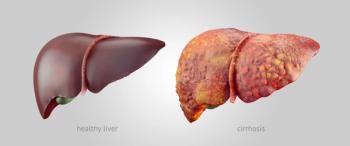
Preliminary topline week 96 results showed statistically significant reversal of metabolic dysfunction–associated steatohepatitis (MASH)–compensated cirrhosis with efruxifermin in complete and intent-to-treat analyses.

Emerging evidence suggests that fibroblast growth factor 21 (FGF21) could play a future part in the treatment of metabolic dysfunction-associated steatohepatitis (MASH).

As a growing number of young adults with primary liver cancer (PLC) related to metabolic dysfunction–associated steatohepatitis (MASH) age, developing coherent strategies to combat the metabolic disease epidemic is critical.

The investigators believe their decades-spanning analysis underscores the need to address access barriers to anti-obesity therapeutics.
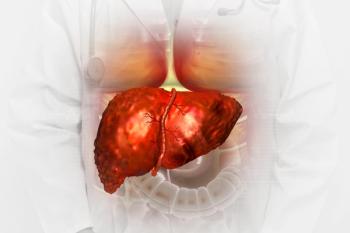
Patients with metabolic dysfunction-associated steotohepatitis (MASH) who are already taking a glucagon-like peptide-1 receptor agonist (GLP-1RA) could see their liver health improve with the addition of efruxifermin.
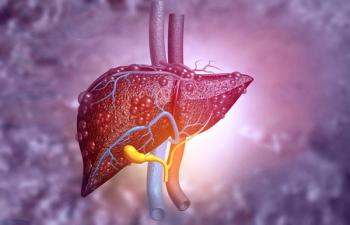
Peptidomics offered new diagnostic insights into the underlying processes of metabolic dyfunction-associated steatotic liver disease (MASLD).
The global burden of liver cancer is rising, and public health efforts for prevention, vaccination, and treatment to address underlying etiologies are needed, according to research presented at ASCO 2024.

The first medication for the treatment of nonalcoholic steatohepatitis (NASH) and liver fibrosis received accelerated approval. Previously, the only treatment available to patients was implementing lifestyle changes aimed at weight reduction.

There are no FDA-approved therapies for nonalcoholic steatohepatitis (NASH), but there are many being developed. Resmetirom and obeticholic acid are both being reviewed by the FDA with decisions expected in 2023.
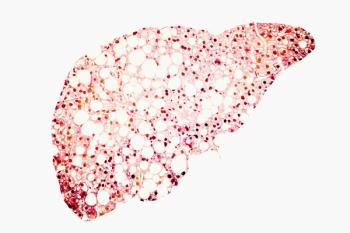
A recent study aims to improve evaluation of fatty liver in ultrasound scans to increase hepatology referrals and predict significant liver fibrosis.