



Psoriasis
Latest Content


Simplified Psoriasis Severity Measure Shows Strong Correlation With PASI
By Rose McNulty
Advertisement
Latest Videos


Advertisement
More News

Chronic skin diseases like psoriasis and AD are linked to high smoking and other addiction rates, highlighting the need for integrated psychosocial support.

A validated XGBoost model identifies psoriasis patients at high hyperglycemia risk, supporting personalized care through a user-friendly web calculator.
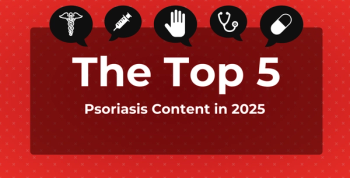
With new treatments, environmental insights, and evolving views on comorbidity shaping patient care, this is the most-viewed psoriasis content of 2025.

Zasocitinib met all primary and secondary end points, showing rapid PASI 75 responses and high rates of skin clearance vs placebo and apremilast.

The ustekinumab biosimilar DMB-3115 matched reference therapy in efficacy and safety for moderate to severe plaque psoriasis, according to a phase 3 trial.
A large review identifies 70 safety signals for bimekizumab, confirming known risks while revealing previously unreported adverse events.

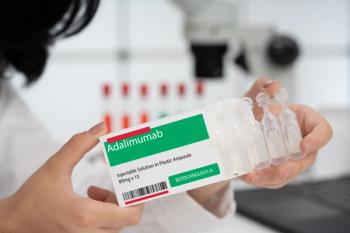
Adalimumab significantly reduces activity limitations and boosts work ability and quality of life in patients with psoriasis.

Exposure to antibiotics is linked to higher risk of biologic discontinuation in psoriasis, potentially through gut microbiota changes.

Guselkumab significantly inhibited structural joint damage and improved symptoms in active PsA through 48 weeks.

New findings reveal high rates of depression, anxiety, and sleep issues in individuals with psoriatic arthritis and palmoplantar psoriasis.

Tildrakizumab maintained a favorable safety profile through 208 weeks in patients with psoriatic arthritis, with no new safety signals reported.

More than 50% of patients with psoriasis are eligible for systemic treatment, and nearly 90% would switch to an effective oral therapy with a favorable safety profile.

Higher body size and metabolic factors are linked to worse psoriasis and lower biologic treatment success.

A 16-week Mediterranean diet reduced psoriasis severity and improved metabolic health in patients with mild to moderate psoriasis.

Guselkumab becomes the first interleukin-23 inhibitor approved for children with plaque psoriasis or active psoriatic arthritis.

A new study highlights the epidemiological, humanistic, and economic impact of pediatric psoriasis, with findings showing greater challenges in moderate to severe cases.

A study explores how people with psoriasis use digital media, revealing benefits, pitfalls, and gaps in physician-patient communication.

A study reveals high drug survival rates for anti-TNF biosimilars in treating psoriasis and psoriatic arthritis, highlighting their long-term efficacy and safety.
A large cohort study finds elevated risks of sepsis, genitourinary infections, and longer hospital stays in patients with hidradenitis suppurativa (HS).
SB17, a new ustekinumab biosimilar, demonstrates comparable efficacy and safety for psoriasis and psoriatic arthritis, enhancing patient experience and convenience.
National Psoriasis Awareness Month offers an opportunity to examine how advances in systemic therapy, combined with patient-centered care models, are reshaping the treatment landscape.

Shared decision-making helps dermatologists align treatment plans with patient needs, improving adherence and outcomes.

Long-term exposure to pollutants was linked to higher psoriasis risk, especially in people with genetic predispositions.

A multicenter study finds no difference in outcomes between frail and nonfrail elderly patients treated with tildrakizumab over 2 years.
Interclass biologic switching can improve outcomes, but it also increases infection rates.
Advertisement
Advertisement
Trending on AJMC
1
Four Major Idiopathic Pulmonary Fibrosis Advances From 2026
2
HHS Draft Policy Eases Enforcement on 6 Compounded Peptides
3
5 Things to Know About HHS's Interim Peptide Compounding Policy
4
Elagolix Noninferior to Dienogest for Endometriosis Pain in Phase 3 Trial
5