






Psoriasis
Latest News
Advertisement
Latest Videos





Shorts

Podcasts

Advertisement
More News
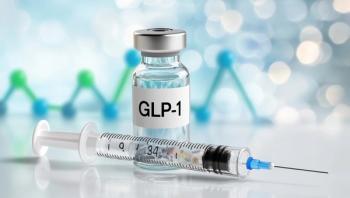
GLP-1 medications in psoriasis show skin and inflammation gains beyond weight loss; early data in psoriatic arthritis lag as trials ramp up.
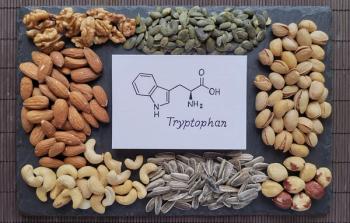
Psoriasis may share a tryptophan-driven metabolic pathway behind depression, arthritis, and metabolic syndrome.

The update makes biologics first-line treatment, adds comorbidity management guidance, and aligns practice with evolving European guidelines for psoriasis.

Data from the STEPIn trial shows early intervention for plaque psoriasis with secukinumab delivers durable disease control, with some staying clear up to a year post treatment.

Psoriasis and macrophage research spotlights M1/M2 imbalance, interleukin therapies, and single-cell insights pointing to new precision targets.

In psoriatic arthritis, high BMI and smoking raise disease activity, while weight-focused lifestyle changes improve treat-to-target odds at one year.

Psoriasis carries significant psychological and social burden, but adding mind-body approaches like CBT to treatment may improve mental health and outcomes.

Previous inquiries into the associations between sleep disorders were limited by small sample sizes, according to researchers.

Biologic-naïve status and higher inflammation predict rapid skin clearance with psoriasis biologics, while palmoplantar disease may limit response.

The FDA's March 2026 approvals marked significant regulatory milestones across multiple disease states.

Combining traditional dermatopathology with PCR-based molecular testing improves diagnostic accuracy in differentiating eczema from psoriasis, particularly in ambiguous cases.

A phase 3 clinical trial found that the ustekinumab biosimilar CT-P43 demonstrated equivalent efficacy, safety, and immunogenicity to reference ustekinumab in patients with moderate to severe plaque psoriasis.

Icotrokinra is the first and only interleukin-23–targeted oral peptide approved for plaque psoriasis.

Phase 3 trials show deucravacitinib, the first TYK2 inhibitor approved for adults with active psoriatic arthritis (PsA), improves both joint and skin symptoms.

Safety profiles, efficacy, and lifestyle factors inform shared decision-making and help optimize biologic selection in inflammatory disease management.
A new psoriasis severity tool called G2-PASE showed a strong correlation with PASI, potentially offering a simpler assessment for clinical practice.

Tildrakizumab at 100-mg and 200-mg doses showed long-term effectiveness for managing psoriasis in challenging areas in a real-world study.


Chronic skin diseases like psoriasis and AD are linked to high smoking and other addiction rates, highlighting the need for integrated psychosocial support.

A validated XGBoost model identifies psoriasis patients at high hyperglycemia risk, supporting personalized care through a user-friendly web calculator.

With new treatments, environmental insights, and evolving views on comorbidity shaping patient care, this is the most-viewed psoriasis content of 2025.

Zasocitinib met all primary and secondary end points, showing rapid PASI 75 responses and high rates of skin clearance vs placebo and apremilast.

The ustekinumab biosimilar DMB-3115 matched reference therapy in efficacy and safety for moderate to severe plaque psoriasis, according to a phase 3 trial.
A large review identifies 70 safety signals for bimekizumab, confirming known risks while revealing previously unreported adverse events.

Adalimumab significantly reduces activity limitations and boosts work ability and quality of life in patients with psoriasis.
Advertisement
Advertisement
Trending on AJMC
1
Trump Childhood Vaccine Order: What It Means for Parents and Payers
2
FDA Proposes GRAS Rule, Advances Ultra-Processed Food Definition
3
Cardiac Amyloidosis Diagnosis Lags After Heart Failure Onset
4
Orelabrutinib Cuts Progression Risk 68% in Frontline CLL/SLL
5