






Soft Tissue Sarcoma
Latest News
Advertisement
Latest Videos


Advertisement
More News

A new international platform trial groups rare pediatric sarcoma substudies under 1 protocol to speed drug access and data collection.

Alexander Spira, MD, PhD, FACP, FASCO, explains why sarcoma treatment lags behind other solid tumors and the access, subtype, and biomarker barriers.

Longer-term data support pimicotinib as an effective, well-tolerated option for a rare benign tumor that can cause significant joint disability.

Real-world data suggest nirogacestat boosts response in desmoid tumor vs standard-of-care treatment, but small cohorts leave key outcomes unanswered.

A new training framework operationalizes brachytherapy competencies for soft tissue sarcoma, covering implant geometry, CT planning, dose optimization, toxicity management, and radiation safety.

This review will appear in the June issue of Evidence-Based Oncology.

From hypofractionation to proton beam therapy to pembrolizumab combinations, a new review details how 2025 reshaped the radiotherapy landscape for soft tissue sarcomas.

New pediatric guidelines standardize radiation for metastatic rhabdomyosarcoma, detailing site-specific dosing to improve STS outcomes.

New soft tissue sarcoma radiotherapy guidelines favor preoperative radiotherapy, refine dosing and targeting, and preview the role of immunotherapy and hypofractionation.

Higher social vulnerability was associated with lower dietary fiber intake and a hostile gut microbiome in patients with melanoma or sarcoma receiving immune checkpoint blockade.
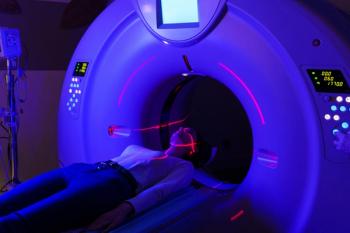
Phase 2 trial finds 5-day preoperative RT in high-risk STS shows comparable wound complication rates and acceptable toxicity.

Higher local recurrence growth rates and high-grade tumors were linked to increased disease-specific death after resection.

Updated NCCN pediatric STS guidelines emphasize risk stratification, imaging, multimodal therapy, and clinical trial enrollment to improve outcomes.

A systematic review finds that diagnostic discordance in bone and soft tissue sarcoma may reduce survival, supporting expert second opinions.

Phase 2 trial results show anlotinib with anthracyclines and ifosfamide yields a 30.8% ORR and an 82.7% DCR in advanced soft tissue sarcoma.

Socioeconomic and demographic factors influenced amputation and recurrence rates in upper extremity soft tissue sarcoma.

A single-center study found it was rare for patients with soft tissue sarcoma to have a complete set of MRI imaging.

France approved botensilimab plus balstilimab for select ovarian cancers and soft tissue sarcomas, expanding early access to this dual immunotherapy.

Poland’s LiBRha project will expand liquid biopsy and molecular testing nationwide to improve diagnosis, monitoring, and outcomes for children with soft tissue sarcoma.

DeFi trial results show that continuous nirogacestat provides durable tumor control, ongoing shrinkage, sustained symptom improvement, and a stable safety profile over several years.
The most-read articles focused on soft tissue sarcoma research, including innovative biomarkers, treatment strategies, and multidisciplinary care challenges.

The benefit of trabectedin plus olaparib to all-comers with soft tissue sarcoma was marginal, but the response was more pronounced in certain subgroups.

The patient was a rare case of a patient with dedifferentiated liposarcoma and a high tumor mutational burden.

If validated prospectively, the classifier could provide oncologists with clearer prognostic insight, enabling more personalized chemotherapy decisions, earlier intervention for high-risk patients, and potential adaptation across STS and other cancer types.

Levels of GDF15 and OPN can accurately distinguish uterine sarcoma from benign leiomyoma, with GDF15 also serving as an independent predictor of disease progression.
Advertisement
Advertisement
Trending on AJMC
1
MASH Fibrosis, Not Resolution, Predicts Mortality: Zobair Younossi, MD
2
FDA Approves Once-Monthly Subcutaneous Olanzapine for Schizophrenia
3
Multi-Hit TP53 Linked to Shorter Survival in Chronic-Phase MPN Cohorts
4
Navigating GLP-1 Access & Prior Authorizations: Amanda Velazquez, MD
5