
OLYMPIA-3 trial at ASCO 2026 shows odronextamab plus CHOP in higher-risk B-cell lymphoma delivers strong MRD-negative CRs with fewer visits.
OLYMPIA-3 trial at ASCO 2026 shows odronextamab plus CHOP in higher-risk B-cell lymphoma delivers strong MRD-negative CRs with fewer visits.

Data presented at ASCO support wider use of prophylactic therapy to prevent cytokine release syndrome as efforts expand to promote bispecifics in treatment of multiple myeloma.

Data confirm the use of daratumumab, bortezomib, lenalidomide, and dexamethasone as the standard of care in newly diagnosed multiple myeloma.
ADC targeting both PSMA and STEAP1 with a topoisomerase payload showed a 15-month PFS signal in heavily pretreated prostate cancer—far above historical chemotherapy benchmarks.
Updated SUNMO phase 3 data show Mosun-Pola cuts progression risk by 62% vs R-GemOx, with a 75% ORR and 61% CR rate in second-line R/R LBCL at 28-month follow-up.

An entirely new approach to treating one of the most intractable cancers could turn it into a chronic disease.

Adding the anti-CD19 monoclonal antibody and lenalidomide to the classic combination drove superior PFS, with a positive trend in OS. Higher rates of adverse events offset the positive survival results in an area of great unmet need.
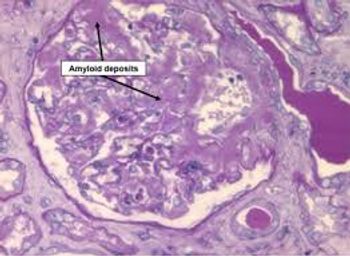
Early data for LINKER-AL2 show linvoseltamab drives rapid and deep responses following relapse after frontline treatment for AL amyloidosis, which has no approved therapies.
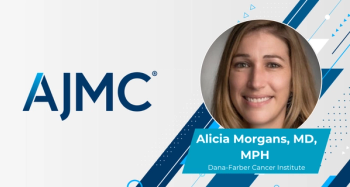
ARACOG trial data highlight cognitive effects of ARPIs in prostate cancer, showing less cognitive decline with darolutamide than enzalutamide, notes Alicia Morgans, MD, MPH.

Updated toxicity criteria improve immunotherapy toxicity management in melanoma, spotlighting rapid action for rare cardiotoxicity, says Igor Puzanov, MD, MSCI, FACP.

According to the ROADS trial, GammaTile cesium-131 brachytherapy boosts local control and survival in brain cancer treatment, matching SRT safety while avoiding radiation delays.

Early palliative care integration in oncology boosts symptom alleviation and quality of life, but access, workforce shortages, and institutional barriers slow referrals.

Teclistamab bispecific from Johnson & Johnson boosts early-line multiple myeloma outcomes, fueling safer outpatient therapy options.

Mezigdomide, a powerful CELMoD, doubles PFS in relapsed or refractory multiple myeloma, offering hope when IMiDs stop working.

ASCO 2026 spotlights practice-changing cancer data: PROTEUS in prostate cancer, RAS(ON) inhibitor daraxonrasib, new bispecifics, and GLP-1 signals.

Artificial intelligence (AI) and socioeconomic factors enhance risk stratification for patients with acute myeloid leukemia (AML) post transplant, aiming to reduce hospital readmissions and disease progression.

Continuing his interview about these results, CEPHEUS lead investigator Saad Z. Usmani, MD, MBA, FACP, FASCO, highlights the minimal residual disease negativity findings.

Noting the profound impact of living with a chronic condition that constantly reminds patients of their "patient" status, Andrew Kuykendall, MD, Moffitt Cancer Center, emphasizes the importance of therapies that can offer a sense of normalcy.
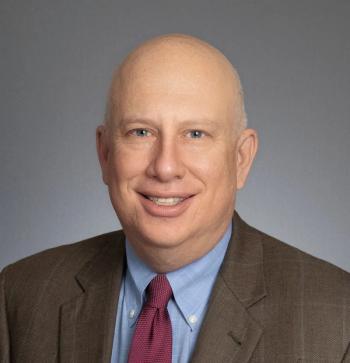
The COCOON trial reveals that prophylactic treatment reduces dermatological adverse events in NSCLC patients, enhancing their quality of life during amivantamab therapy.

Zongertinib shows promising results in HER2-mutant NSCLC, offering high response rates and improved quality of life with minimal toxicity.

Surbhi Sidana, MD, MBBS, director of the Myeloma Disease Focused Group at Stanford University, provides a reintroduction to CARTITUDE-4 and insight on how this phase 3 investigation builds on previous findings of CAR T vs standard-of-care findings in relapsed/refractory multiple myeloma (RRMM)

A teledermatology program in Georgia helped identify patients with skin lesions that warranted in-person follow-up with a physician.
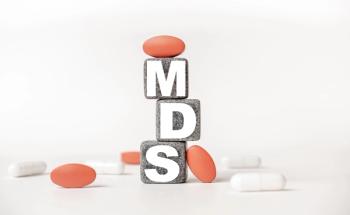
Shorter venetoclax durations in patients with acute myeloid leukemia (AML) and myelodysplastic syndromes (MDS) yielded comparable survival outcomes in a new study, challenging treatment norms.
CEPHEUS trial lead investigator Saad Z. Usmani, MD, MBA, FACP, FASCO, explains how the trial both builds on current knowledge of newly diagnosed multiple myeloma and how transplant-ineligible status may affect therapeutic decision-making.

The timing of immunotherapy initiation is not a significant factor in the outcomes of patients with extensive-stage small cell lung cancer (ES-SCLC), a study found.
Andrew Kuykendall, MD, Moffitt Cancer Center, explains the goals of the VERIFY trial and why its data on rusfertide could have paradigm-changing implications for patients with polycythemia vera (PV) who currently rely on frequent phlebotomies for relief.
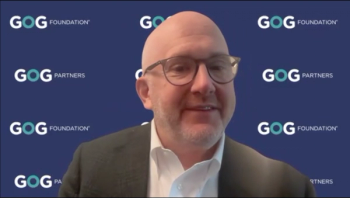
In the final part of an interview with Brian Slomovitz, MD, he highlights that the phase 3 ROSELLA trial demonstrates a safe, effective treatment for platinum-resistant ovarian cancer that does not require biomarker testing.

Results for IRAKLIA show noninferiority for Sanofi's on-body delivery system for isatuximab, compared with IV administration. Patients overwhelmingly preferred the hands-free delivery option.

Structured exercise programs should be a part of the standard of care for colon cancer following adjuvant chemotherapy, authors of the CHALLENGE study recommended.
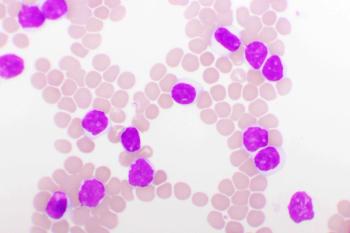
Zanubrutinib showed long-term efficacy in patients with chronic lymphocytic leukemia (CLL) or small lymphocytic lymphoma (SLL) and deletion of the 17p chromosome, with progression-free survival similar to patients without high-risk disease characteristics.