

Rising early-onset colorectal cancer rates among young adults highlight the urgent need to explore lifestyle, genetics, and environmental factors driving this trend.
Rising early-onset colorectal cancer rates among young adults highlight the urgent need to explore lifestyle, genetics, and environmental factors driving this trend.
Patients with myelodysplastic syndrome (MDS) who received luspatercept showed greater hemoglobin gains and transfusion independence compared with erythropoiesis-stimulating agents (ESAs) in a real-world analysis.
Brian Slomovitz, MD, of Mount Sinai Medical Center, compares relacorilant plus nab-paclitaxel with existing treatments for platinum-resistant ovarian cancer and highlights the ROSELLA trial’s global scope.
Leaders in oncology share why the American Society of Clinical Oncology (ASCO) meeting remains a top global gathering for breakthroughs, networking, and lifelong learning.

Adolescent and young adult (AYA) patients with acute lymphoblastic leukemia (ALL) face significant survival disparities and unmet needs for effective third-line treatments, highlighting urgent care gaps.
Relacorilant combined with nab-paclitaxel (Abraxane) significantly improved progression-free and overall survival in patients with platinum-resistant ovarian cancer in the phase 3 ROSELLA trial, according to Brian Slomovitz, MD, one of the investigators.
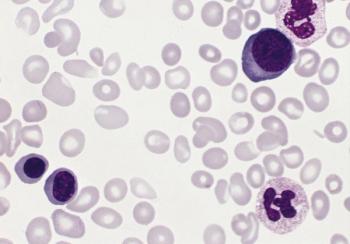
Adding rusfertide to standard of care more than doubled the share of patients with polycythemia vera (PV) who did not meet criteria for a phlebotomy, according to data from the VERIFY trial.
Dirk Arnold, MD, PhD, medical director, Asklepios Tumour Biology Centre, discusses a phase 3 clinical trial investigating amivantamab in metastatic colorectal cancer.
Jill Feldman, cofounder and president, EGFR Resisters, shares the importance of being proactive in managing dermatologic toxicities in epidermal growth factor receptor (EGFR)–positive lung cancer.

Oncology biosimilars significantly reduce financial toxicity in cancer care, as highlighted in 2 abstracts presented at the 2025 American Society of Clinical Oncology Annual Meeting.
Danny Rischin, MD, medical oncologist, clinician researcher, Peter McCallum Cancer Centre, discusses a novel adjuvant treatment approach for patients with locally advanced cutaneous squamous cell carcinoma (CSCC).

Quadruplet therapy is now the accepted standard for patients newly diagnosed with myeloma who are ineligible for transplant; there is debate whether all newly diagnosed patients should have this regimen.

Trastuzumab deruxtecan plus pertuzumab shows promising results as a potential new first-line treatment for HER2-positive breast cancer at ASCO 2025.
Ibrahim Aldoss, MD, associate professor, City of Hope, explores recent findings on ponatinib as a first-line treatment for Philadelphia chromosome–positive acute lymphoblastic leukemia (Ph+ ALL).

Multicancer early detection tests are revolutionizing cancer screening by using liquid biopsies to screen for multiple cancers from a single blood sample, enhancing patient outcomes by identifying cancers earlier.
MATTERHORN shows durvalumab enhances survival in early-stage gastric and GEJ cancer, revolutionizing treatment approaches for patients.
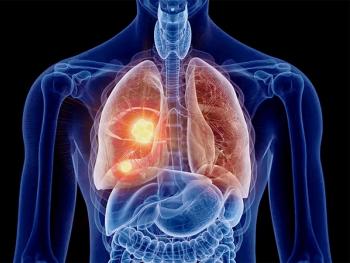
Molecular testing identifies high-risk early-stage NSCLC patients for adjuvant chemotherapy, significantly improving disease-free survival rates post-surgery.

An ASCO session on quality services shows how patient and caregiver engagement is crucial to gain better outcomes and cost savings from symptom monitoring efforts.
Vincent Picozzi, MD, medical oncologist and director of the Pancreaticobiliary Program at Virginia Mason, discusses findings from the PANOVA-3 trial, which represents a significant breakthrough in locally advanced pancreatic cancer (LA-PAC) treatment.

Studies presented at ASCO reveal promising treatments for triple-negative and ER-positive breast cancer, highlighting the benefits of sacituzumab govitecan and vepdegestrant.
Manmeet Ahluwalia, MD, MBA, FASCO, chief of medical oncology, chief scientific officer, and deputy director of the Miami Cancer Institute of Baptist Health South Florida, discusses a groundbreaking clinical trial for non-small cell lung cancer (NSCLC) brain metastases.
Sanjay Goel, MD, MS, professor of medicine at Robert Wood Johnson Medical School and medical oncologist at Rutgers Cancer Institute, anticipates groundbreaking data at the American Society of Clinical Oncology (ASCO) 2025 meeting, with plenary sessions spotlighting research that could immediately impact cancer care.
ASCO 2025 will showcase cutting-edge advancements in precision medicine, artificial intelligence, and biomarker-driven therapies, revolutionizing cancer treatment and diagnostics.

Abstracts published ahead of the 2025 American Society of Clinical Oncology Annual Meeting found persistent ovarian cancer survival disparities among racial and ethnic subgroups, particularly within disaggregated Asian American, Native Hawaiian, and Pacific Islander populations.
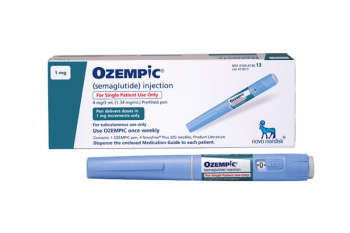
Drugs first approved to treat diabetes, which later became a top sellers to aid weight loss, are associated with reduced risk of obesity-related cancer.
Assistance from artificial intelligence can potenially increase the number of patients eligible for treatment for HER2-low breast cancers.
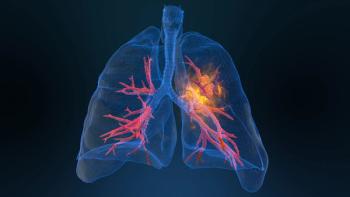
Patients with extensive-stage small cell lung cancer (SCLC) experienced clinically meaningful benefits with lurbinectedin plus atezolizumab vs atezolizumab in the phase 3 IMforte trial, according to findings being presented at the ASCO Annual Meeting.
ASCO and Google Cloud unveil an AI tool that streamlines access to clinical guidelines, enhancing decision-making for oncologists in patient care.
We recently spoke with Tycel Phillips, MD, associate professor, Division of Lymphoma, Department of Hematology & Hematopoietic Cell Transplantation, City of Hope, about his team’s interim analysis of their dose-escalation study of glofitamab against relapsed/refractory B-cell non-Hodgkin lymphoma.
An interview with Mark Lanasa, MD, PhD, BeiGene senior vice president and chief medical officer for solid tumors, conducted at ASCO 2024.