
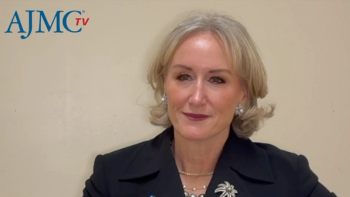
Alongside physician collaboration, patient advocacy is essential to ensure clinical trials and public policy reflect patient-centered outcomes.
Alongside physician collaboration, patient advocacy is essential to ensure clinical trials and public policy reflect patient-centered outcomes.
Patient–physician collaboration ensures trials reflect outcomes that matter to patients, according to Debra Patt, MD, PhD, MBA, MPH.

Yara Abdou, MD, emphasizes that addressing fertility, survivorship, and quality of life is key to improving outcomes for young patients with breast cancer.

Multidisciplinary care helps manage cardiac risks in breast cancer, allowing patients to continue treatment safely, says Eric H. Yang, MD.

Genetic and metabolic differences may increase aggressive early breast cancer risk in Latin American women with obesity, notes William Audeh, MD, MS.
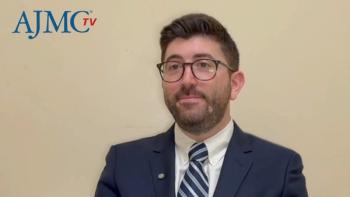
Smart pill bottles may boost adherence to oral breast cancer therapies through daily reminders and tracking, though cost and technology barriers remain, says Steven Manobianco, MD.
Findings from SABCS genetic differences between Latin American and non-Hispanic White women with breast cancer and h

Amrita Basu, PhD, says AI can transform health care by streamlining data, enhancing decision-making, and unlocking insights to improve patient outcomes.
Eric H. Yang, MD, emphasizes the need for collaboration and interventions to protect patients’ hearts during breast cancer treatment.

Molecular ESR1 changes may signal symptomatic progression before imaging in metastatic breast cancer, supporting camizestrant for improved quality of life.
New therapies and individualized care plans for menopausal women highlighted the most-read 2025 SABCS coverage.
The San Antonio Breast Cancer Symposium fosters collaboration among experts, enhancing research and treatment strategies for breast cancer's complex landscape.

Experts at SABCS highlighted the aggressive nature of breast cancer in young women, emphasizing tailored management and support strategies.

A novel phase 1 trial explores the safety and efficacy of targeted radiotherapy for leptomeningeal metastases in breast cancer patients.
Phase 1 data presented by Andrew Brenner, MD, PhD, showed RNL-186 improved survival, reduced symptoms, and demonstrated strong safety in patients with leptomeningeal metastases.
Eric H. Yang, MD, warns that lifetime cardiovascular risk for patients with breast cancer may exceed the general population as life expectancies grow, emphasizing the need for early intervention.
Debra Patt, MD, PhD, MBA, MPH, spoke at SABCS about the importance of patient-investigator collaboration to enhance the clinical trial process.

Genetic risk models and variant tools help to guide intensive interventions for high-risk carriers and personalized management for others.
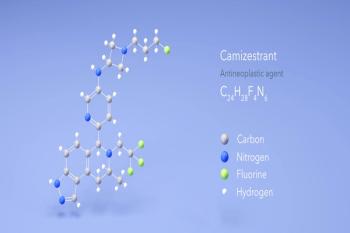
Camizestrant significantly improves progression-free survival in advanced breast cancer patients with ESR1 mutations.
Innovative smart pill bottles significantly enhance adherence to oral adjuvant endocrine therapy in early-stage breast cancer, noted Steven Manobianco, MD.

New findings from 2 abstracts presented at SABCS reveal T-DXd regimens enhance outcomes and tolerability for patients with high-risk HER2-positive early breast cancer.
Early fertility counseling is necessary for young patients before treatment limits options, said Yara Abdou, MD, of the University of North Carolina at Chapel Hill.

Treatment-induced menopause can occur with severe symptoms, making personalized management and careful therapy selection essential.

Research highlights the complex cognitive difficulties faced by breast cancer survivors, emphasizing the need for multifaceted treatment approaches, says Xiaotong Li, PhD, MS.

Experts at SABCS 2025 said alcohol consumption raises breast cancer risk, emphasizing the need for public education and clinical intervention.
At SABCS 2025, Amrita Basu, PhD, underscores that effective AI use for breast cancer care depends on human oversight.

Research at the San Antonio Breast Cancer Conference highlights T-DXd's superior efficacy and safety in HER2+ metastatic breast cancer, especially among diverse populations.

Innovative deep proteomic profiling reveals promising results from a blood-based test for early breast cancer, showcasing high sensitivity and specificity, explains Justin Drake, PhD.
Photopsia associated with camizestrant was mostly mild, nondisabling, and reversible, according to Adam Brufsky, MD, PhD, at SABCS 2025.

SABCS 2025 will spotlight new advances in breast cancer research while offering networking opportunities to foster connections among attendees.