
Shervin Badihian, MD, explains how digital health tools can help boost poststroke activity via reminders, goals, feedback, and gamification.
Shervin Badihian, MD, explains how digital health tools can help boost poststroke activity via reminders, goals, feedback, and gamification.

Clearer definitions, tailored programs and policies, and telestroke care could help close rural stroke care disparities.

Rising stroke rates in young adults highlight the need to manage blood pressure and cholesterol early and improve outcomes through better ICU care.

Deaf patients face major gaps in stroke care, from poor ASL health literacy to interpreter barriers, undermining discharge understanding and emergency response.

CHOICE2 found intraarterial alteplase after thrombectomy raised the odds of excellent outcomes following large-vessel occlusion ischemic stroke.
Experts at Maui Derm 2026 discuss the meeting’s focus on in-depth clinical education, practical patient care pearls, and interdisciplinary networking.

Maui Derm 2026 showcased groundbreaking advancements in dermatology, focusing on biologics, innovative treatments, and future technologies for skin health.

Discover how innovations in biology and engineering are transforming dermatology, featuring breakthroughs in laser therapies and precision medicine.

Vivian Shi, MD, discusses the evolving strategies for managing hidradenitis suppurativa, including biologics and combination therapies, at Maui Derm 2026.
Donna Culton, MD, University of North Carolina at Chapel Hill, outlines diagnosing autoimmune blistering diseases.

A Maui Derm 2026 session explored advancements in pediatric dermatology, emphasizing precision medicine and targeted therapies for children.

Speakers delved into innovative strategies in skin tumor management, focusing on chemotherapies, patient risk assessment, and evolving treatment protocols.

Philip Mease, MD, discusses the different treatment options now available for patients with psoriasis and psoriatic arthritis.

Jerry Shapiro, MD, discusses strategies for treating patients with scarring and nonscarring alopecia.

Experts discuss groundbreaking therapies in dermatology at Maui Derm 2026, addressing complex skin diseases and enhancing patient care with innovative treatments.

Paul Nghiem, MD, PhD, discusses individualized therapies and the evolving role of AI in improving outcomes for actinic keratosis and related skin conditions.
Lawrence Eichenfield, MD, outlines a patient-centered approach to atopic dermatitis, assessing disease history, life impact, and prior therapy use.

Daniel Siegel, MD, discusses a loophole he looks out for in ICD-10 coding and billing.

Maui Derm 2026 showcases groundbreaking clinical trial data and innovative strategies in dermatology.
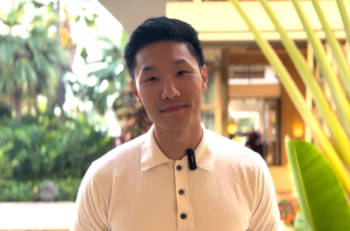
James Song, MD, discusses best practices and strategies for managing patients with psoriasis in 2026.
Alongside physician collaboration, patient advocacy is essential to ensure clinical trials and public policy reflect patient-centered outcomes.

New research presented at ASCO GI positions both agents as potent therapeutic options, with potential to redefine standard care for aggressive HER2-driven gastrointestinal cancers.

Presenters shared their personal highlights of attending ASCO GI 2026.
Patient–physician collaboration ensures trials reflect outcomes that matter to patients, according to Debra Patt, MD, PhD, MBA, MPH.

Dani Castillo, MD, sheds light on the evolving landscape of first-line therapy in advanced gastric cancer.

W. Kimryn Rathmell, MD, PhD, FASCO, champions the dyad model to enhance oncology care accessibility, bridging gaps between rural patients and clinical trials.
Yara Abdou, MD, emphasizes that addressing fertility, survivorship, and quality of life is key to improving outcomes for young patients with breast cancer.
Michael David Chuong, MD, discusses how SBRT has become a leading option for treating patients with colorectal liver metastases.
Yuman Fong, MD, discusses the evolution of colorectal liver metastases management from historical neglect to multimodal approaches.

The complex disparities in pancreatic cancer survival trends across demographics and regions highlight urgent needs for targeted interventions.