
K. "Vish" Viswanath, PhD, discusses the impact of misinformation on trust in health care, emphasizing the importance of reliable sources and patient-physician communication.
K. "Vish" Viswanath, PhD, discusses the impact of misinformation on trust in health care, emphasizing the importance of reliable sources and patient-physician communication.
An executive order signed on Tuesday, March 15, necessitated a change in plans for this panel discussion from the 2025 Community Oncology Conference, with the assembled experts, moderated by Ted Okon, MBA, executive director of the Community Oncology Alliance, speaking to how the order would reverberate across the community oncology space.
Mingyang Song, MBBS, ScD, expands upon the link between ultraprocessed foods and cancer risks, emphasizing the need for better dietary choices and further research.
Higher social capital is associated with fewer treatment delays among cervical cancer survivors, with notable racial disparities in reported social capital levels and access to timely care.

Higher health care needs, more financial barriers, and negative health care experiences defined the experiences of LGBTQ+ individuals in the year after giving birth.

To better treat adolescent and young adult (AYA) patients with various subtypes of Hodgkin and non-Hodgkin lymphomas (NHL), Andrew Evens, DO, speaks to the importance of primary care, screening access, and research.

Correlation to social drivers of health (SDOH) had an important correlation with polysubstance use.

Coverage of our peer-reviewed research and news reporting in the health care and mainstream press.
During National Asthma and Allergy Awareness Month, the high prevalence and costs of allergies and asthma in the US are evident, alongside disparities in treatment access and the potential impact of recent policy changes on environmental and public health efforts.

Duke Appiah, PhD, MPH, discusses maternal health disparities, emphasizing the impact of racial and ethnic factors on pregnancy outcomes for women with cancer.

Data come from patients with stage 3 melanoma enrolled in a phase 3 randomized trial and showed that detection of circulating tumor DNA (ctDNA) prior to adjuvant systemic therapy can predict risk of early recurrence.
As skin cancer rates continue to rise, here are 5 key facts every health care professional should know to improve prevention, early detection, and patient outcomes.

Experts at the Community Oncology Conference discuss innovative patient navigation programs, emphasizing technology's role and the importance of human connection in cancer care.
Participants in the CLL11 trial and a smaller group of patients followed after study completion showed improved overall survival with obinutuzumab and chlorambucil (G-Clb) compared with chemotherapy plus rituximab or chemotherapy alone for chronic lymphocytic leukemia (CLL).

Lalan Wilfong, MD, of Thyme Care and Texas Oncology, discusses a session on circulating tumor DNA (ctDNA) and shares insight as chair of the Community Oncology Alliance (COA) Payer Reform Committee.
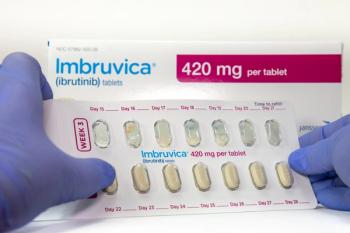
The findings come from a review of 4 randomized clinical trials, which found that statin use at the start of treatment was associated with improved cancer-related survival, overall survival, and progression-free survival.
Kate Baker, MD, MMHC, medical director of value-based care at Tennessee Oncology, talks about innovations in cancer care highlighted at the Community Oncology Conference.

Self-paying patients can now obtain semaglutide at a lower cost through trusted telehealth providers.
Kimlin Tam Ashing, PhD, explores how strengthening community engagement can enhance cancer research and inform more effective policy development.
At the 2025 Community Oncology Conference, Nini Wu, MD, Navista, shares how AI can transform community oncology.

Increased levels of human leukocyte antigen G (HLA-G) were associated with inferior overall survival.
Duke Appiah, PhD, MPH, explores racial disparities in maternal health outcomes for pregnant women with cancer, revealing critical insights for informed decision-making.

Experts champion medically integrated care and oncology optimized distribution models as vital strategies to improve outcomes, streamline access, and reduce costs for patients.
Because clinical trials do not mimic the real-world application of multiple myeloma treatments, Ajai Chari, MD, discussed the variety of patient factors clinicians should consider in their practice.

Approximately 1 million Aetna members will need new coverage with the announcement that CVS will be leaving the Affordable Care Act (ACA) individual exchange business next year.

Patients with neovascular age-related macular degeneration (nAMD) experienced improvements in central macular thickness and subretinal and intraretinal fluid after switching.

Experts urge for technology-driven, collaborative solutions as patients shoulder a growing burden of prescription costs.

The results offer some of the first glimpses into real-world findings of the Janus kinase inhibitor in patients with myelofibrosis (MF) and anemia.

Experts emphasize the need for enhanced clinical trial infrastructure in community oncology to ensure equitable access to innovative therapies for all patients.

Infection was a leading cause of death in lower-risk myelodysplastic syndromes (MDS), highlighting the need for vigilant monitoring and preventive strategies.