

Male sex, older age, lower socioeconomic status, higher comorbidity score, and having an older or male rheumatologist were associated with the reduced likelihood of continuing with rheumatoid arthritis (RA) treatment.
Male sex, older age, lower socioeconomic status, higher comorbidity score, and having an older or male rheumatologist were associated with the reduced likelihood of continuing with rheumatoid arthritis (RA) treatment.

The US Preventive Services Task Force (USPSTF) found after a reaffirmation process that there was no net benefit to screening asymptomatic adults for chronic obstructive pulmonary disease (COPD).

COVID-19–related hospitalizations are up 17% week over week; an estimated 5 to 14 million Americans could lose their Medicaid coverage this year or next year; the CDC is investigating unexplained cases of severe hepatitis in children.

In a session at the 2022 Asembia Specialty Pharmacy Summit, Jayne Hornung, chief clinical officer at Managed Markets Insights & Technology (MMIT), outlined factors driving payer hesitation when it comes to covering prescription digital therapeutics.

Marking Mental Health Awareness month, stakeholders involved in the delivery of behavioral health care services discuss current efforts underway—spearheaded by the novel 988 emergency hotline—to address the growing mental health crisis.

The study of constructed αROR1‐CAR T cells showed an increase of PD-L1 expression when exposed to elevated pressure, driving resistance to CAR T cell-mediated cytotoxicity. However, the findings also suggest that adding PD-1/PD-L1 inhibitors to CAR T-cell therapy could help address this.

More experienced dermatopathologists were less likely to see overdiagnosis as a significant public health problem, a new survey showed.

Black, Asian, and Hispanic adults in the United States were found to have an increased risk for developing diabetes at lower weights and younger ages compared with White Americans, suggesting that screening recommendations for the disease should be altered to reflect this difference.

A recent study sought to address what is known about proton pump inhibitors (PPIs) as a therapy for eosinophilic esophagitis and long-term outcomes in patients who respond to them as a way to guide treatment decisions.

The study highlights differences between patients with systemic lupus erythematosus (SLE) and healthy controls, potentially shedding light on the disease’s underlying mechanisms.

A cross-sectional study found that areas with a high number of eye care clinicians had a lower prevalence of vision impairment.

A new study incorporated use of readings from continuous glucose monitors (CGMs) to establish reference sensor glucose ranges among healthy nondiabetic children aged 1 to 6 years.

A subsequent analysis suggested, however, that segmentectomy was preferable to lobectomy in many cases.

Katharine Rimes, PharmD, and John Bosso, MD, discussed updates in management of chronic rhinosinusitis with nasal polyps at the 2022 Asembia Specialty Pharmacy Summit.

The February drop out of the top 5 coincided with a sharp decline in new cases of COVID-19, as reported by the CDC, following the January peak of the wave of cases related to the Omicron variant.

In this study, investigators from Pennsylvania and New York evaluated outcomes among patients following their hospitalization for heart failure (HF) who did or did not participate in a remote monitoring program that included financial incentives for adherence.

US Senate to vote this week on legislation seeking to codify abortion rights into law; hospitals aiming to raise treatment prices in response to increasing nurse salaries; shortage of infant formula worsening nationwide.
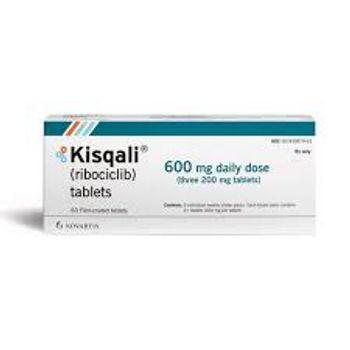
Officials from Novartis emphasized that the ribociclib-fulvestrant combination is the only one in the CDK4/6 inhibitor class to demonstrate an overall survival benefit when used in a first-line setting among postmenopausal women.

Patients with acute myeloid leukemia (AML) who have undergone intensive chemotherapy are at a very high risk for invasive fungal disease, and a changing treatment landscape warrants further research on drug-drug interactions and outcomes.

Anna Marzec-Bogusławska, MD, MPH, managing director, National AIDS Center, Warsaw, Poland, discusses how stigma and discrimination permeated the beginning of the HIV/AIDS epidemic the country in the early 1980s and ways that advocates stepped up to overcome peoples’ fears.

The findings, say the researchers, provide a basis for future exploration of the activity of energy metabolism pathways in clonal plasma cells of patients newly diagnosed with the disease.

Good telehealth is not about the technology, but rather the quality of service from the licensed professional, said Geoffrey Boyce, CEO of Array Behavioral Care.

A study found that patients with end stage renal/kidney disease (ESRD) who undergo left ventricular assist device (LVAD) implantation had higher 1-year mortality compared with patients with chronic kidney disease.

Preventing health-care–associated infections in acute-care hospitals is crucial for patient well-being and health care cost burden, and comprehensive guidelines based on current research are an important aspect of prevention.

UPMC Health Plan, RxAnte, and Mosaic Pharmacy Services outlined how they are operating a value-based pharmacy care management program within Community HealthChoices, Pennsylvania’s managed Medicaid long-term services and supports (LTSS) program, at a recent conference.

Drugs currently marketed for pulmonary arterial hypertension have been able to extend the lives of patients but have shown limitations in their ability to prevent or reverse the disease. A novel combination approach may hold promise in future treatments.

According to the researchers of this new study, the biomarker may have potential for use with clinical scores in treatment decisions or in clinical trials that focus on hidradenitis suppurativa (HS).

Next-generation sequencing identified different molecular profiles of pediatric and adult sarcomas among Chinese patients.

The researchers highlighted a need for the detection of more relevant markers and guidance on how to treat adverse events (AEs), the types and severity of which vary based on disease type.

Subjective associations of poor sleep are known to be linked with worse health-related quality of life in Parkinson disease, but correlating objective measures are harder to find.