Migraineurs’ brains experience disrupted functional connectivity (FC) between subregions in the sensorimotor areas and cortex, according to a study published in The Journal of Headache and Pain.

Migraineurs’ brains experience disrupted functional connectivity (FC) between subregions in the sensorimotor areas and cortex, according to a study published in The Journal of Headache and Pain.

In the first report of its kind, researchers examined the combined effect of liraglutide and propranolol on the hearts of patients with both type 2 diabetes and cirrhosis.

Refractive evaluation should be considered for working-age adults with eye disease and reduced visual acuity, especially if they are new to seeking care for low vision, according to a study published in JAMA Ophthalmology.

Cognitive behavioral therapy for insomnia was found to reduce severity of obstructive sleep apnea (OSA) by 15% in patients with comorbid insomnia and OSA, according to study findings.

Trastuzumab deruxtecan, an antibody–drug conjugate (ADC) marketed as Enhertu, has been granted Orphan Drug Designation (ODD) for the treatment of gastric cancer, including gastroesophageal junction cancer.

A majority of women younger than 45 years faced employment and insurance coverage difficulties following treatment for early stage breast cancer, with 35% fearing loss of health insurance coverage if they left their current job during treatment—despite wanting to continue working.

Ruxolitinib was found to be more cost-effective than the best available therapy (BAT) when the willingness-to-pay threshold for payers was at $150,000 and applied to patients with hydroxyurea resistant/intolerant polycythemia vera (PV) without splenomegaly, according to a new study.

Findings from the American Society for Radiation Oncology (ASTRO) highlight the growing financial strain at freestanding clinics, including those that say they will lose half their annual revenue.

Psoriatic arthritis and psoriasis both place a significant economic burden on patients, but a new analysis shows the burden on people with the former is significantly higher.

Samsung Bioepis announced positiive trial results for its ranibizumab biosimilar (SB11).

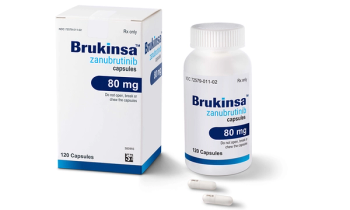
The bruton tyrosine kinase inhibitor zanubrutinib was shown to generate high response rates in a new study of patients with relapsed/refractory chronic lymphocytic leukemia/small lymphocytic lymphoma.

Jerry Bagel, MD, director of the Psoriasis Treatment Center of New Jersey, sheds light on the clinical utility of newer classes of biologic agents in the management of psoriasis and psoriatic arthritis.

The American Journal of Managed Care® discussed nationwide, state level takeaways of Sharecare's Flatten the Curve survey with Elizabeth Colyer, senior vice president of Community Well-Being Index at Sharecare.

Compared with use of originator products, use of biosimilars in the United States is apparently still not a priority of commercial health plans, according to the results of a recent JAMA study.

The authors reviewed existing evidence for filtration efficiency of cloth masks vs medical masks, and they found that cloth masks fared surprisingly well. Layers matter, as does the material used.

A patient’s sex, disease duration, and residence were the most common sociodemographic factors shown to affect illness acceptance, life satisfaction, sense of stigmatization, and quality of life among those who have psoriasis, according to the results of a recent study.

Schistosomiasis is the world’s second deadliest parasitic disease, and it can be linked to contaminated freshwater, with a majority of infections resulting from 3 types of bacteria: Schistosoma mansoni, S haematobium, or S japonicum. It is also a proposed factor for increasing the risk of HIV-1 infection in women.

A new analysis found use of hydroxychloroquine in patients with coronavirus disease 2019 (COVID-19) is associated with increased mortality rates; the Government Accountability Office (GAO) appointed a new chair of the Medicare Payment Advisory Commission (MedPAC); nearly 80% of Americans live in counties where COVID-19 is spreading widely.

Coverage of our peer-reviewed research and news reporting in the health care and mainstream press.

This week, the top managed care news included President Trump's use of hydroxychloroquine; early data on a COVID-19 vaccine trial; an inside look at physician burnout amid the pandemic.

Cancer Care Specialists of Illinois was able to reduce its median total drug spend by a notable 13.5%—$250,000 per medical oncologist—versus other practices enrolled in the Oncology Care Model, between the first quarters of 2017 and 2019, through the use of evidence-based clinical pathways.

Glucocorticoid-refractory acute graft-versus-host disease (GVHD) develops in approximately 50% of allogeneic stem-cell recipients and is a major cause of death.

Being uninsured carries with it a host of adverse health consequences, including more advanced stages of disease when seeing a physician, avoidable deaths, and not receiving lifesaving treatments for conditions such as heart failure.

A new survey highlights a nationwide lack of personal protective equipment (PPE); a model shows how earlier social distancing guidelines could have spared thousands from coronavirus disease 2019 (COVID-19); parents fear consequences of online schooling for their special needs children.

Under the agreement, BARDA will spend $1.2 billion on to support development and manufacturing of the vaccine, first conceived at the University of Oxford.

Five metabolic inhibitors appear to have strong antiproliferative effects on acute myeloid leukemia (AML), according to a new study.

Persons 50 years and older accounted for 3.6 million individuals living with HIV in 2013, and this number almost doubled to an estimated 6.7 million by 2017. Not all, however, are on antiretroviral therapy (ART).

A deep learning model appears to be useful in classifying images to provide corneal information and preliminarily identify corneas at risk for refractive surgery, according to a study published in JAMA Ophthalmology.

Research shows a strong and consistent association between pregnancy loss and type 2 diabetes (T2D), and the risk of developing T2D increases with a higher number of pregnancy losses, according to a study published in Diabetologia.

The therapy is for patients with deleterious or suspected deleterious germline somatic homologous recombination repair (HRR) gene–mutated cancer or for those whose cancer has progressed after prior treatment with enzalutamide or abiraterone.